
Optical Design for Manufacturing optimizes your optical components and assemblies for efficient production.


Optical Design for Manufacturing optimizes your optical components and assemblies for efficient production.

Light manipulation in laser systems demands precision micro prisms for optimal performance in any optical system.
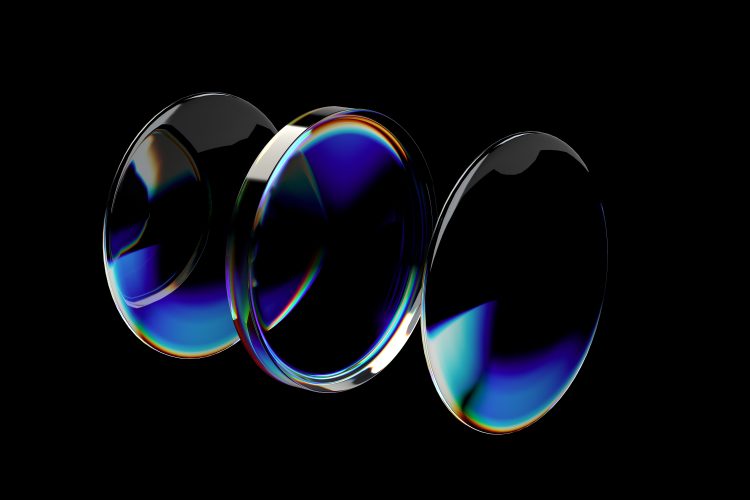
Reverse optical engineering, including lens reverse engineering, entails comprehending the functionality of existing optical components or systems through examination.
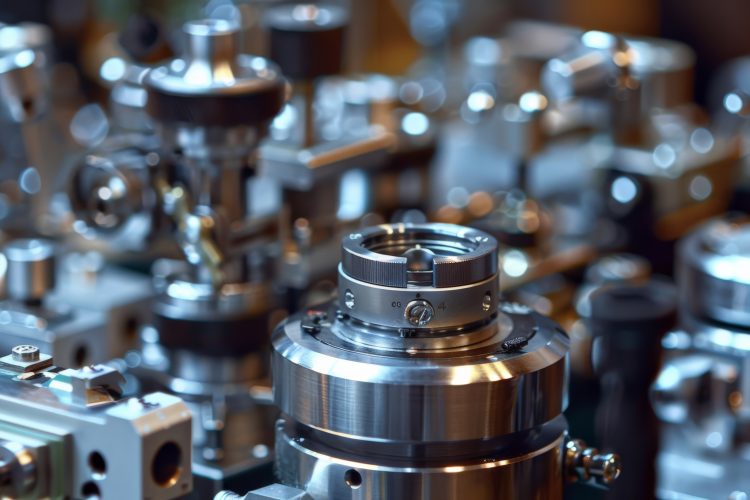
Reverse optical engineering analyzes existing optical systems to recreate or improve them without original designs. It involves testing, disassembly, data capture, and redesign to achieve accurate, cost-effective lens replication.

Infinite Conjugate Long Working Distance Microscope Objectives offer high magnification and more flexibility than finite conjugate systems.
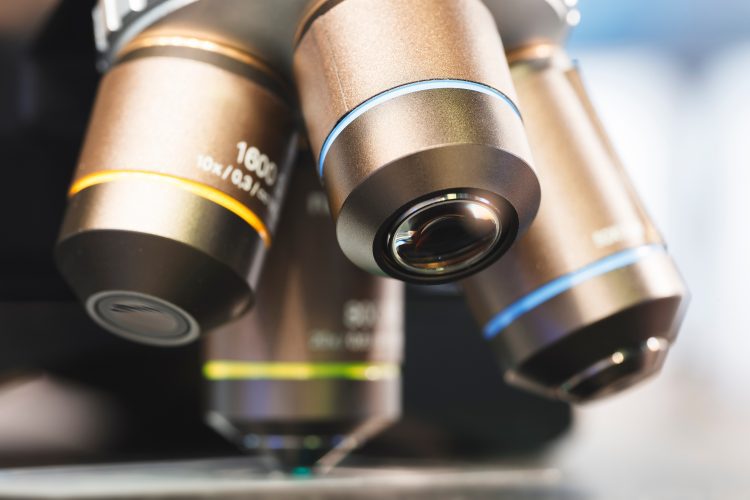
In the realm of optical instrument design, reflective microscope objectives represent a groundbreaking approach, conquering chromatic aberration and achieving diffraction-limited performance across a vast wavelength range.
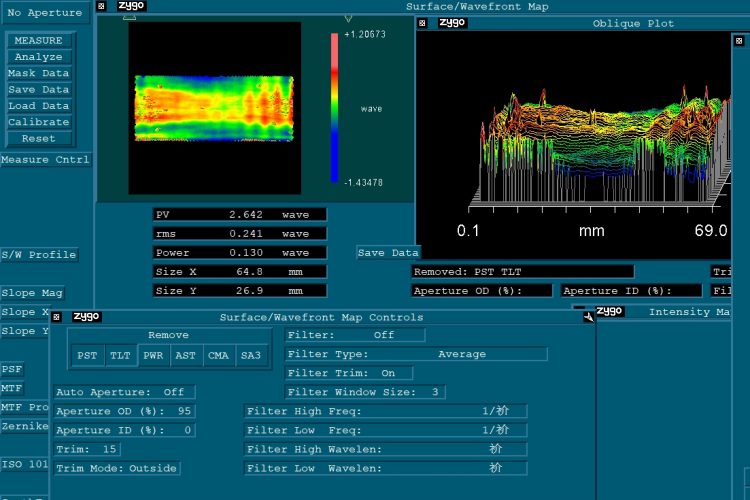
Freeform optics design enhances FOV and functionality compared to traditional optics, but requires advanced manufacturing techniques.

Optics for LIDAR and sensing are far more affordable today than they were just ten years ago, and the technology is currently accessible to almost anyone.
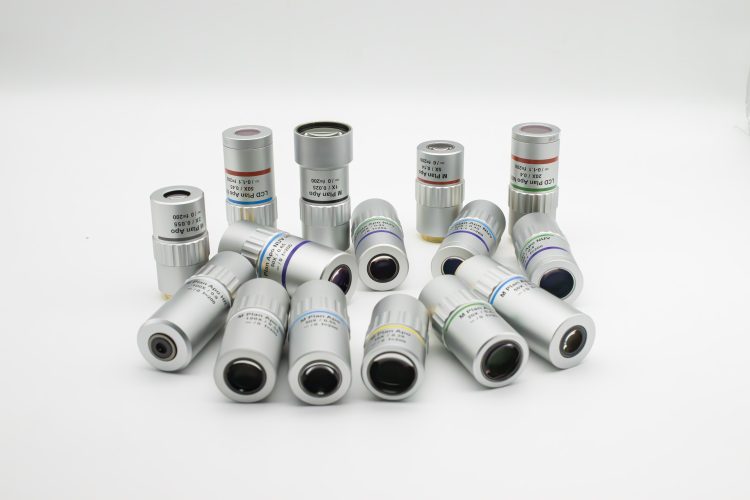
Microscope objective lenses are vital optical elements in microscopy; they collect and focus light from a specimen to form a magnified image. Performance is defined by magnification, numerical aperture, and aberration correction, enabling high-resolution imaging for scientific and industrial applications.
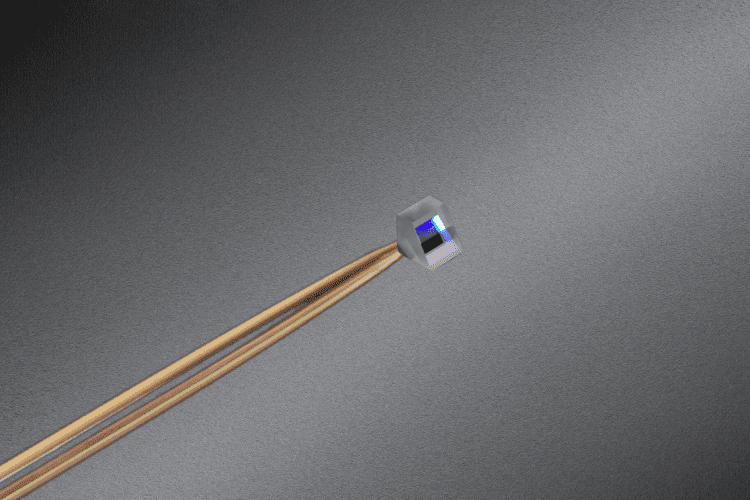
Micro prisms are designed with precision to handle specific wavelengths and coatings, optimizing performance in any optical system.