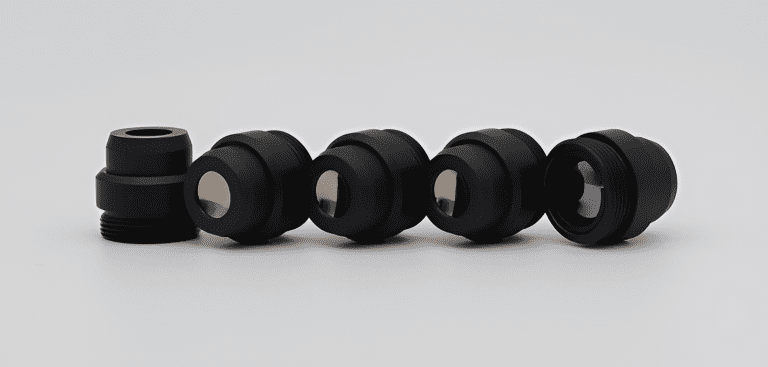
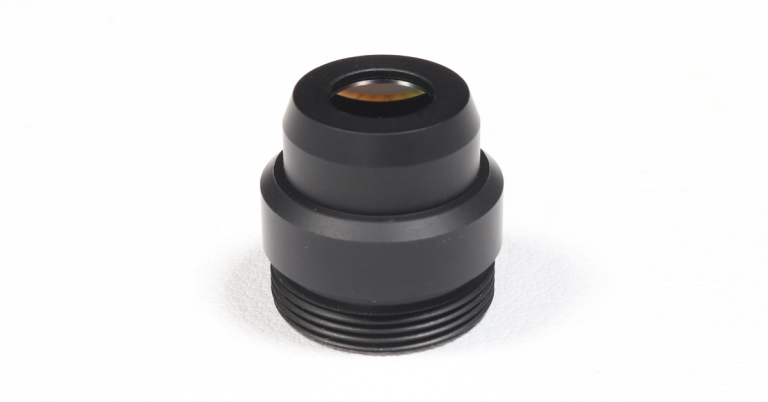
Passive athermal Germanium LWIR lenses for -40°C to +80°C thermal imaging in defense and harsh industrial environments.
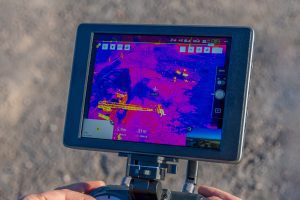
Ideal for surveillance payloads, targeting systems, and rugged industrial monitoring where active focus control is not an option.
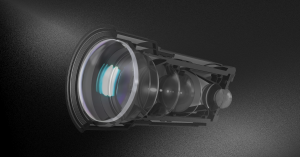
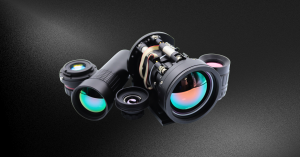
Avantier designs and manufactures passive athermal Germanium LWIR lenses optimized for stable thermal imaging in demanding environments. Operating in the 8–12 µm band, these specialized lenses are part of our broader LWIR lens portfolio and build on our extensive experience in Germanium lenses for thermal imaging. Our optical assemblies maintain focus stability from -40°C to +80°C without active refocusing mechanisms, making them well suited to rugged defense and industrial systems.
What is a passive athermal Germanium LWIR lens?
A passive athermal Germanium LWIR lens is a long‑wave infrared lens assembly that maintains focus across a wide temperature range without active mechanisms such as heaters or motorized refocusing. It uses Germanium optics and carefully matched mechanical materials so changes in refractive index and mechanical expansion balance each other over temperatures like -40 °C to +80 °C. These designs are especially valuable in defense and outdoor systems where power, size, or reliability constraints make active focus compensation impractical.
When should I use Germanium vs other LWIR materials?
Germanium is typically the best choice when you need maximum durability, high refractive index for compact designs, and strong transmission in the 8–12 µm band for rugged LWIR imaging. In contrast, chalcogenide optics can be preferable for lightweight, molded, or highly athermalized designs, and ZnSe is well‑suited to applications that demand especially stable focusing over temperature changes. For systems that combine different IR bands or have strict SWaP requirements, your material choice often blends Germanium LWIR lenses with chalcogenide glass elements to balance performance, weight, and cost.
Key Specs for Passive Athermal Germanium LWIR Lenses
Wavelength: 8–12 µm long‑wave infrared
Material: Germanium, passive athermal design
Thermal range: -40 °C to +80 °C focus stability
Use cases: Defense, surveillance, UAV, rugged industrial monitoring
Germanium LWIR Lenses
Why Germanium for LWIR Systems?
Germanium remains a leading material for rugged LWIR optics due to:
High refractive index for compact optical designs
Knoop hardness: 780–900 kg/mm²
Excellent chemical resistance
Strong transmission across the 8–12 µm spectrum
These properties make Germanium ideal for defense, surveillance, UAV payloads, and harsh industrial environments.
Germanium LWIR Lens
Passive Athermal Stability
Thermal drift can degrade LWIR imaging performance. Avantier applies precision opto-mechanical co-design to balance thermal expansion and refractive index variation, achieving passive focus stability across wide temperature gradients.
Our athermal Germanium LWIR lenses minimize defocus without heaters or motorized compensation, improving reliability and reducing system complexity.
While Germanium is widely used for ruggedized LWIR applications, Avantier also supports passive athermal designs using chalcogenide glass materials when weight reduction or molded aspheric performance is required.
Material selection is determined by environmental exposure, system size constraints, and thermal compensation requirements.
Request a Passive Athermal Germanium LWIR Lens
To accelerate evaluation, please include:
Detector format & pixel pitch
Operating temperature range
Target focal length / F-number
Environmental requirements
Estimated annual volume
If you’d like to understand how these parameters tie into full athermal optical system performance, see our Athermal Optical Systems for Space & Defense guide. Then contact Avantier to discuss your passive athermal Germanium LWIR lens requirements.