From mission requirements to manufacturable space optical systems

Avantier supports the engineering of space optical systems from early concept definition through design, analysis, manufacturability review, assembly planning, metrology, and verification.

Our role is to help customers translate demanding optical and mission requirements into systems that can be built, aligned, tested, and delivered with confidence.

Engineering Scope at a Glance

AreaSupport ScopeTypical Outputs
Optical engineeringOptical design, optical analysis, tolerance analysis, stray light analysisOptical layout, performance analysis, tolerance budget, trade study
Thermal / mechanical engineeringThermal analysis, mechanical design, structural analysis, opto-mechanical designThermal model, structural concept, interface review, design recommendations
Payload engineeringOptical payload architecture, subsystem definition, fully integrated optical payload supportPayload concept, subsystem architecture, integration plan
ManufacturabilityDesign-to-build review, production feasibility, risk reductionManufacturability assessment, design recommendations, fabrication strategy
Assembly and alignmentAlignment planning, assembly sequence, fixture strategyAlignment plan, assembly flow, fixture requirements
Metrology and verificationInterferometry, MTF, wavefront, surface form, inspection, environmental testing supportTest plan, verification matrix, acceptance criteria
DocumentationTechnical documentation, RFQ support, design review materialsEngineering report, requirement review, technical package

Typical Requirements We Support

Space optical projects often require early engineering trade-offs across optical performance, mechanical constraints, thermal behavior, manufacturability, alignment, and verification.

Requirement CategoryExample Parameters
Optical aperture50 mm to 500 mm 
Wavelength range400 nm to 1600 nm 
Field of view1° to 10° 
Wavefront errorλ/10 to λ/50 RMS 
MTF requirement> 20% @ 156 lp/mm 
Surface accuracyλ/10 to λ/100 RMS 
Alignment tolerance10 µm / 5 arcsec 
Payload envelope150 × 150 × 200 mm 
Mass target3 kg to 150 kg 
Thermal environment30°C to +60°C 
Structural / launch constraintsshock, vibration, acceleration levels
Pointing / stability requirement1 µrad / 0.5 arcsec 
Verification requirementinspection, MTF, WFE, environmental testing, acceptance testing
Program phaseConcept, engineering model, breadboard, prototype, production-ready hardware

Optical Design and Analysis 

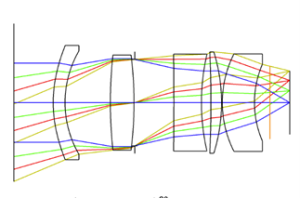
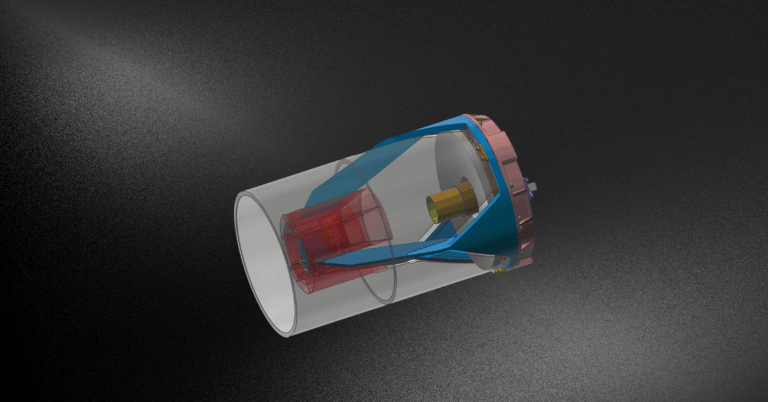
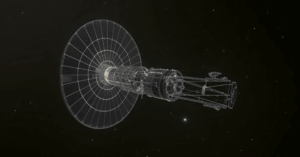
We support optical design and analysis for space optical systems, telescope systems, optical payloads, laser communication terminals, and precision optical assemblies.

Supported optical architectures and design approaches may include:

  • Ritchey–Chrétien telescope systems
  • Classical Cassegrain systems
  • Refractive optical systems
  • Off-axis reflective telescopes
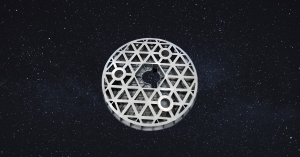
  • SiC-based reflective telescope systems
  • Custom optical architectures for mission-specific requirements
  • Detector matching support
  • Broadband and multispectral optical design
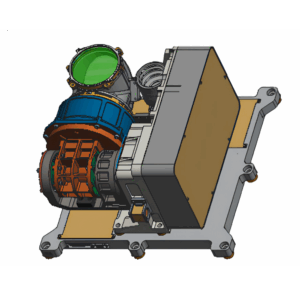
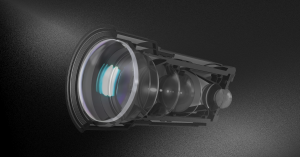
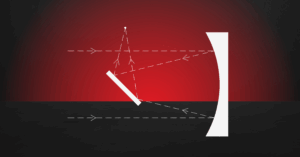
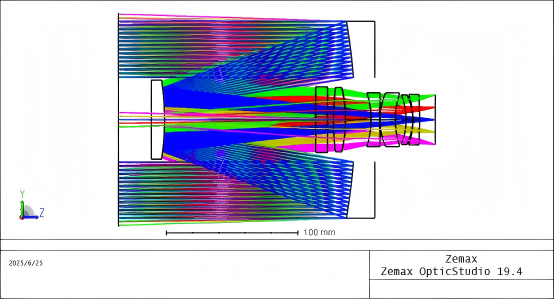
Optical System Structure Diagram

Thermal, Mechanical, and Structural Engineering 

Thermo-optical and opto-mechanical considerations may include:

  • Thermal expansion matching
  • Focus stability across operating temperature ranges
  • Temperature gradient effects
  • Passive athermalization
  • Material selection
  • Thermal-structural-optical performance coupling
  • Optical mount design
  • Lightweight structural design
  • Finite element analysis / FEA
  • Vibration and shock assessment
  • Structural stiffness optimization
  • Manufacturing-ready mechanical design

Optical Payload Architecture and Development

Avantier provides end-to-end engineering support for optical payload development, from early architecture definition to fully integrated optical payload delivery.

Key support areas include:

  • Payload architecture
  • Optical subsystem definition
  • Optical / mechanical / thermal trade studies
  • Payload envelope and interface review
  • Integration planning
  • Alignment planning
  • Metrology planning
  • Test and verification planning
  • Fully integrated optical payload support

Optical payload applications may include:

  • Earth observation
  • Space situational awareness / SSA
  • Scientific and exploration missions
  • Technology demonstration payloads
  • CubeSat, microsatellite, and small satellite platforms

Typical outputs:

Project StageEngineering Output
Concept phaseRequirement review, feasibility assessment, architecture options
Design phaseOptical / mechanical / thermal design package
Pre-build phaseManufacturability review, alignment strategy, test plan
Integration phaseAssembly support, alignment support, verification support
Delivery phaseInspection report, validation data, acceptance documentation

Typical optical payload parameters may include:

ParameterPlaceholder
Aperture range50 mm – 500 mm 
Focal length range200 mm – 1000 mm 
Spectral coverage400 nm – 1600 nm 
Payload mass3 kg – 150 kg 
Supported satellite classes6U CubeSat – 500 kg satellite platforms
Operating temperature-30°C to +60°C 

Design-to-Build Engineering

Our engineering process is grounded in manufacturability. Avantier helps customers evaluate whether a space optical concept can be manufactured, assembled, aligned, tested, and delivered within program constraints.

Engineering QuestionWhat We Evaluate
Can the optical design be manufactured?Surface form, material, coating, tolerance sensitivity, production feasibility
Can the system be assembled?Assembly sequence, mechanical access, bonding / mounting strategy, interface design
Can it be aligned?Alignment datum, tolerance stack-up, adjustment mechanism, fixture concept
Can it be measured?Interferometry, MTF, wavefront, surface form, inspection method
Can it survive the intended environment?Thermal range, structural constraints, environmental testing support
Can it be delivered within program constraints?Risk areas, documentation, production readiness, supplier coordination

Design-to-build support may include:

  • Manufacturability review
  • Tolerance budget review
  • Assembly and alignment concept
  • Manufacturing drawing support
  • Prototype development support
  • Engineering model support
  • Assembly readiness review
  • Test fixture strategy
  • Metrology planning
  • Risk reduction before fabrication
  • Documentation for RFQ or design review

Application Areas

ApplicationEngineering SupportRelated Page
Space Optical SystemsOptical design, opto-mechanical design, manufacturability, verificationSpace Optical Systems
Telescope SystemsAperture, wavelength, field of view, alignment, payload envelope, verificationTelescope Systems
Optical PayloadsPayload architecture, subsystem definition, integration, metrology, fully integrated payload supportHigh-Performance Optical Payloads for CubeSat & SmallSat Platforms
Laser Communication TerminalsOptical terminal design, alignment-sensitive hardware, thermal / mechanical stability, verificationLaser Communication Terminals
Star Tracker SystemsCompact optical design, alignment, mechanical stability, validationStar Tracker Systems
Precision Optical AssembliesComponent integration, alignment, inspection, test planningOptical Assemblies
Engineering Models / Breadboards / PrototypesConcept validation, performance testing, design iterationPrototyping / Engineering Models

Laser Communication Terminals

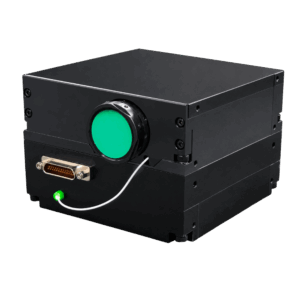
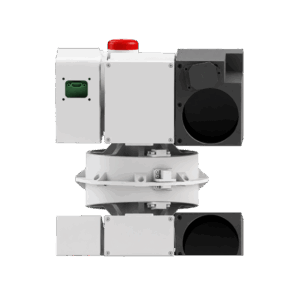
Laser Communication Terminals are a key application area of our Space Engineering capabilities. We provide terminal solutions supported by optical design, opto-mechanical engineering, precision alignment, thermal and structural considerations, manufacturability, metrology, and verification.

ArchitectureMission TypeTRLKey Advantage
Cube-TypeSmallsat / Constellation8–9Compact SWaP
T-ShapedOperational LEO Missions8–9Stability
P-ShapedHigh-Performance ISL6–8Advanced Capability
Engineering support may include:
  • Optical terminal design
  • Optical communication payload engineering
  • Alignment-sensitive optical hardware
  • Opto-mechanical design
  • Thermal and structural review
  • Manufacturability review
  • Metrology and verification planning
  • Integration support

Metrology and Verification

Metrology and verification are considered early in the engineering process so that space optical systems are not only designed to perform, but also possible to measure, validate, and accept.

Verification AreaMethods / OutputsPlaceholder Criteria
Surface formInterferometry, surface measurementλ/10, 10 nm RMS 
WavefrontWavefront characterizationλ/10 RMS, λ/4 
Imaging performanceMTF testing>20% @ 156 lp/mm 
AlignmentAlignment measurement, datum verification5 µm, 2 arcsec 
InspectionDimensional inspection, visual inspection, process verification[acceptance criteria]
Environmental testing supportThermal, vibration, shock support as applicable[test standard / range / level]
Final validationPerformance validation, acceptance testing[pass / fail criteria]

Metrology support may include:

  • Interferometry
  • Surface form measurement
  • MTF testing
  • Wavefront characterization
  • Alignment measurement
  • Inspection
  • Environmental testing support
  • Performance validation
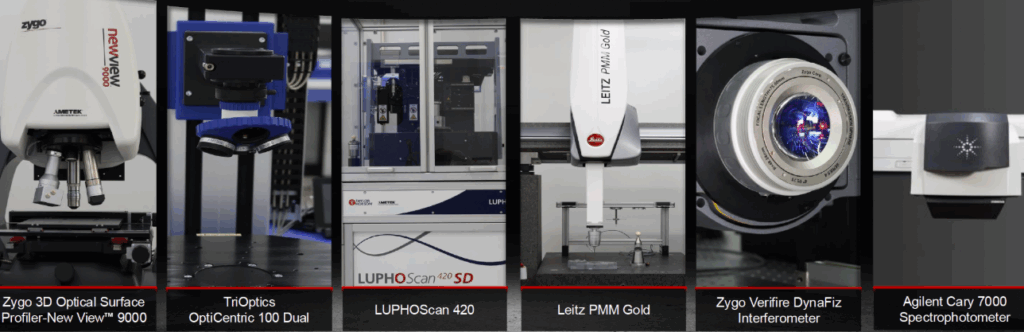
Metrology equipments in the engineering process

Request Engineering Support

If you are preparing an RFQ or defining requirements for a space optical system, our engineering team can help review the technical path from concept to manufacturable hardware.

To support an effective discussion, please share any available mission requirements, optical specifications, telescope aperture, wavelength range, payload envelope, thermal constraints, target application, schedule expectations, or verification requirements.

Request engineering support from our Space Engineering team.

FAQ

Q1. What types of space optical systems do you support?

We support engineering for space optical systems, telescope systems, optical payloads, laser communication terminals, star tracker systems, precision optical assemblies, engineering models, breadboards, and prototypes.

Q2. Can you support early concept-stage projects?

Yes. We can support early requirement definition, feasibility review, optical specification review, aperture and wavelength trade studies, payload envelope review, manufacturability assessment, and verification planning.

Q3. Do you only provide engineering analysis, or can you also support manufacturing?

We support design-to-build engineering. Our work connects optical design, thermal and mechanical analysis, manufacturability, assembly, alignment, metrology, and verification to help customers move toward buildable hardware.

Q4. Can you deliver fully integrated optical payloads?

Yes. We provide end-to-end engineering support for optical payload development, including payload architecture, subsystem definition, integration planning, alignment, metrology, verification, and delivery of fully integrated optical payloads.

Q5. What information should we prepare before requesting engineering support?

Useful information includes mission requirements, optical specifications, telescope aperture, wavelength range, payload envelope, thermal constraints, target application, schedule expectations, and verification requirements.

Recommended Resources

WE CAN HELP YOU!

Contact us NOW for sales & expert advice.