

Optical Communication in Space: From Free-Space Lasers to Deep-Space Data Links
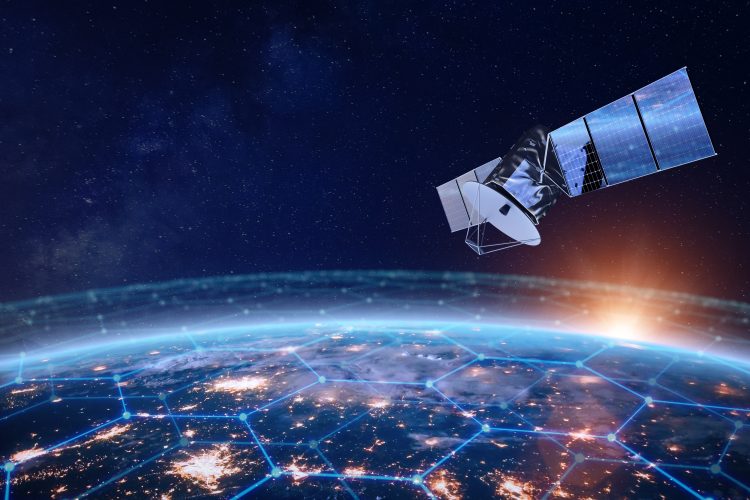
Optical communication in space represents a transformative shift from traditional radio frequency (RF) transmission to high-speed, laser-based data exchange. Using light instead of radio waves, these systems can send vast amounts of data across interplanetary distances with unparalleled efficiency.
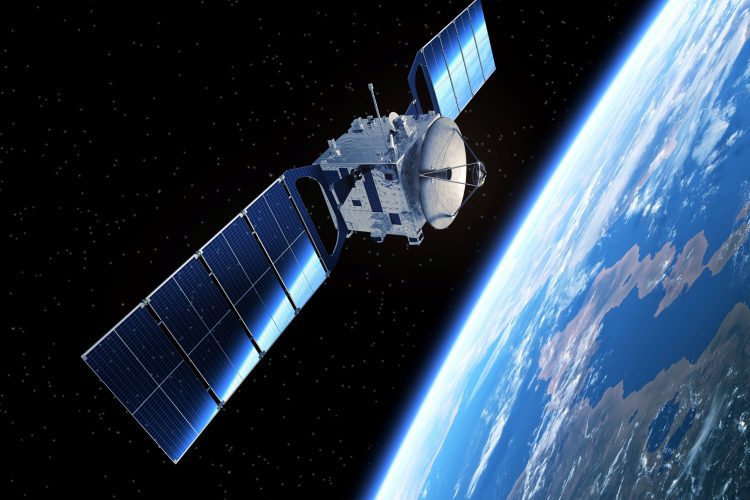
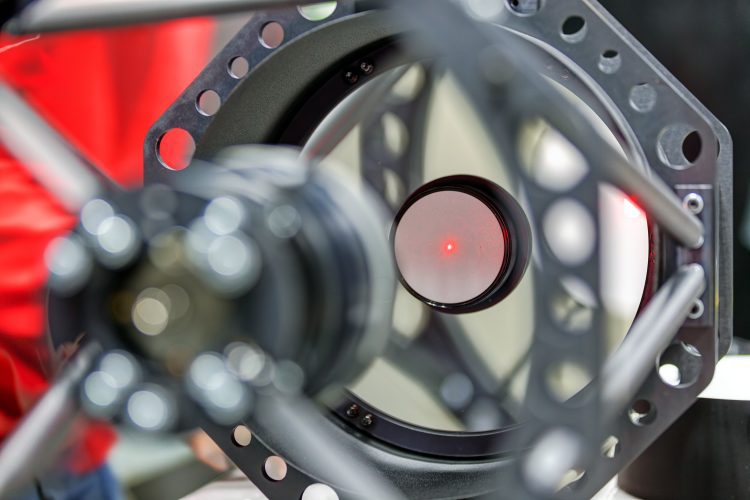
Collectively referred to as Free-Space Optical Communication (FSOC), this technology uses modulated laser or LED beams to transmit digital information wirelessly through open space. Within this broad category, space-based laser communications (often called lasercomm) focus on orbital and satellite applications, while Deep Space Optical Communication (DSOC) pushes the frontier even farther—to interplanetary distances.