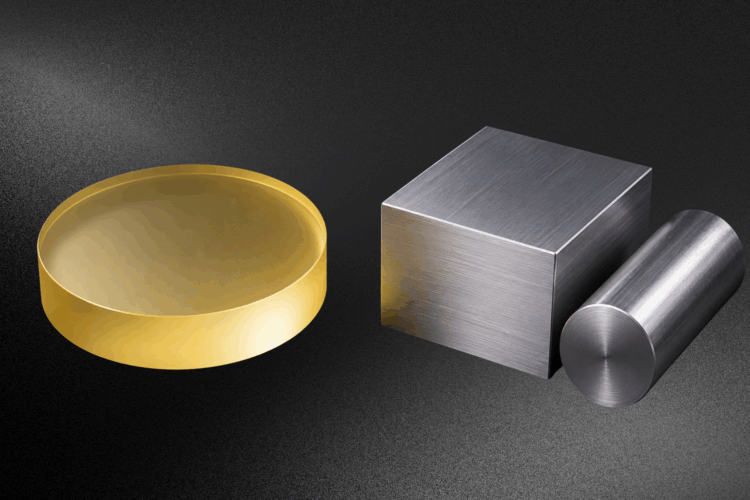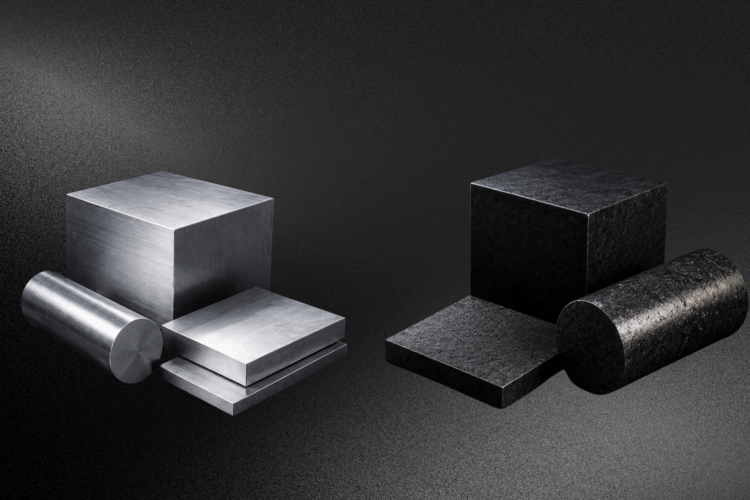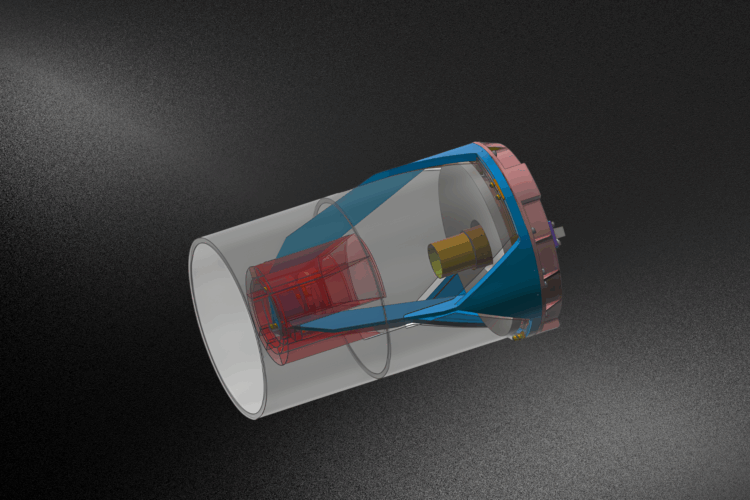
Material Selection for Space Optics: Zerodur vs. Aluminum

Key Takeaways Material selection between Zerodur and aluminum is driven by application requirements rather than material hierarchy.  Zerodur provides near-zero thermal expansion and exceptional dimensional stability, making it suitable for precision optical systems.  Aluminum offers cost efficiency, lightweight integration, and rapid manufacturability, making it ideal for scalable and time-sensitive missions.  The optimal choice depends on […]

Read more
Material Selection for Space Optics: Aluminum vs. Silicon Carbide (SiC)

Key takeaways Material selection in space optics is application-driven, not hierarchical.  Aluminum offers cost efficiency, fast manufacturing, and ease of integration, making it suitable for rapid deployment and budget-sensitive systems.  SiC provides high stiffness and low thermal expansion, supporting stable performance in thermally demanding environments.  The optimal choice depends on balancing thermal behavior, structural requirements, […]

Read more
Adaptive Optics and Wavefront Control in Aerospace Optical Systems
Adaptive Optics & Wavefront Control for Aerospace Systems

Introduction: Adaptive Optics and Wavefront Control in High-Performance Systems Adaptive optics and wavefront control are fundamental to achieving diffraction-limited performance in modern aerospace optical systems. In applications ranging from space telescopes and ISR payloads to laser communication and directed energy platforms, system performance is ultimately constrained by the ability to measure, predict, and correct wavefront […]

Read more
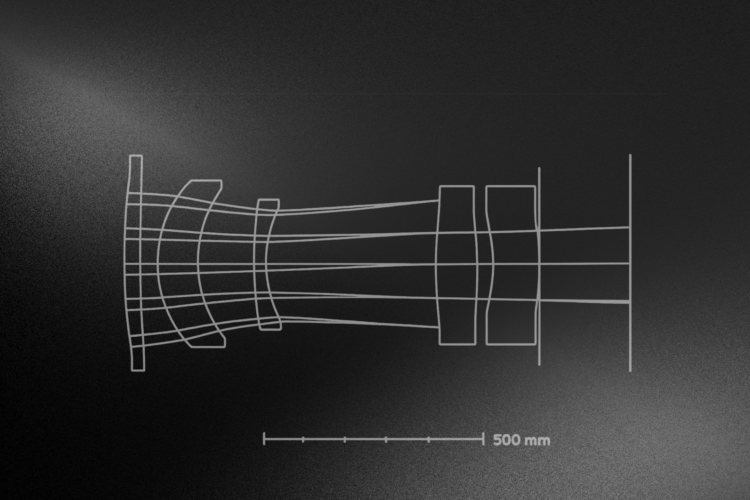
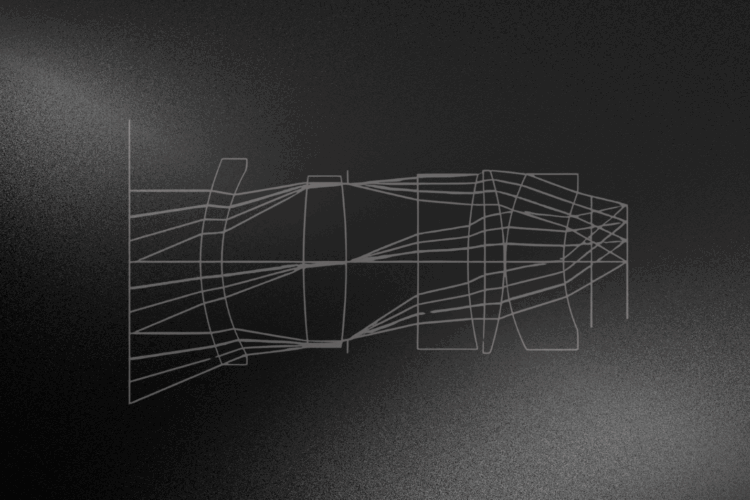
High-Performance RC Telescope Optical System with Verified Wavefront Control

Key Takeaways This technical note presents the design, implementation, and validation of a high-performance Ritchey–Chrétien (RC) telescope system optimized for deep space observation and spaceborne applications. The system achieves high imaging fidelity through precise optical design, controlled wavefront error, and structurally stable, lightweight construction. Key system parameters include: Effective focal length: 8840.56 mm Aperture ratio: […]

Read more
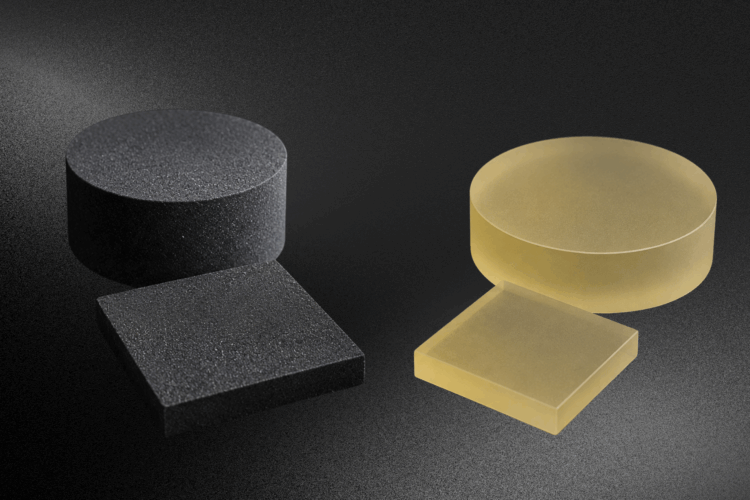
Material Selection for Space Optics: SiC vs. Zerodur

Key Takeaways Material selection between SiC and Zerodur is application-driven rather than hierarchical.  SiC offers high stiffness, lightweight capability, and good thermal conductivity, making it suitable for systems exposed to thermal gradients and structural constraints.  Zerodur provides near-zero thermal expansion, ensuring exceptional dimensional stability in thermally stable environments.  The optimal choice depends on whether the […]

Read more
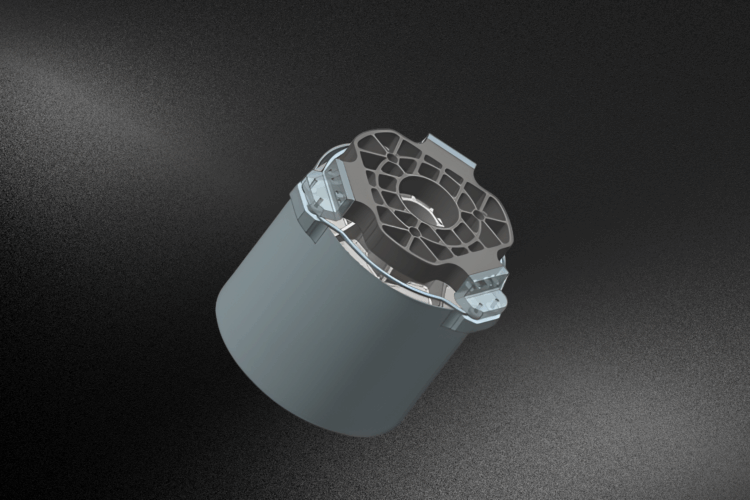
Case Study: Development of Sub-meter High-Resolution Optical Payload

Key Takeaways This case study presents the development of a sub-meter high-resolution optical payload that redefines the balance between optical precision and mass efficiency. Leveraging space-proven technical heritage, the project successfully integrated a coaxial reflective optical system with a correction lens group to achieve diffraction-limited imaging performance. The resulting lightweight remote sensing camera achieves a […]

Read more
The Evolution of Space Laser Terminal Architecture
3D abstract render of satellite transmitting data or signal by laser to Earth planet. Transfer 5G web communications, global network connection. Concept of modern innovative space technologies.

While the fundamental advantages of Free-Space Optical Communication (FSOC)—such as high bandwidth and RF-jamming immunity—are well-established (see our FSOC Fundamentals), the industry is now shifting from “proving the physics” to “optimizing the architecture.”
For aerospace engineers and system architects, the challenge has moved beyond simple Pointing, Acquisition, and Tracking (PAT) to the scalability, manufacturability, and intelligence of the terminals themselves.

Read more
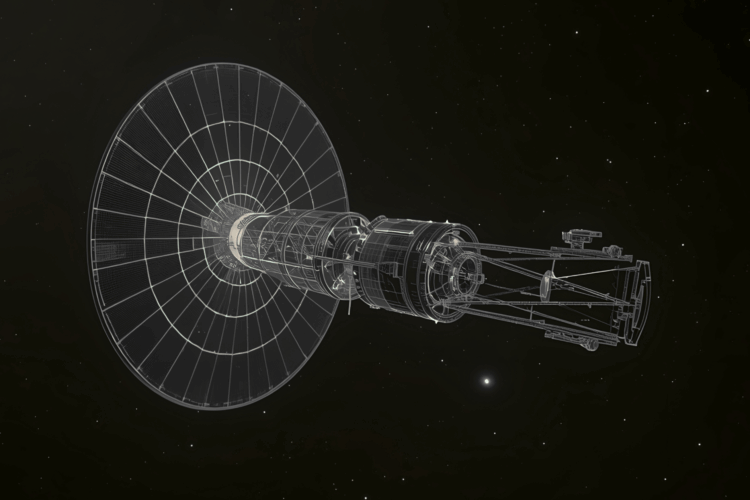
Space Telescopes: Optical Design Principles

Space telescope design is governed by aperture size, aberration control, and environmental constraints unique to orbit.
Refracting systems offer stability but suffer severe aperture limits, while reflecting architectures dominate modern space observatories due to scalability and chromatic aberration elimination.
Catadioptric designs provide compact, balanced solutions for small to mid-sized missions.
As space optics evolve, segmented mirrors, active wavefront correction, and hybrid architectures are defining the next generation of high-performance space telescopes.

Read more
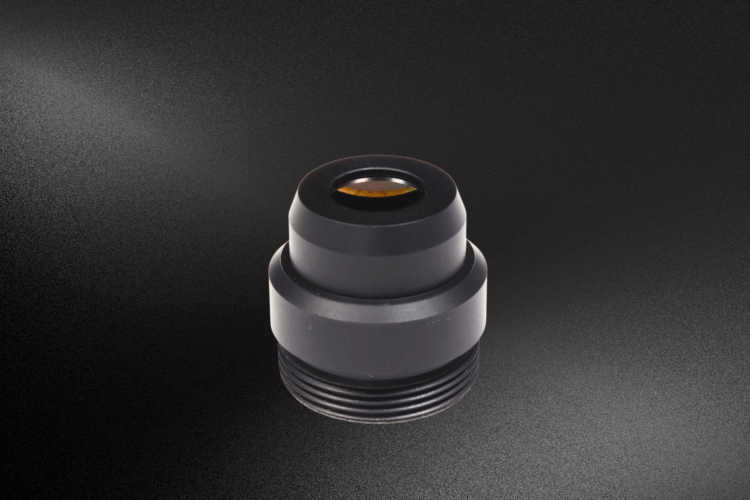
Custom Germanium Lens Production for Low-Visibility Applications

This project required the development of a germanium lens designed for use in low-visibility environments such as fog, smoke, or low-light. Learn how Avantier successfully exceeded expectations, demonstrating capabilities to manufacture specialized lenses for demanding applications.

Read more