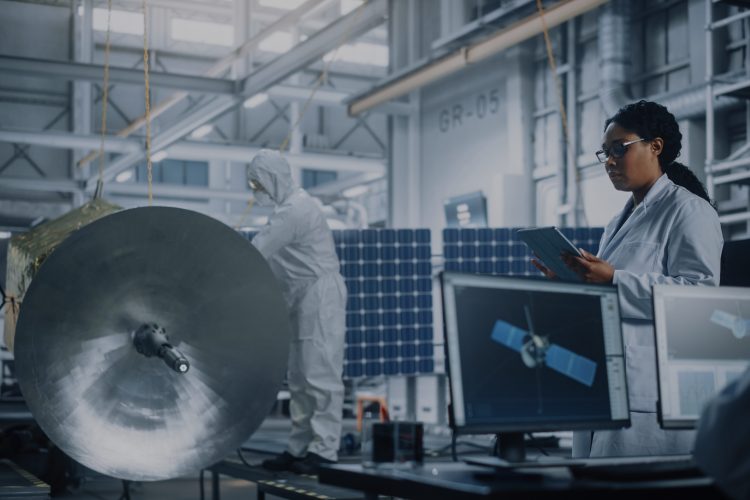
Durable space lenses, particularly large-aperture aspherical optics, deliver superior image quality, high light collection, and reliable performance under extreme conditions like radiation, thermal fluctuations, and launch stress.
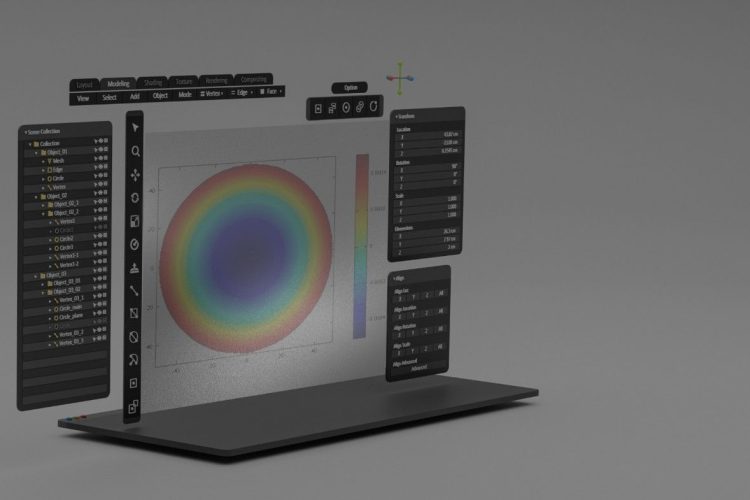
Wavefront error budgets define allowable optical distortions across telescope components, ensuring nanometer-level precision. Managing surface, alignment, coating, and thermal effects is critical for reliable, high-quality space imaging.
By leveraging advanced materials, precision metrology, and ruggedization, engineers can enhance Attitude Determine and Control Systems (ADCS), essential for maintaining the precise orientation of small satellite platforms, including CubeSats and microsatellites.
Durable optical materials are essential for modern systems operating in harsh environments, providing stability against radiation, temperature extremes, and mechanical stress while ensuring reliable, high-performance optical functionality.
Optical Communication in Space: From Free-Space Lasers to Deep-Space Data Links
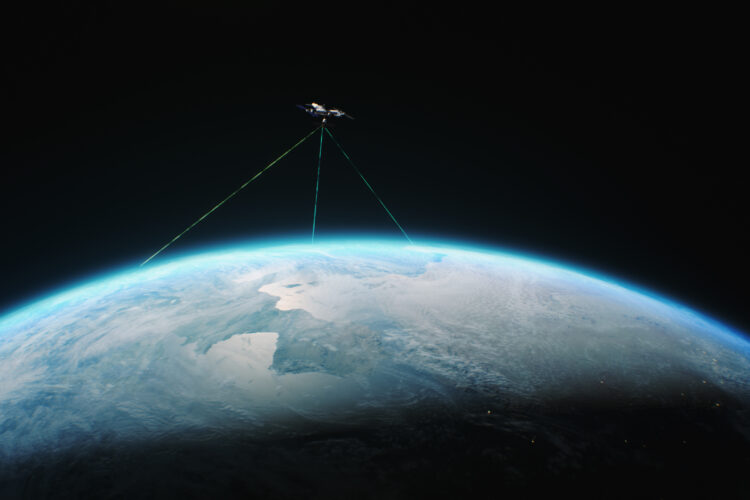
Optical communication in space represents a transformative shift from traditional radio frequency (RF) transmission to high-speed, laser-based data exchange. Using light instead of radio waves, these systems can send vast amounts of data across interplanetary distances with unparalleled efficiency.
Collectively referred to as Free-Space Optical Communication (FSOC), this technology uses modulated laser or LED beams to transmit digital information wirelessly through open space. Within this broad category, space-based laser communications (often called lasercomm) focus on orbital and satellite applications, while Deep Space Optical Communication (DSOC) pushes the frontier even farther—to interplanetary distances.
Space-based LIDAR and hyperspectral imaging combine precise 3D mapping with detailed spectral analysis to monitor Earth’s surface, enabling insights into ecosystems, resources, and climate while advancing applications in science, industry, and sustainability.
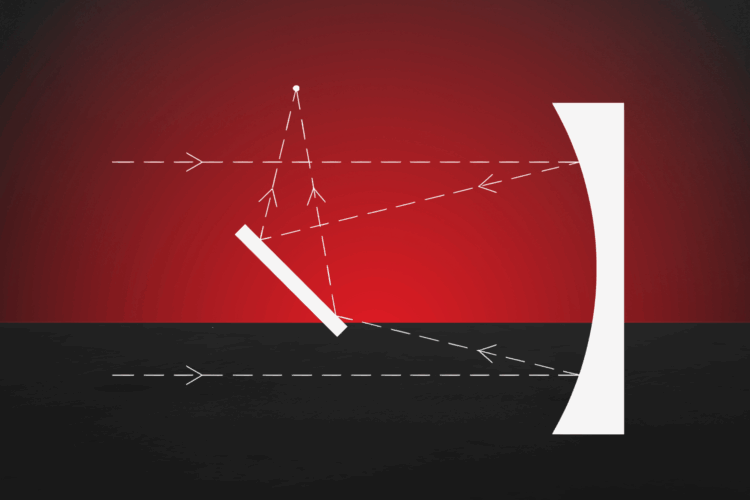
The reflector telescope is unique among telescopes because of its reflective design. Instead of using lenses to refract or bend light to form images, it uses a combination of curved surfaces and flat mirrors to reflect light for imaging.
Athermal optical systems are engineered to maintain consistent performance across a wide range of temperatures without the need for active thermal compensation.
With rapid advances in electronics and wireless technology, electromagnetic interference (EMI) has become a major concern, often impacting the performance of sensitive equipment.
A space optical remote sensing payload is the core of a spacecraft, generating data via imaging sensors (e.g., multispectral, LiDAR) and transmitting it to Earth using advanced optics like lasers and adaptive systems.