
Wavefront error budgets define allowable optical distortions across telescope components, ensuring nanometer-level precision. Managing surface, alignment, coating, and thermal effects is critical for reliable, high-quality space imaging.
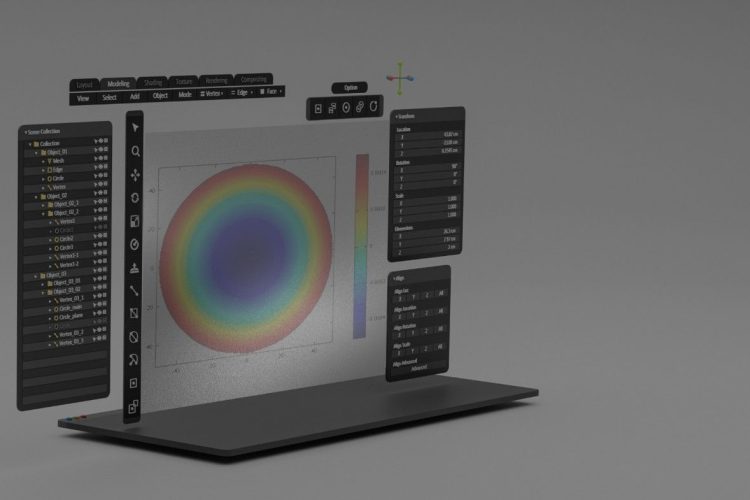

Wavefront error budgets define allowable optical distortions across telescope components, ensuring nanometer-level precision. Managing surface, alignment, coating, and thermal effects is critical for reliable, high-quality space imaging.

By leveraging advanced materials, precision metrology, and ruggedization, engineers can enhance Attitude Determine and Control Systems (ADCS), essential for maintaining the precise orientation of small satellite platforms, including CubeSats and microsatellites.

Avantier’s precision-engineered SWIR hyperspectral lens delivers crisp imaging across 1000–2500 nm, combining high transmittance and thermal stability for reliable, high-resolution analysis.

Telescopes are exposed to radiation, atomic oxygen, extreme thermal cycles, and broad spectral demands- requiring coatings that ensure long-term performance, stability and survivability.

Today’s space-based telescope require innovations that balance high performance with extreme environmental resilience; freeform optics, silicon carbide (SiC) mirrors and lightweight optical structures are all key trends that are reshaping optical design for space exploration applications.

Custom-designed optics enable significant performance enhancements in resolution, sensitivity, and speed in wavefront sensor applications; Key for telescope alignment and interferometer stabilization to advanced imaging and beam-shaping systems.

Durable optical materials are essential for modern systems operating in harsh environments, providing stability against radiation, temperature extremes, and mechanical stress while ensuring reliable, high-performance optical functionality.
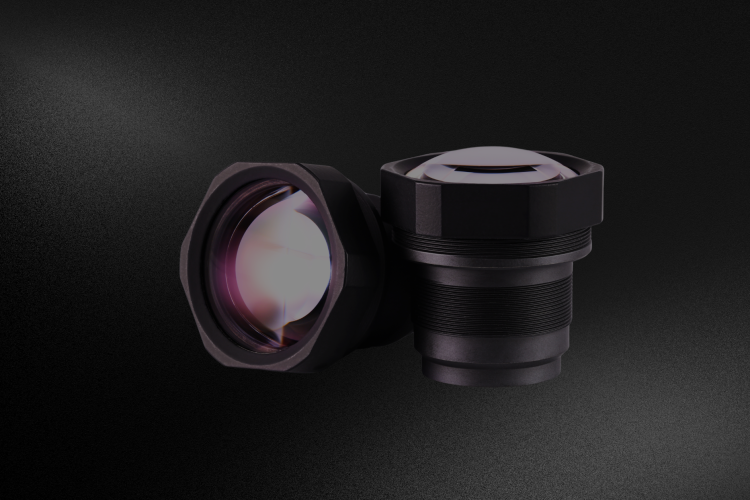
Star tracker optics enable precise spacecraft navigation, covering lens design types, performance requirements, and face challenges like thermal stability, distortion control, and faint star detection.

Miniaturized optics for satellites and CubeSats are compact, lightweight systems enabling high-resolution imaging, beam steering, and spectral sensing within strict size, power, and mass limits, allowing small satellites to perform advanced, cost-effective space missions.
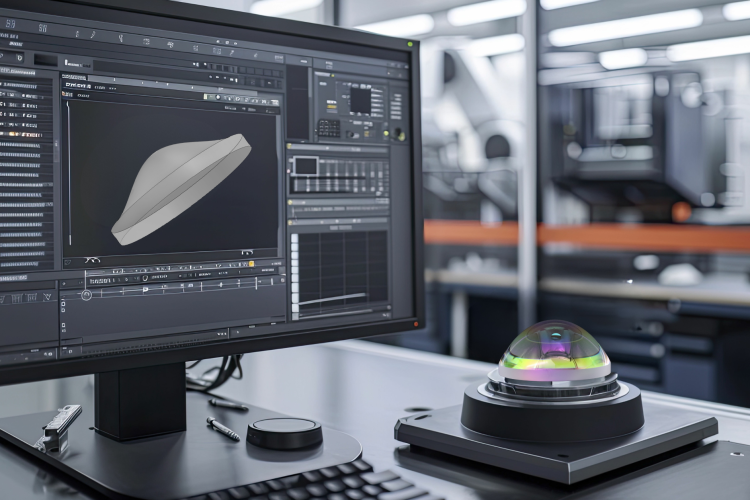
Reverse engineering is one of Avantier’s unqiue capabilities; This process lends itself to technical innovation, IP protection, and rapid, cost-effective replication. Learn about the process of reverse engineering and the advanced tools involved in this aspherical lens case study.