Telescopes are exposed to radiation, atomic oxygen, extreme thermal cycles, and broad spectral demands- requiring coatings that ensure long-term performance, stability and survivability.
Case Study: Achieving Exceptional Thermal Stability with CFRP in Space Telescopes
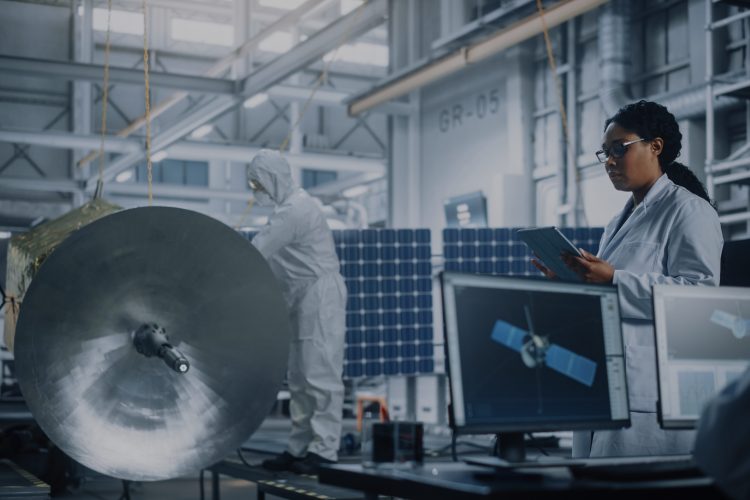
To ensure mission success in harsh environments, we optimized a high-performance imaging system by prioritizing thermal stability with CFRP. This case study details how replacing traditional materials with carbon fiber and refining assembly techniques delivered a lightweight, stable, and flight-ready optical system.
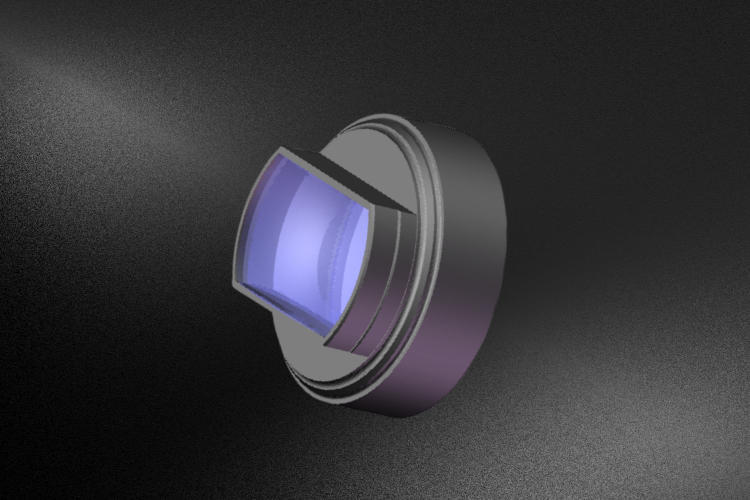
Today’s space-based telescope require innovations that balance high performance with extreme environmental resilience; freeform optics, silicon carbide (SiC) mirrors and lightweight optical structures are all key trends that are reshaping optical design for space exploration applications.
Custom-designed optics enable significant performance enhancements in resolution, sensitivity, and speed in wavefront sensor applications; Key for telescope alignment and interferometer stabilization to advanced imaging and beam-shaping systems.
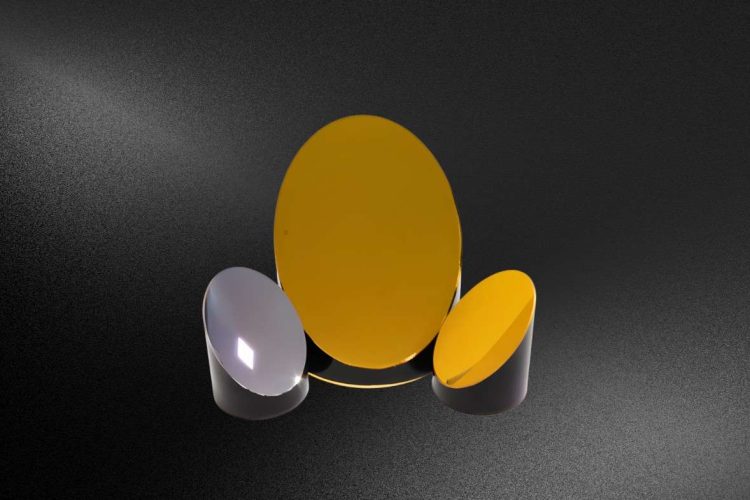
Durable optical materials are essential for modern systems operating in harsh environments, providing stability against radiation, temperature extremes, and mechanical stress while ensuring reliable, high-performance optical functionality.
Star tracker optics enable precise spacecraft navigation, covering lens design types, performance requirements, and face challenges like thermal stability, distortion control, and faint star detection.
Miniaturized optics for satellites and CubeSats are compact, lightweight systems enabling high-resolution imaging, beam steering, and spectral sensing within strict size, power, and mass limits, allowing small satellites to perform advanced, cost-effective space missions.
Reverse engineering is one of Avantier’s unqiue capabilities; This process lends itself to technical innovation, IP protection, and rapid, cost-effective replication. Learn about the process of reverse engineering and the advanced tools involved in this aspherical lens case study.
Explore Avantier’s extensive engineering capabilities through large optical components; multiple case studies showcase Avantier’s durable, accurate and stable engineering tailored for various applications.
Optical Communication in Space: From Free-Space Lasers to Deep-Space Data Links
Optical communication in space represents a transformative shift from traditional radio frequency (RF) transmission to high-speed, laser-based data exchange. Using light instead of radio waves, these systems can send vast amounts of data across interplanetary distances with unparalleled efficiency.
Collectively referred to as Free-Space Optical Communication (FSOC), this technology uses modulated laser or LED beams to transmit digital information wirelessly through open space. Within this broad category, space-based laser communications (often called lasercomm) focus on orbital and satellite applications, while Deep Space Optical Communication (DSOC) pushes the frontier even farther—to interplanetary distances.