
The Silicon Carbide Mirror was specifically designed to meet the stringent requirements of aerospace engineering, ensuring exceptional performance in challenging conditions.
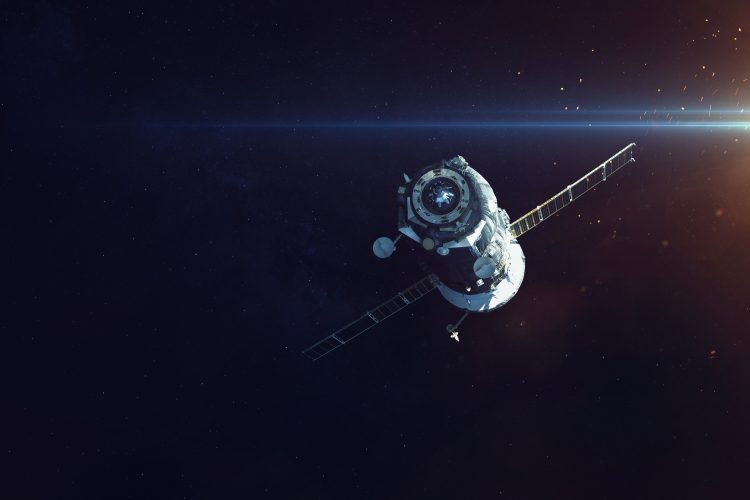

The Silicon Carbide Mirror was specifically designed to meet the stringent requirements of aerospace engineering, ensuring exceptional performance in challenging conditions.
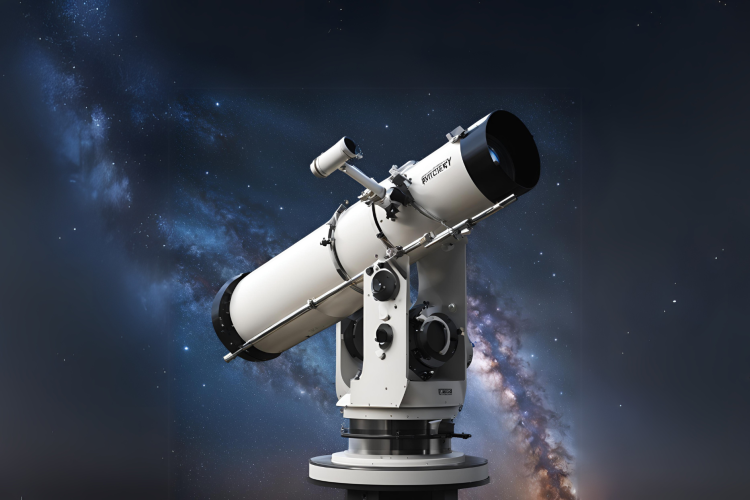
The Ritchey-Chrétien (RC) telescope, a specialized variant of the Cassegrain optical system, is renowned for its advanced design.

In the realm of space exploration, precision is everything. The Ritchey-Chrétien (RC) telescope has become a cornerstone for astronomical instruments
With rapid advances in electronics and wireless technology, electromagnetic interference (EMI) has become a major concern, often impacting the performance of sensitive equipment.
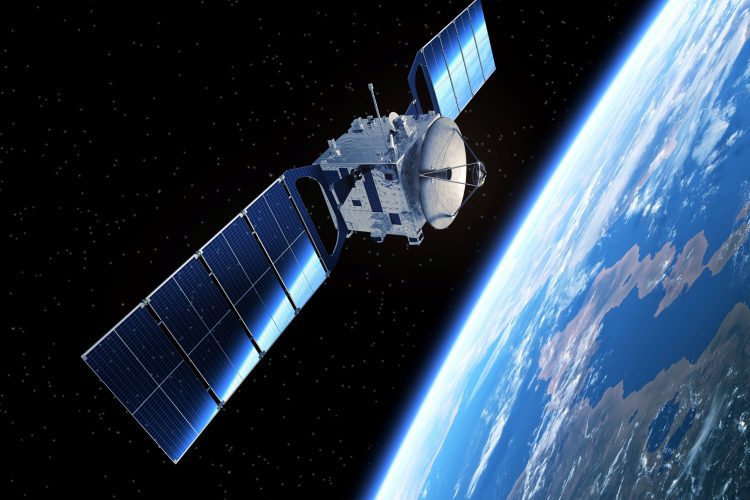
A space optical remote sensing payload is the core of a spacecraft, generating data via imaging sensors (e.g., multispectral, LiDAR) and transmitting it to Earth using advanced optics like lasers and adaptive systems.
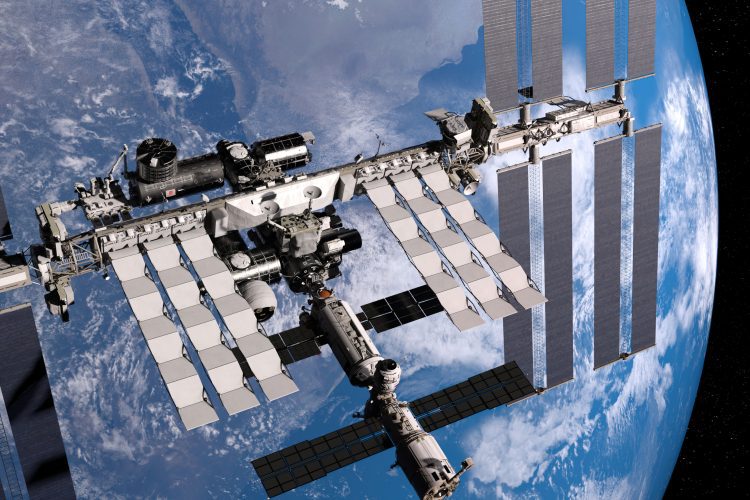
Ultra lightweight space cameras fit maximum performance in a minimalist package. They’ve got to—- when you’re launching a spacecraft weight is at a premium, and every gram counts.
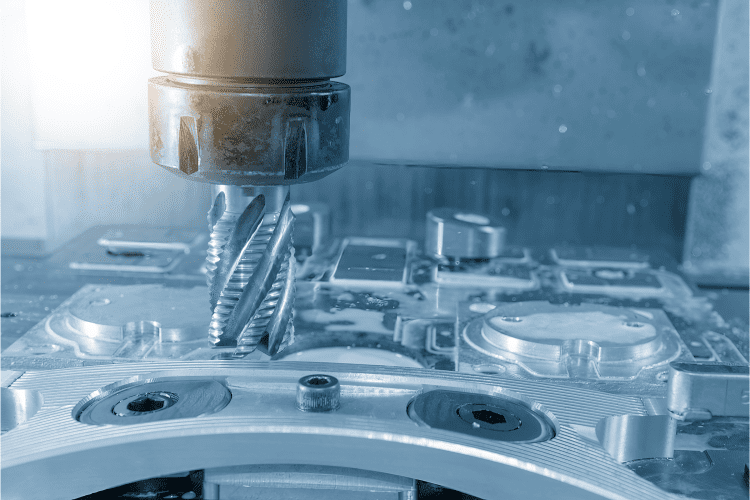
Silicon carbide optics deliver exceptional thermal stability, stiffness, and lightweight performance, making them ideal for aerospace, semiconductor, and high-power laser applications in extreme environments.

Explore SWIR hyperspectral camera lenses, blending short-wave infrared technology with hyperspectral imaging for detailed spectral analysis.
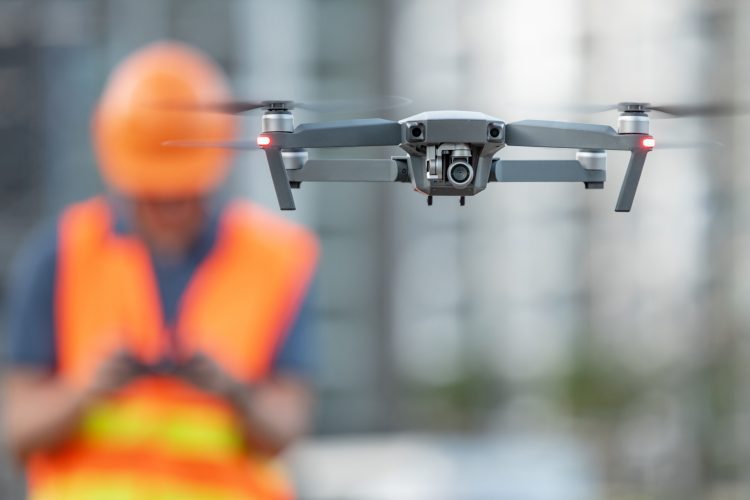
The Germanium Optical Dome ensures optical clarity for drones by protecting optical instruments and maintaining their performance.

Avantier’s dedication to precision engineering can be seen through custom optical dome solutions, addressing engineering challenges while maintaining structural integrity-a platform for future advancements in enclosure technology.