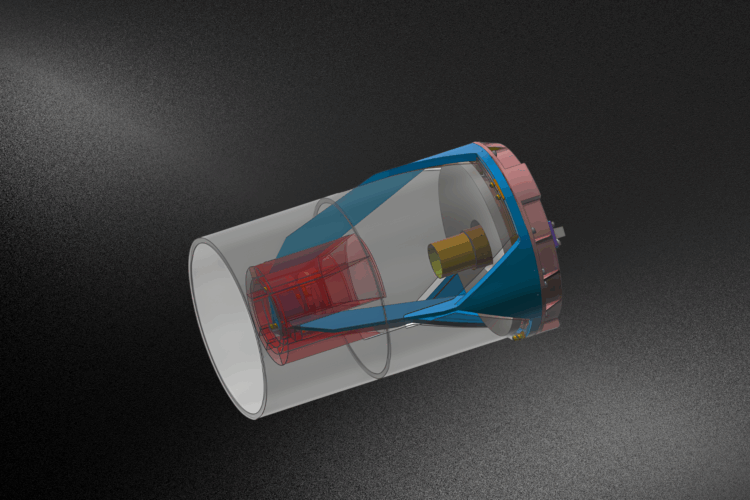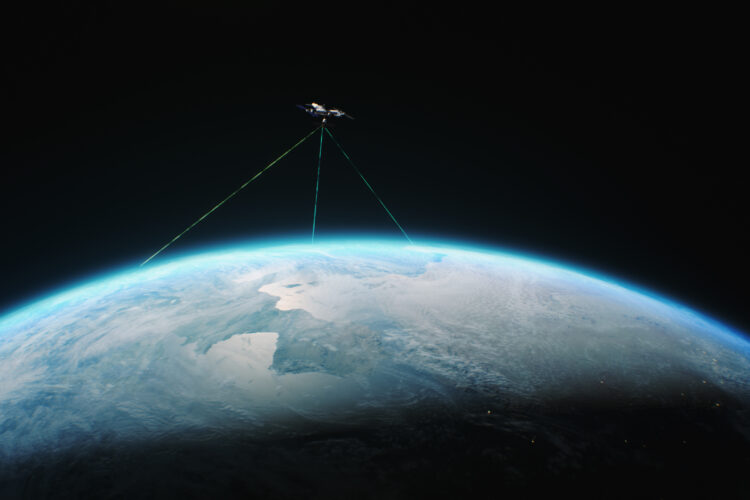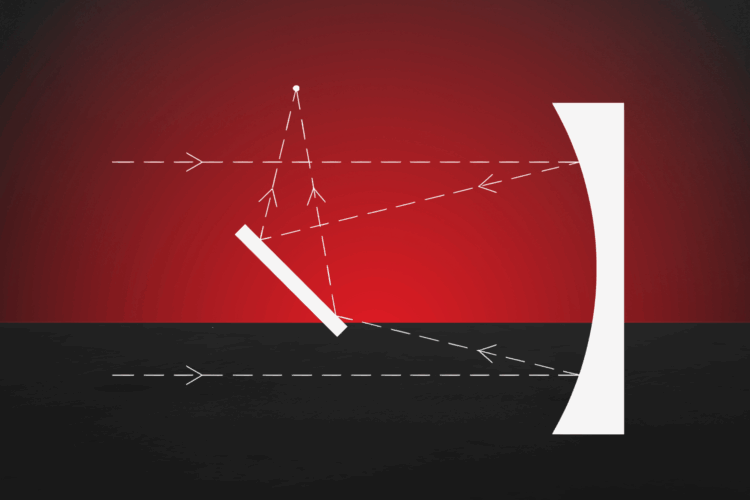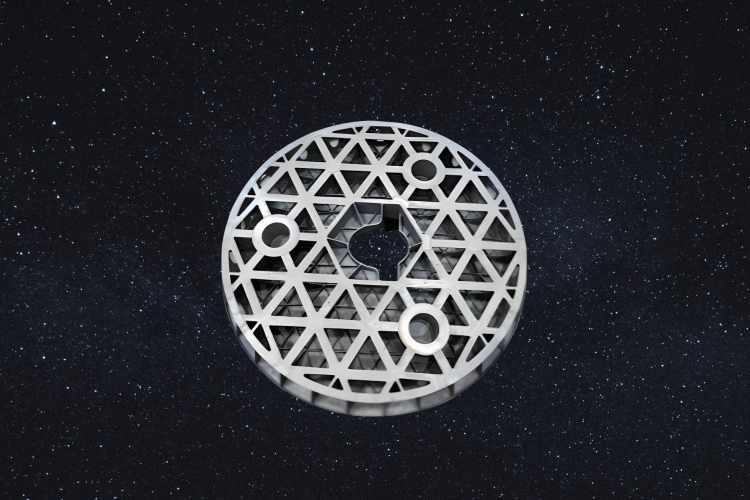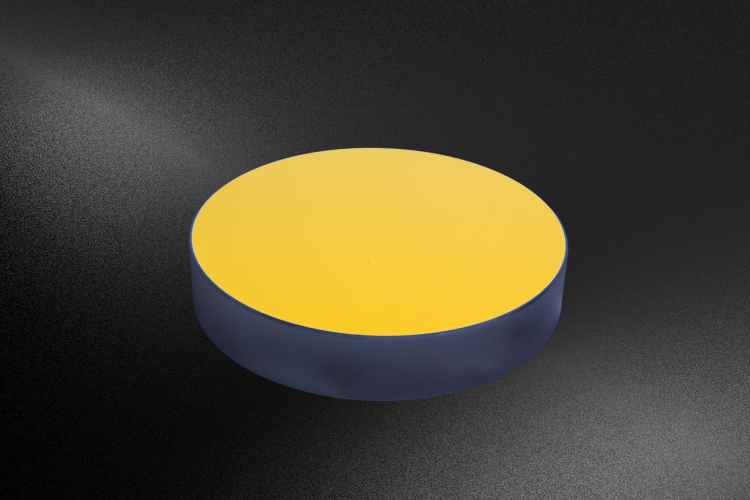
Supporting future mission like LUVIOR and HabEx, Avantier’s successful development of the Φ1.1 m RB-SiC mirror will foster new discoveries, offering clearer views of our universe with unprecedented efficiency and precision.
Optical coatings manipulate the fundamental properties of light—reflection, transmission, polarization, and spectral distribution—through thin-film engineering that enhances performance in advanced optical systems.
This project required the development of a germanium lens designed for use in low-visibility environments such as fog, smoke, or low-light. Learn how Avantier successfully exceeded expectations, demonstrating capabilities to manufacture specialized lenses for demanding applications.
Precision Telecompressors redefine imaging efficiency, pairing full-frame optics with smaller sensors while preserving field of view, sharpening detail, and strengthening low-light performance across advanced applications.
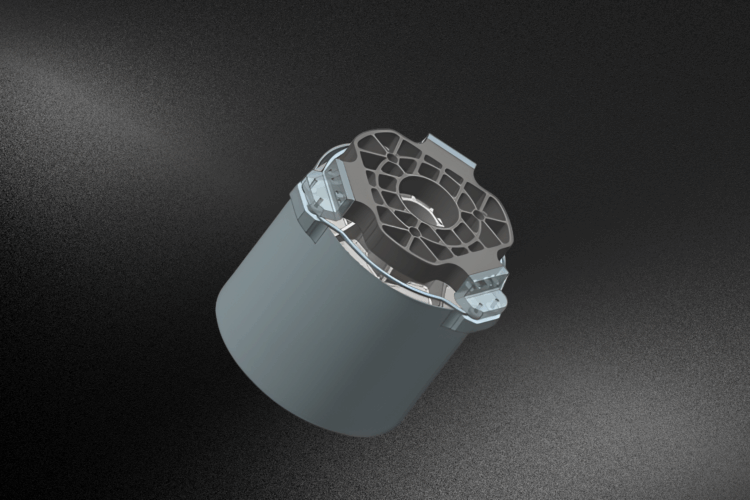
This project required designing a lightweight NIR reflection mirror with a machined backside pocket structure; Avantier considered manufacturability, structural integrity, thermal behavior and operational reliability in providing a stable, production-ready solution.
Avantier offers fully customized fixed focal length lens solutions; Explore how Avantier designed specialized helicopter solutions to help achieve consistent performance even under extreme vibration or rapid flight dynamics.
The Infinite Conjugate Microscope Objective—often referred to in industry as the infinity-corrected objective—has emerged as the cornerstone of advanced scientific instrumentation, precision inspection systems, and high-end manufacturing. It remains the optimal solution for unlocking new frontiers in microscopy and photonics.
Durable space lenses, particularly large-aperture aspherical optics, deliver superior image quality, high light collection, and reliable performance under extreme conditions like radiation, thermal fluctuations, and launch stress.
Risk reduction in space optics projects are absolutely critical; Precision optical component providers must ensure their solutions are not only high-performing in the lab but also fully qualified for the harsh realities of space.
Fiber and CO₂ lasers differ in wavelength, efficiency, and applications: fiber lasers excel in precise, efficient metal processing, while CO₂ lasers remain ideal for non-metals and biological materials. The choice depends on application, however hybrid systems are also emerging.