
The Robotic Intelligent Camera enhances surveillance with advanced monitoring and robust defense capabilities for heightened security.
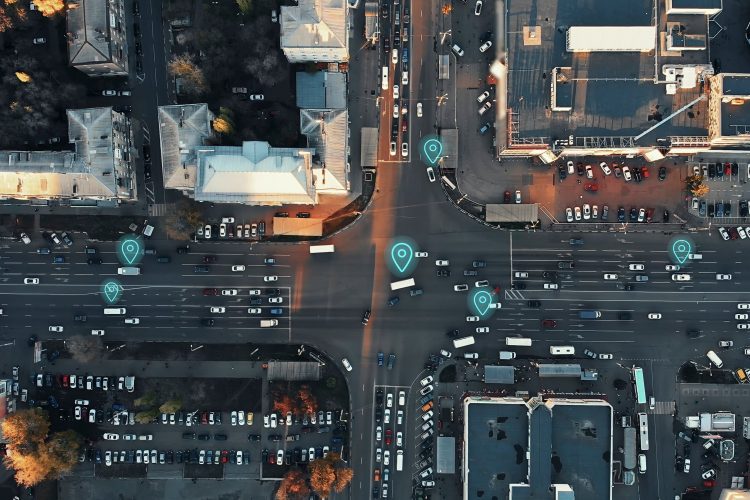

The Robotic Intelligent Camera enhances surveillance with advanced monitoring and robust defense capabilities for heightened security.
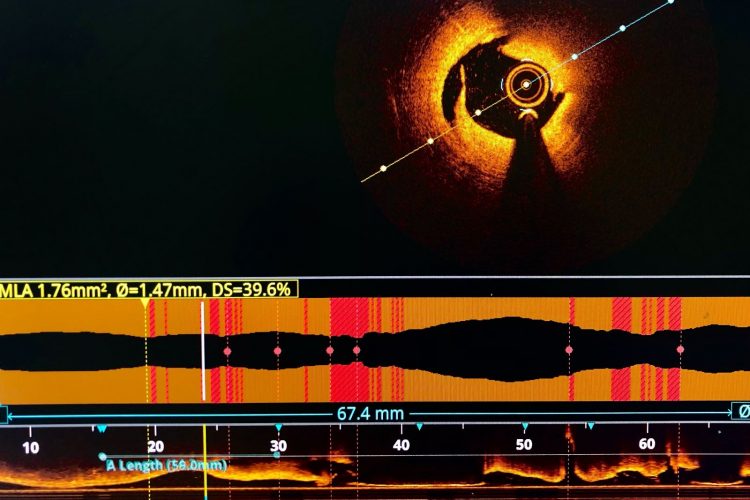
OCT, a non-contact method, is crucial for Non-Destructive Testing, ensuring thorough inspections without compromising material integrity.

The characteristics of lenses can determine the quality of the photos taken and the operational capability of optical equipment in various industries. With the right combination of lenses and settings, you can get the best view of your subject.
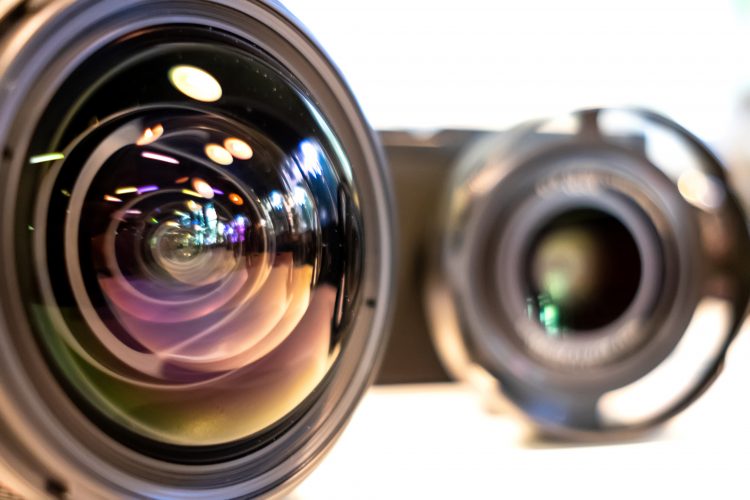
Both fisheye and wide-angle lenses are used in situations that need a wide field of vision. Either one provides an extensive visual angle. So, what distinguishes one from the other?
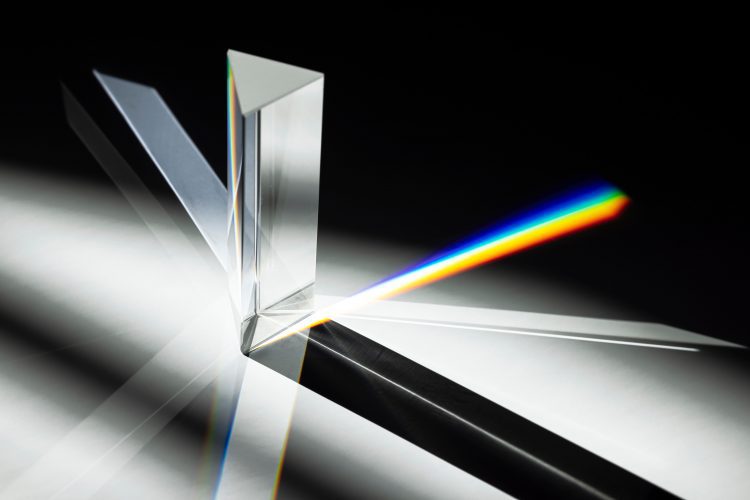
A beam splitter is applied in various fields, from teleprompters to robotics. Without it, a lot of technology you know would not function. So, how does a beam splitter work? What are its types and applications?
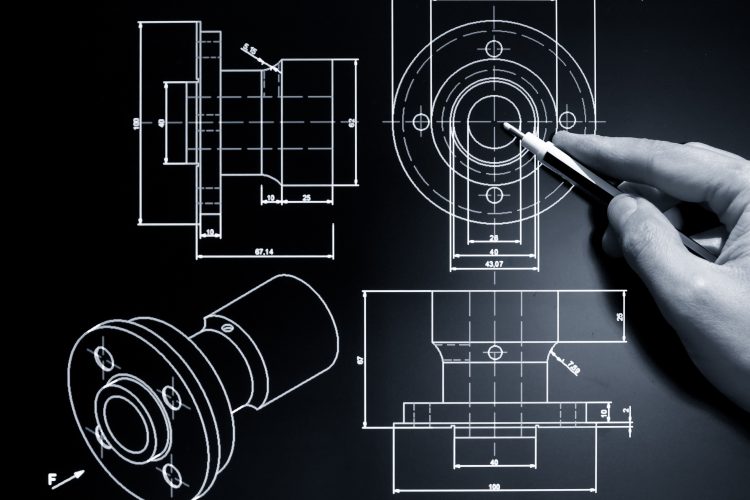
At Avantier, we use Zemax for designing, analyzing, and optimizing optical systems, such as lenses, objectives, cameras, and other optical devices.
Reverse optical engineering, also known as reverse engineering in optics, is the process of taking an existing optical component or system, analyzing it, and replicating it to create a similar or improved product.
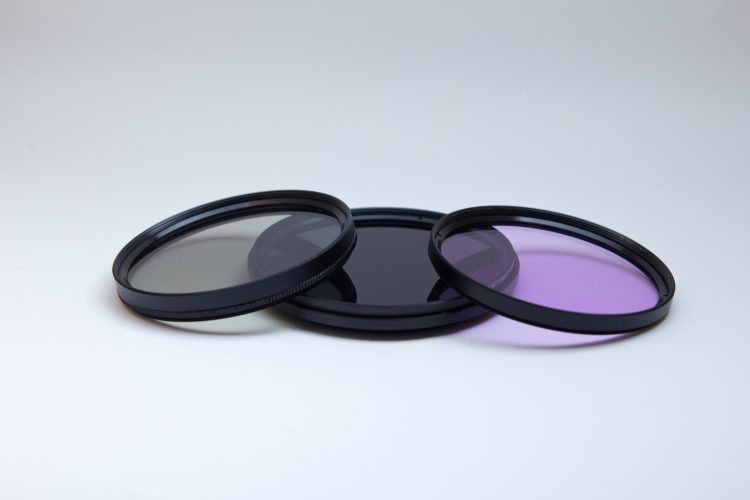
The electromagnetic spectrum encompasses a broad range of wavelengths, including Gamma rays, X rays, ultraviolet, visible light, infrared, and radio waves, arranged in order from shorter to longer wavelengths.

Aberration correction is critical to microscope objective performance, improving image sharpness, color accuracy, and resolution through advanced lens designs like achromatic and apochromatic objectives.
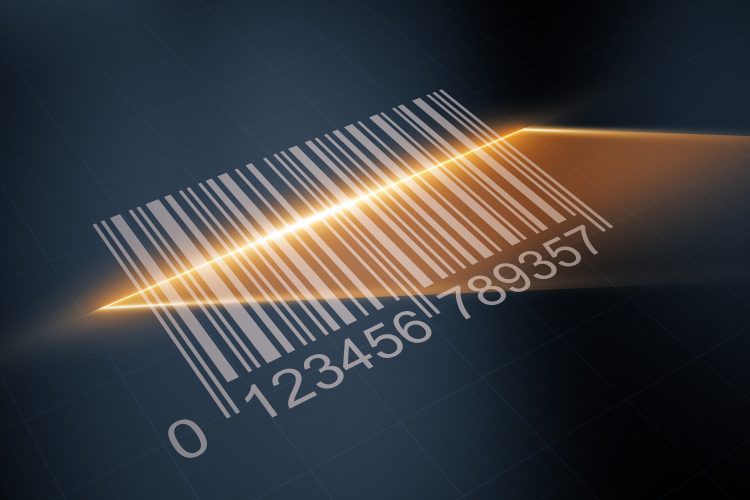
Blurring is a significant source of image degradation in an imperfect imaging system. The optical system’s point spread function (PSF) describes the measure of blur in a given imaging system and is often used in image reconstruction or image recovery algorithms.