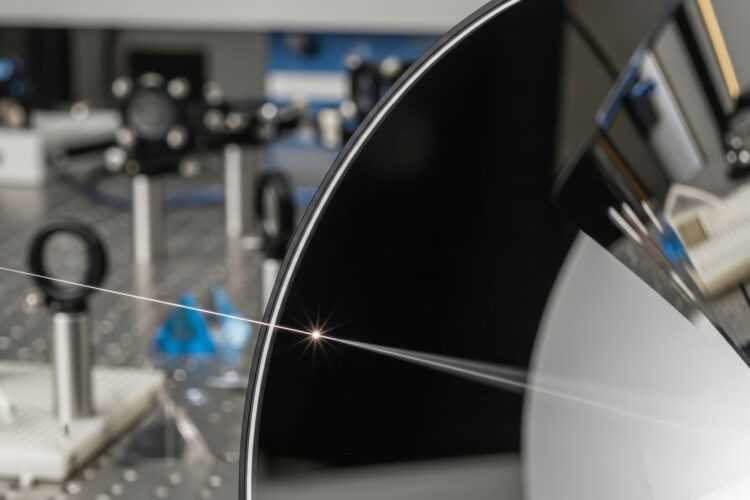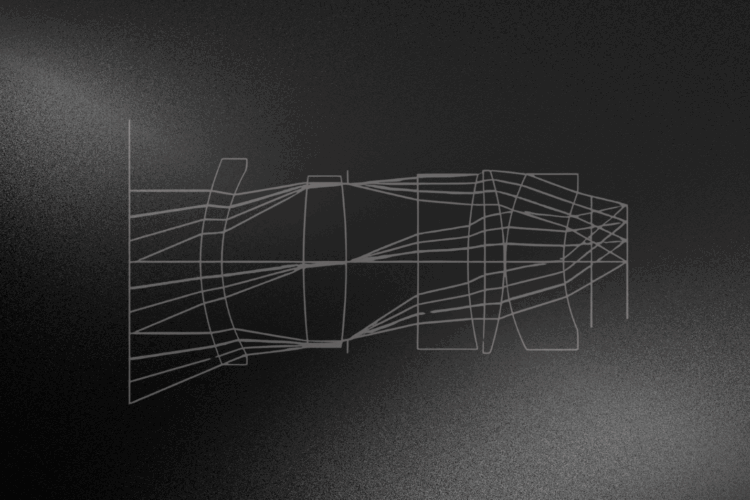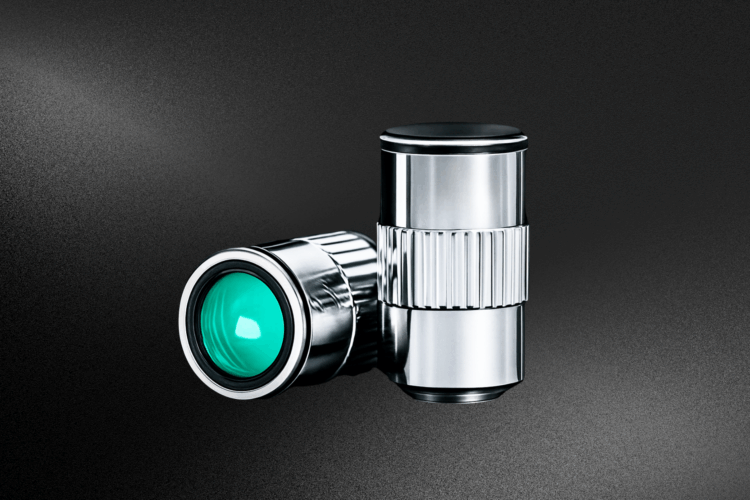
Designs often converge near 114° not by convention but because physics, manufacturability, and practical constraints align there—balancing field of view, distortion control, and feasible optical complexity.
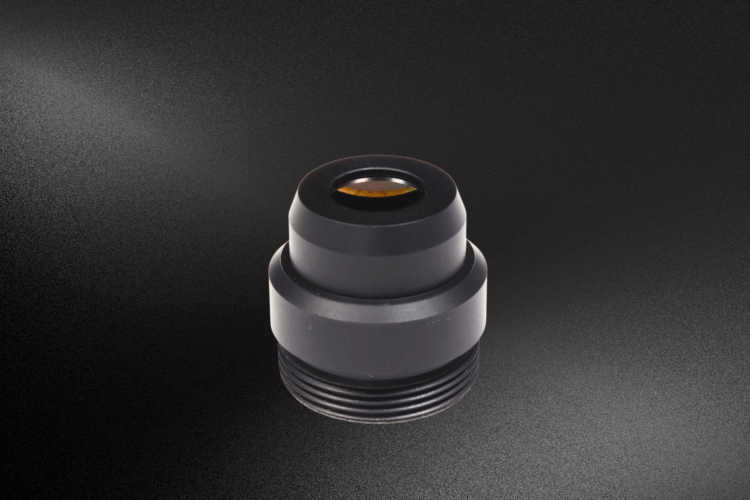
Near-infrared (NIR) microscopy objectives (780–2500nm) are essential for “seeing through” opaque barriers.
By balancing high resolution with superior penetration, they enable deep-tissue biological imaging, subsurface semiconductor defect detection, and non-destructive material analysis.
Despite design challenges like specialized material selection (ZnS/Germanium) and complex aberration correction, modern NIR optics provide high-transmittance solutions (≥ 85%) that surpass the physical limits of visible light, driving innovation in both high-tech manufacturing and life sciences.
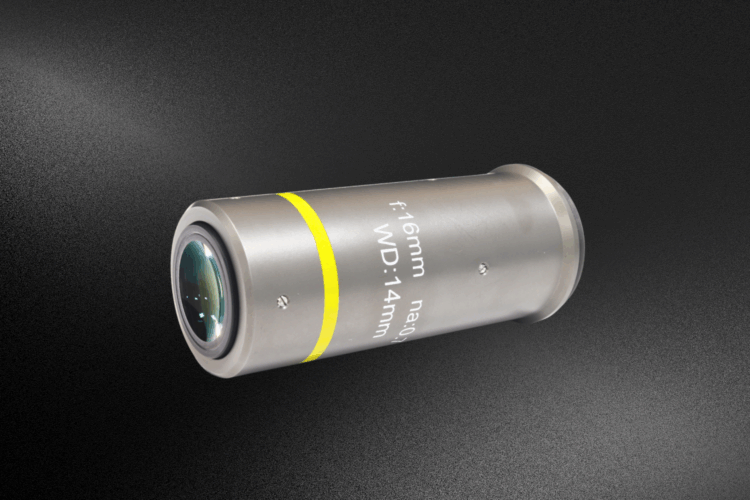
Precision Performance: Achieves diffraction-limited imaging using High-NA Cryogenic Quantum Optics to maximize photon collection efficiency.
Environmental Stability: FEA-optimized housings ensure sub-nanometer wavefront stability from room temperature down to 4K.
Broadband Correction: Tailored multi-wavelength optimization (UV-NIR) supports simultaneous cooling, trapping, and state readout.
Scalable Integration: Engineered for seamless implementation in trapped-ion, neutral atom, and solid-state quantum platforms.
Space telescope design is governed by aperture size, aberration control, and environmental constraints unique to orbit.
Refracting systems offer stability but suffer severe aperture limits, while reflecting architectures dominate modern space observatories due to scalability and chromatic aberration elimination.
Catadioptric designs provide compact, balanced solutions for small to mid-sized missions.
As space optics evolve, segmented mirrors, active wavefront correction, and hybrid architectures are defining the next generation of high-performance space telescopes.
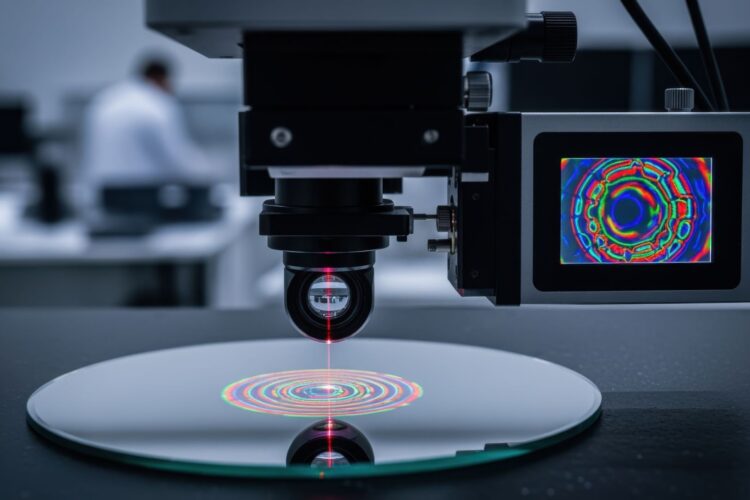
Cylindrical lens metrology protocols are essential for bridging the gap between theoretical optical design and high-performance manufacturing. As industrial applications push for tighter tolerances, moving toward advanced interferometric characterization is a requirement for system-level precision.
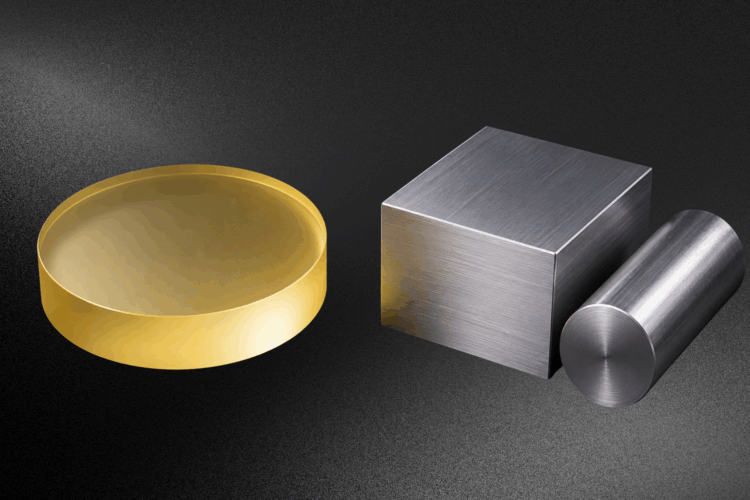
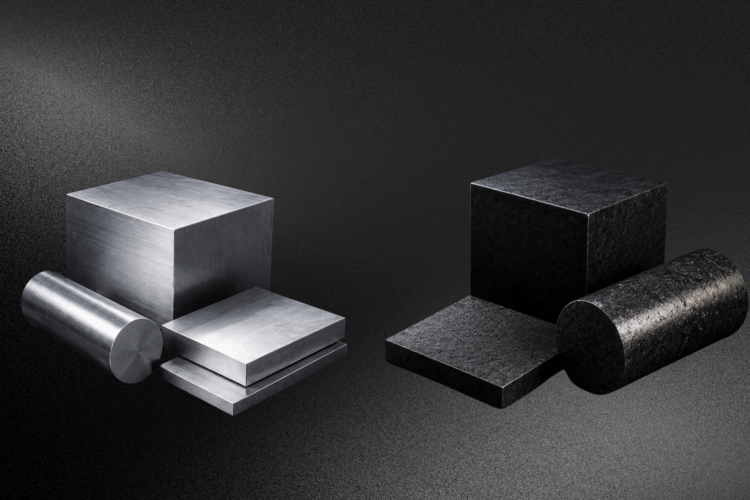
Supporting future mission like LUVIOR and HabEx, Avantier’s successful development of the Φ1.1 m RB-SiC mirror will foster new discoveries, offering clearer views of our universe with unprecedented efficiency and precision.
Optical coatings manipulate the fundamental properties of light—reflection, transmission, polarization, and spectral distribution—through thin-film engineering that enhances performance in advanced optical systems.
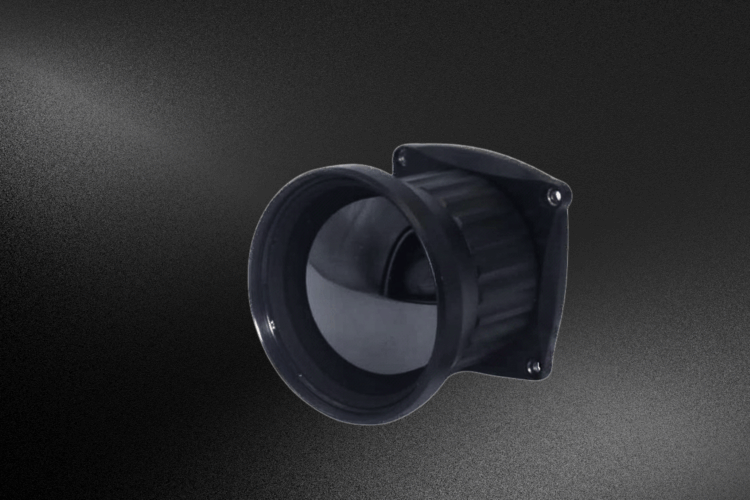
This project required the development of a germanium lens designed for use in low-visibility environments such as fog, smoke, or low-light. Learn how Avantier successfully exceeded expectations, demonstrating capabilities to manufacture specialized lenses for demanding applications.
Cylindrical lenses focus incident light onto a focal line, playing an indispensable role in laser beam shaping, linear array scanning, spectral analysis, and optical fiber communications.
Fluorescence microscopy has emerged as a pivotal tool for observing cellular structures, tracking molecular dynamics, and deciphering the mechanisms of life, offering high specificity through fluorescent labeling and enabling sensitive visualization of biological processes that are otherwise invisible under conventional imaging techniques.