
The past 25 years have seen enormous advances and transformations in optics and optical technologies. Here we’ll look at just what changed— and how these changes are transforming our lives, work, and research.

The past 25 years have seen enormous advances and transformations in optics and optical technologies. Here we’ll look at just what changed— and how these changes are transforming our lives, work, and research.
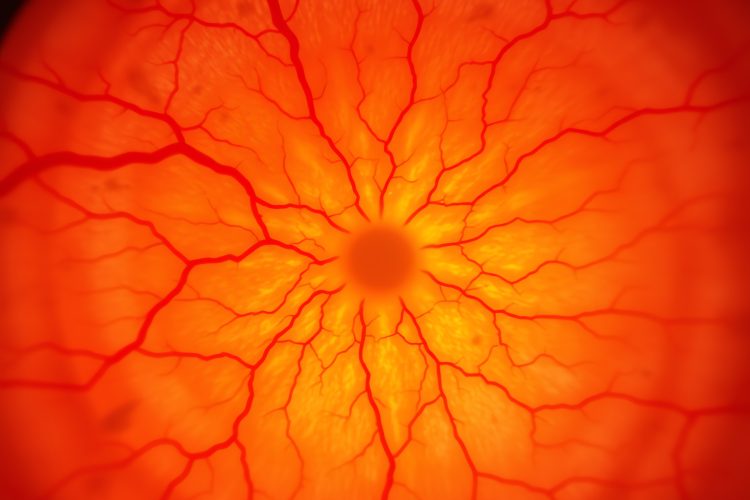
Photoacoustic microscopy (PAM) is a cutting-edge in vivo tissue imaging technique that combines optical and acoustic methods to break through the optical diffusion limit.
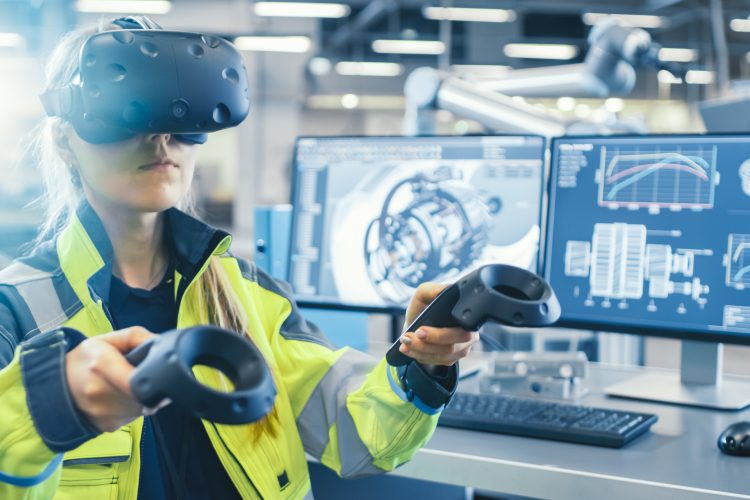
LiDAR VR/AR applications are taking augmented and virtual reality applications to the next level. Once far to expensive and bulky for consumer applications
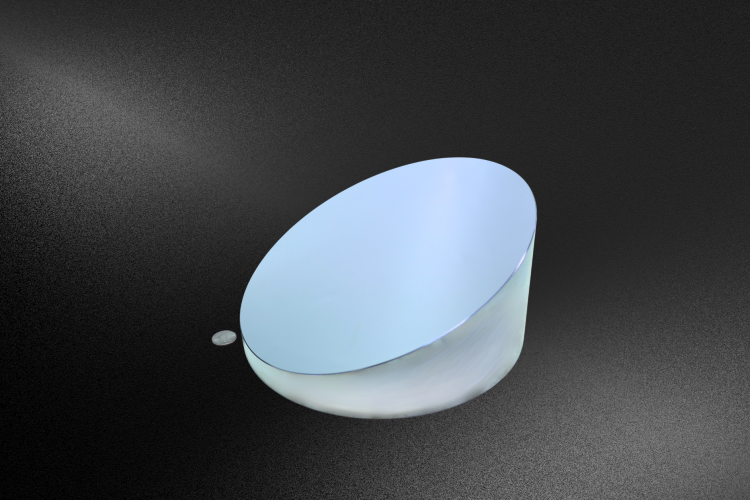
Off-axis parabolic mirrors (OAPs) are a widely used type of aspherical mirror, known for their ability to converge and collimate light beams efficiently. These mirrors are designed by extracting a portion of a parent paraboloid, resulting in unique optical properties.
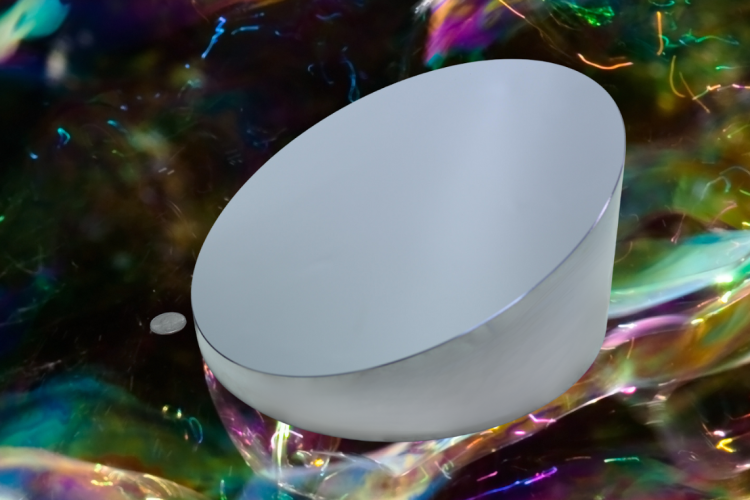
Off-axis parabolic (OAP) mirrors are indispensable components in modern optical systems, offering precision and versatility in a variety of applications.
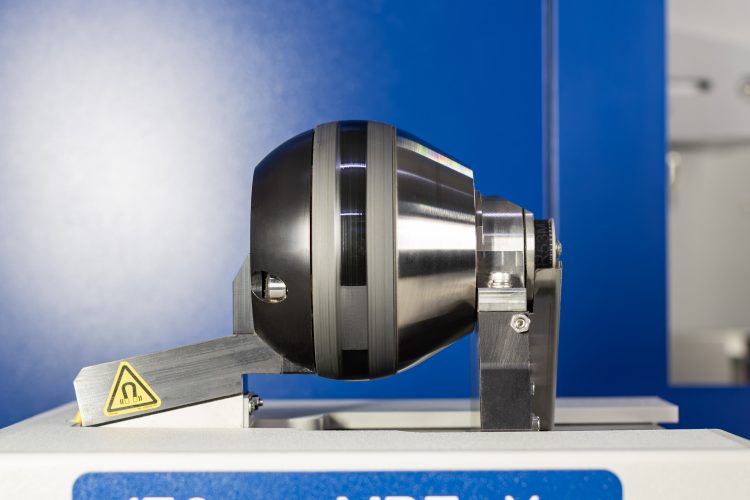
Precision optical components form the cornerstone of modern optical systems, playing a pivotal role in determining the performance and quality of optical devices.
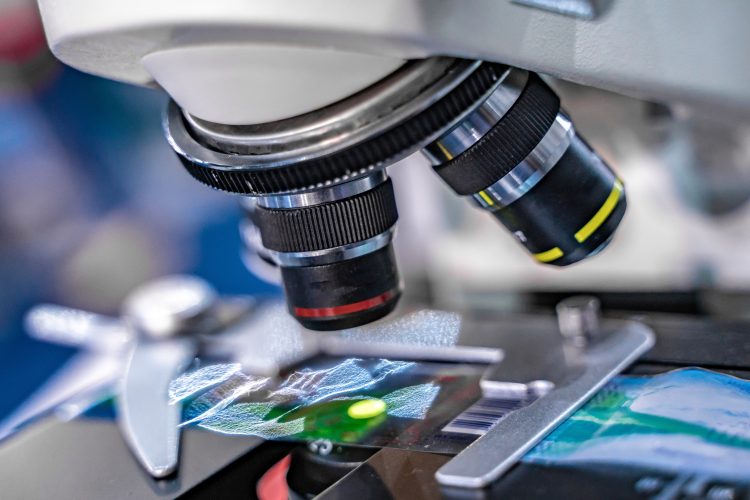
FPM addresses the fundamental trade-off between resolution and field of view in conventional microscopy by combining principles of structured illumination, ptychography, and phase retrieval.
Gravitational wave detection represents one of the most groundbreaking advancements in modern astrophysics, driving the development of highly sophisticated technologies.
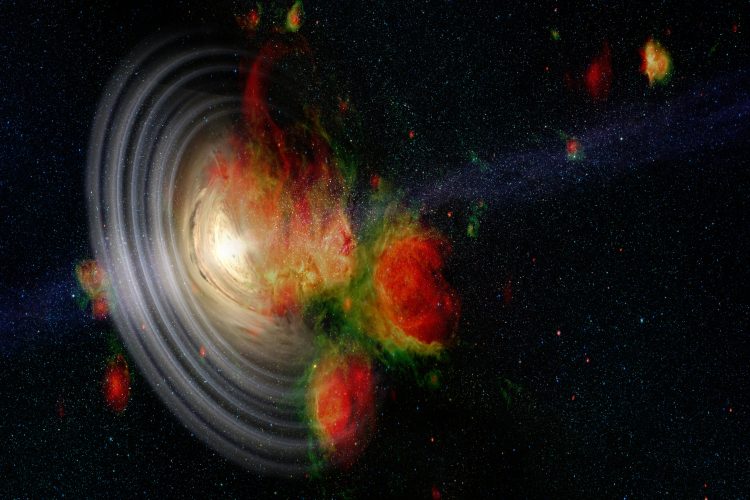
Space gravitational wave telescopes are designed to detect minuscule ripples in spacetime caused by gravitational waves. Under harsh space conditions, high precision optical components, radiation-resistant materials, and ultra-stable laser systems are required but also complicate production. Recent solutions in manufacturing, optics and advanced metrology have helped overcome challenges.

Orbital debris poses a very real risk to satellites and orbital spacecraft, and optics debris detection is the most effective way to mitigate that risk.