
Precision optical polishing refines optical surfaces to achieve exceptional smoothness, accuracy, and clarity, reducing surface defects and light scatter for high-performance imaging, laser, aerospace, and scientific applications.
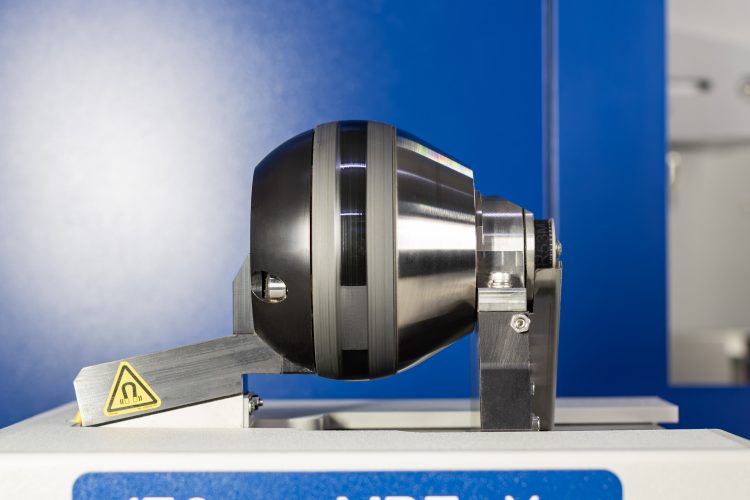

Precision optical polishing refines optical surfaces to achieve exceptional smoothness, accuracy, and clarity, reducing surface defects and light scatter for high-performance imaging, laser, aerospace, and scientific applications.
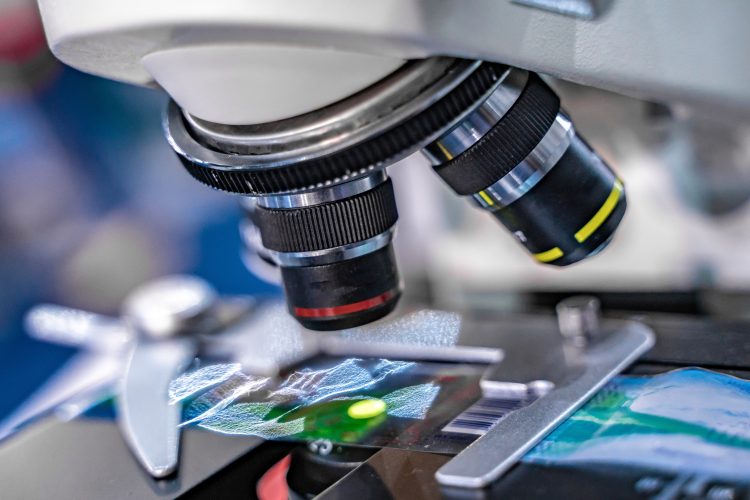
FPM addresses the fundamental trade-off between resolution and field of view in conventional microscopy by combining principles of structured illumination, ptychography, and phase retrieval.

Gravitational wave detection represents one of the most groundbreaking advancements in modern astrophysics, driving the development of highly sophisticated technologies.

Space gravitational wave telescopes are designed to detect minuscule ripples in spacetime caused by gravitational waves. Under harsh space conditions, high precision optical components, radiation-resistant materials, and ultra-stable laser systems are required but also complicate production. Recent solutions in manufacturing, optics and advanced metrology have helped overcome challenges.

Orbital debris poses a very real risk to satellites and orbital spacecraft, and optics debris detection is the most effective way to mitigate that risk.

Quantum photonics is the technology of optics on a quantum level. With applications ranging from quantum information processing to quantum computing and quantum communications

Adaptive optics is a technology designed to improve the resolution of optical systems that may be affected by environmental factors or the state of the observed object.

In the realm of space exploration, precision is everything. The Ritchey-Chrétien (RC) telescope has become a cornerstone for astronomical instruments

Size, weight, and power consumption— sometimes abbreviated as SWaP— are often thought as the big three requirements when designing an optical system for a UAV. UAV optics must achieve high-resolution imagery from long distances as well as enduring temperature and pressure changes, critical for various applications in defense, agriculture and vision systems.
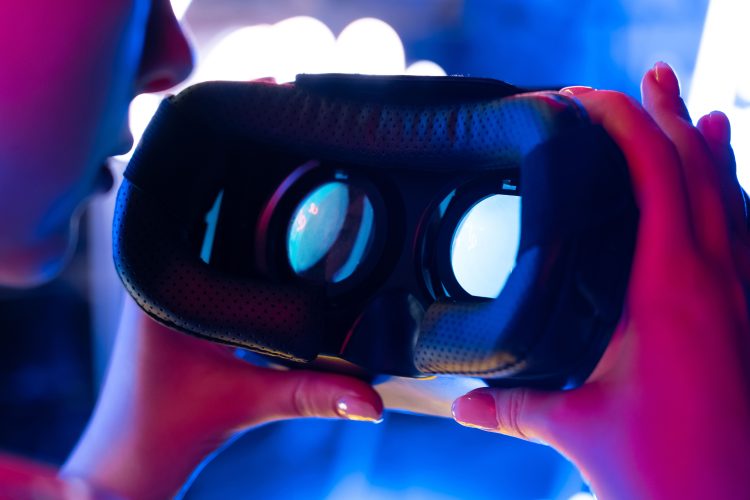
At the core of VR display technology lies optical imaging, which projects virtual scenes to users’ eyes, enabling realistic visual experiences. Modern VR systems must balance imaging quality, device size, and weight, leading to the development of specialized optical solutions.