
There’s a promising new way to improve image quality and correct for the inevitable aberrations in high resolution microscopy. Adaptive optics for microscopy.
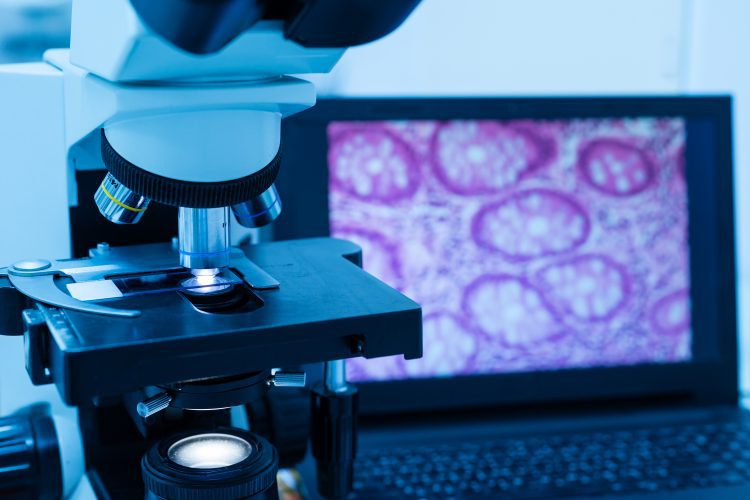

There’s a promising new way to improve image quality and correct for the inevitable aberrations in high resolution microscopy. Adaptive optics for microscopy.
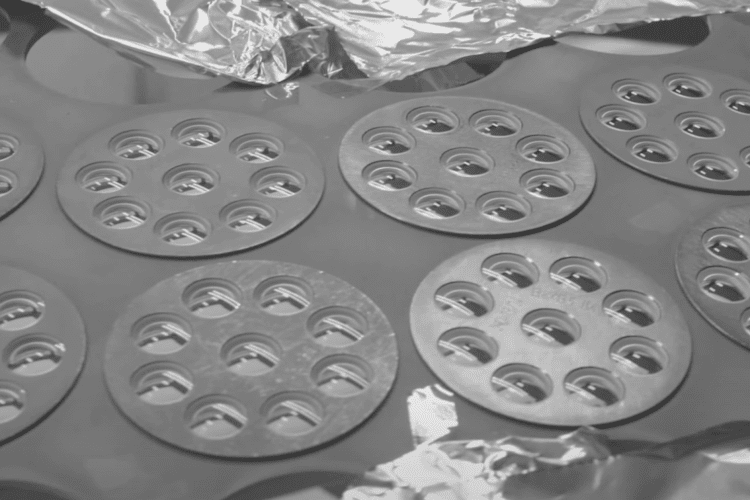
In the realm of optical technology, where precision, durability, and high performance are paramount, Super High Durability (SHD) coatings stand out as essential advancements.
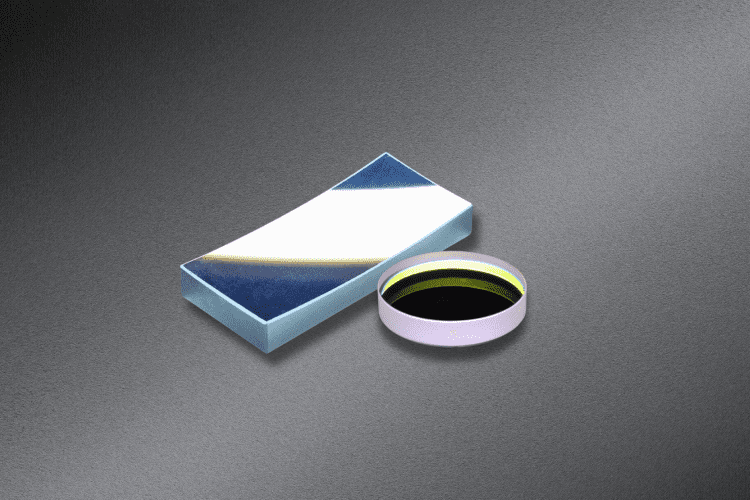
Hot and cold mirrors are dielectric-coated optics that manage heat by separating infrared from visible light. Hot mirrors reflect IR while transmitting visible light, whereas cold mirrors do the opposite, improving thermal control.

Optical prisms are solid glass components that can be used to manipulate light in many ways; different geometries and various substrate materials you see in prisms can lead to more efficiency, compact designs and high image quality
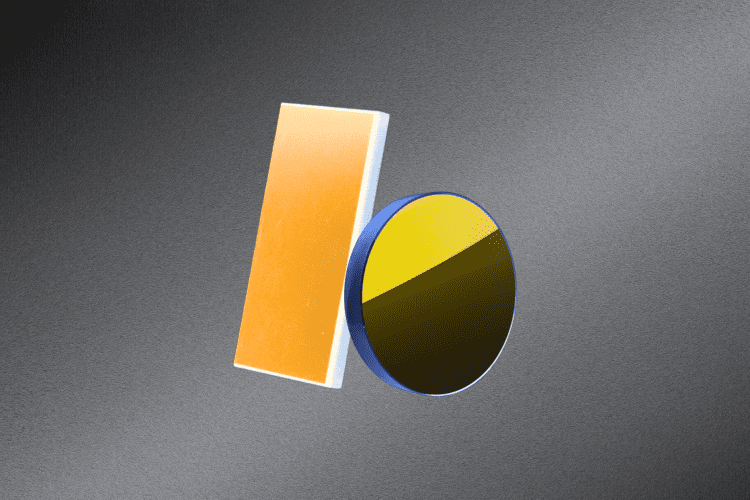
Sometimes, standard metallic mirrors can’t reflect as much light as you need. That’s when you turn to an ultra broadband metallic mirror.

Increasing the numerical aperture of an optical system may increase the resolving power, but it’s not a foolproof way to improve performance.

The paraxial approximation simplifies optical calculations by assuming small-angle light propagation, enabling efficient ray tracing and optical design while highlighting the limits of accuracy in complex systems.

Whether your focus is medical diagnostics, surgery, clinical care, or biomedical research, optical medical imaging can play a transformational role in your practice.

Ignoring dispersive properties in optical materials can cause chromatic aberration, leading to color fringing and reduced image quality.

Learn how to select a beamsplitter for your optical needs. Explore types, applications, and considerations and get expert insights now!