
Avantier excels in optical design for 3D imaging systems, enhancing vision system performance across industries.


Avantier excels in optical design for 3D imaging systems, enhancing vision system performance across industries.
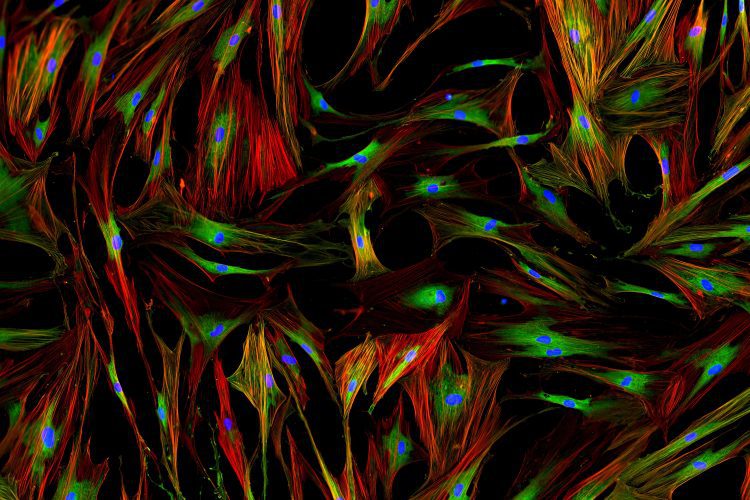
Oblique illumination enhances contrast in live-cell imaging without damaging cells, while AI-driven analysis enables faster, more precise interpretation of dynamic cellular processes, advancing live cell imaging techniques and analysis.

Total internal reflection (TIR) occurs when light in a higher-index medium hits a lower-index boundary beyond a critical angle, reflecting entirely with near-100% efficiency, enabling fiber optics, prisms, and advanced sensing systems.

Light is the radiant energy that manifests within the visible light spectrum, it enables us to visually comprehend the world around us. The complex interplay between light and matter shapes the branch of physics known as optics.

Spherical mirrors, either concave or convex, shape converging or diverging light rays differently to form real or virtual images; focal length, curvature and distance all affect image formation in spherical mirror applications.
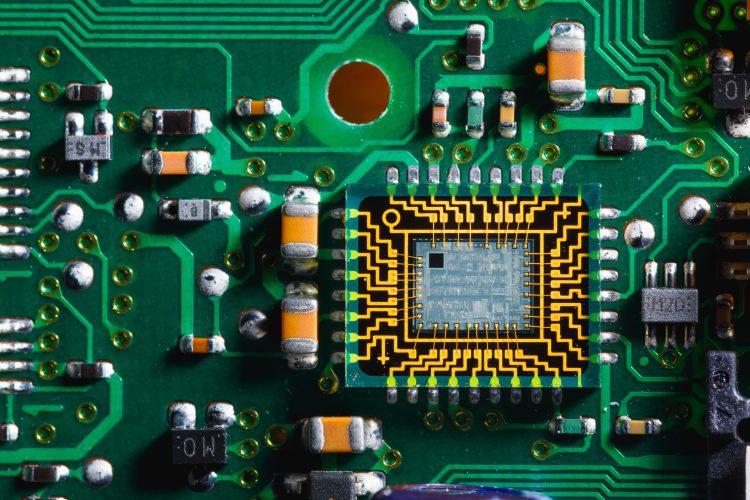
PICs, or optical ICs, use photons to power highly sensitive biosensors and revolutionize medical diagnostics.
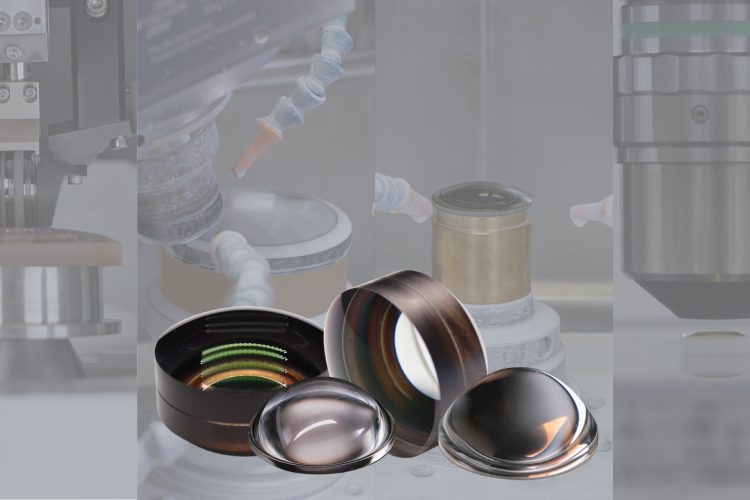
One of the most important features of aspheric lenses is their ability to correct for spherical aberration. Spherical aberration is found in all spherical lenses, such as plano-convex or double-convex lens shapes.
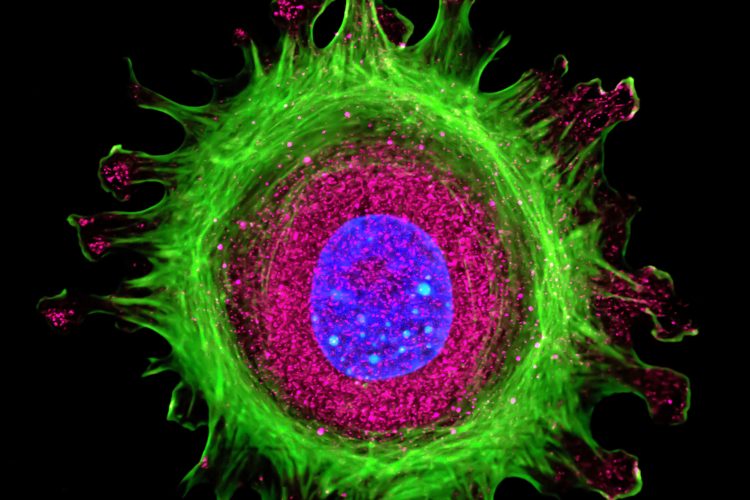
FLIM merges medical microscopy and imaging techniques to study biological processes at a molecular level, vital for biomedical research.

Achromatic lenses correct chromatic aberration, ensuring high image quality across a wide spectral range in various optical systems.

Aspheric lenses improve optical performance by reducing aberrations, delivering sharper images and better edge-to-edge clarity. They are thinner, lighter, and enable compact designs while maintaining high image quality.