
Infrared sensors and advanced optics enable drones to capture high-quality imagery in harsh conditions, detecting heat signatures from warm objects and expanding applications in surveillance, research, agriculture, and rescue missions.
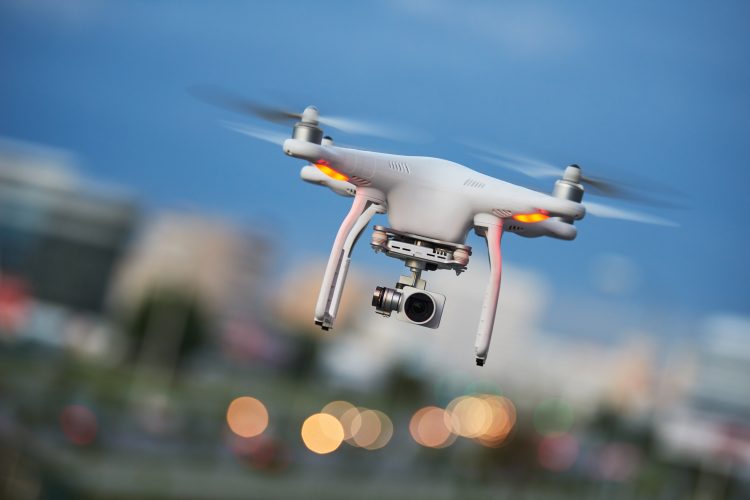

Infrared sensors and advanced optics enable drones to capture high-quality imagery in harsh conditions, detecting heat signatures from warm objects and expanding applications in surveillance, research, agriculture, and rescue missions.
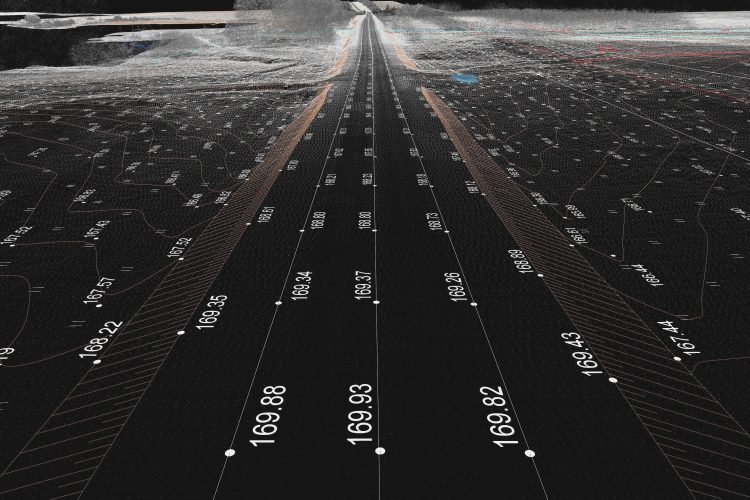
Optics for LIDAR and sensing are far more affordable today than they were just ten years ago, and the technology is currently accessible to almost anyone.
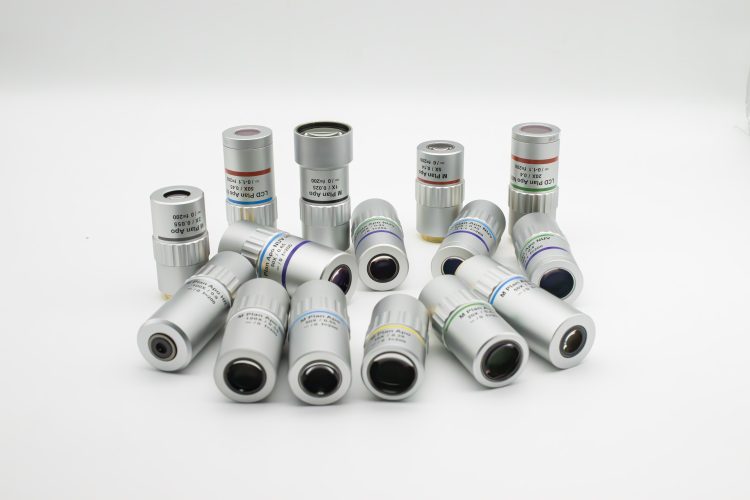
Microscope objective lenses are vital optical elements in microscopy; they collect and focus light from a specimen to form a magnified image. Performance is defined by magnification, numerical aperture, and aberration correction, enabling high-resolution imaging for scientific and industrial applications.
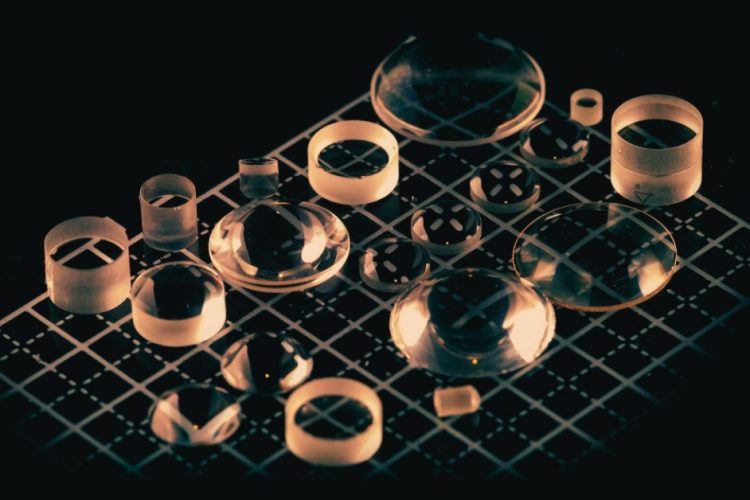
Can a lens be mounted on a surface smaller than the head of a pin, or the full power of complex optical devices be condensed into a package smaller than a fingernail? That’s what micro-optics are about.
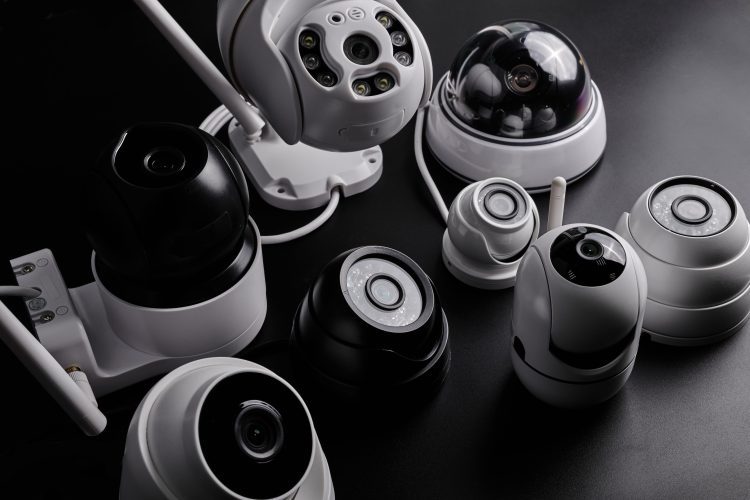
In the fascinating world of optical camera systems, achieving transparency is only the first step. What truly distinguishes flanged camera optical glass domes, however, is their remarkable optical invisibility.
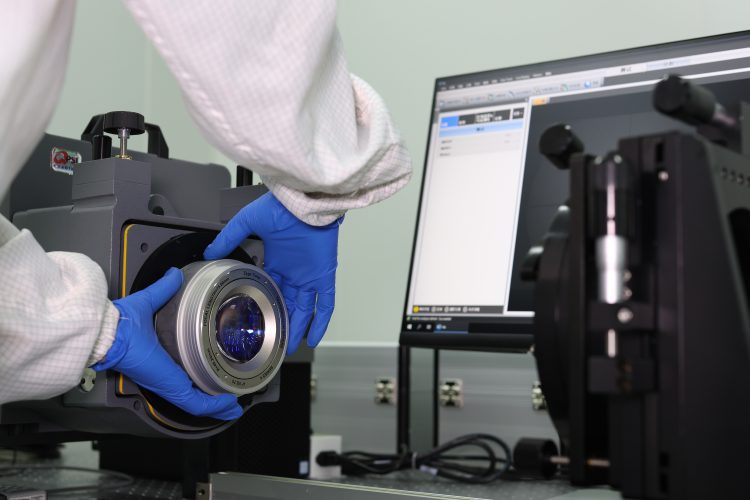
Laser metrology is a versatile set of techniques that enable quick, highly precise, contact-free measurements; it has an important place in process oversight and quality control. Fields such as medical devices, aerospace quality control, automotive engineering and semiconductor fabrication all rely on laser metrology.
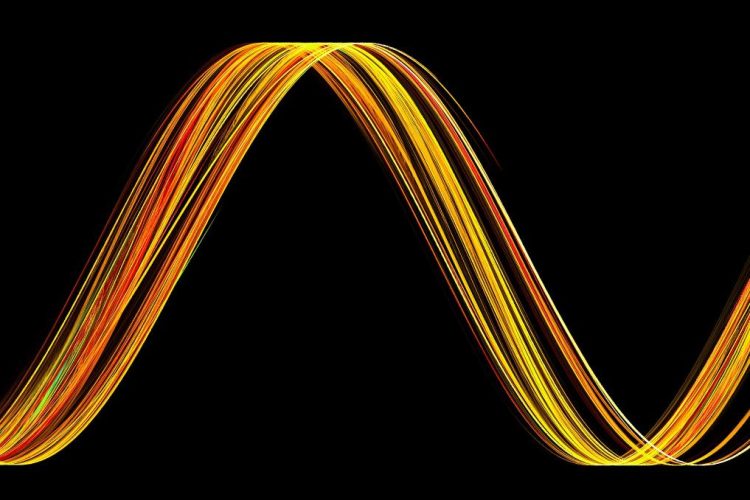
Short wave infrared light (SWIR) can penetrate materials that are impenetrable to visible light, making it ideal for industrial processing and quality check applications as well as for machine applications, surveillance security, and natural resource management.
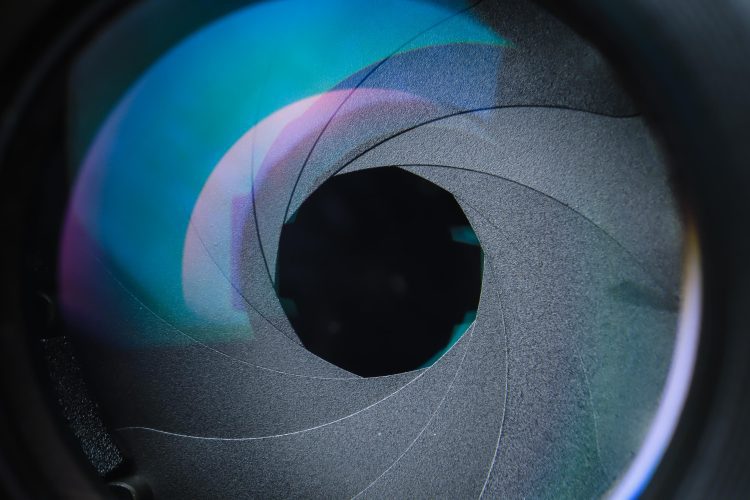
Zoom lenses enable adjustable focal lengths, impacting WD, FOV, resolution, and image clarity in various applications.
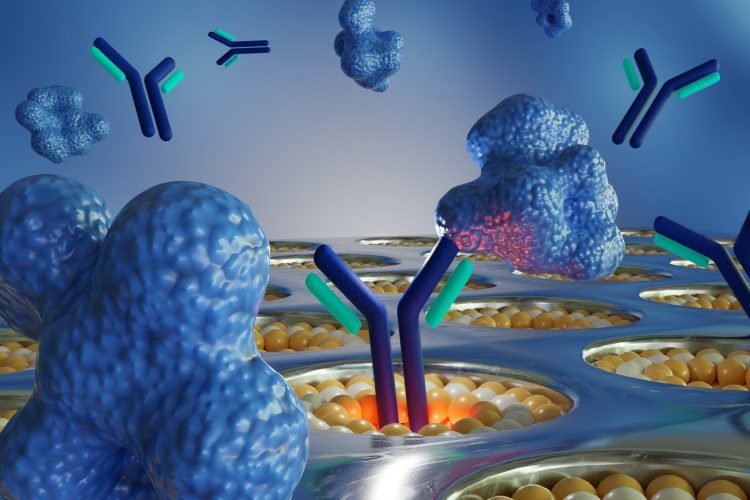
Biophotonic sensors are transforming medical diagnostics by enabling rapid and precise biological analysis.
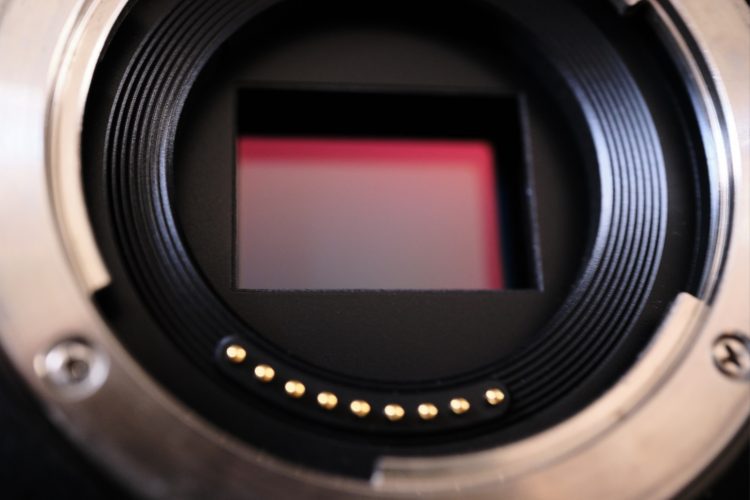
Photography relies on understanding FOV, magnification, resolution, and imaging fundamentals to capture scenes with clarity and detail.