
Color-corrected achromatic lenses optimize lens design to achieve improved image quality by minimizing chromatic aberration.
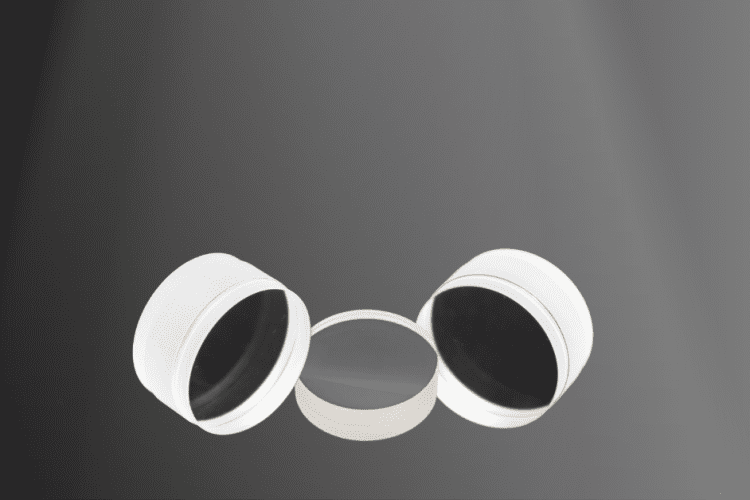

Color-corrected achromatic lenses optimize lens design to achieve improved image quality by minimizing chromatic aberration.

The Chief Ray Angle (CRA) lens is a pivotal concept in the field of optics and imaging systems, and it plays a profound role in shaping the quality of captured images; its correct alignment is pivotal for achieving high-quality images and avoiding artifacts, making it a critical consideration in various imaging applications.
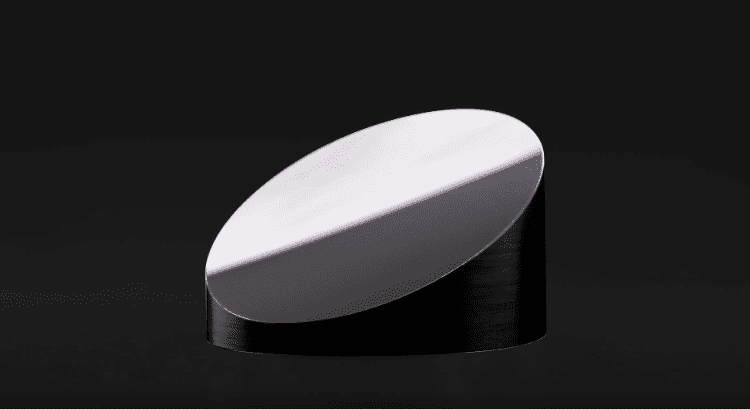
Metallic mirror coatings require a process of applying a thin metal film onto a substrate, such as glass or plastic; this enhances its reflective qualities, effectively transforming it into a functional mirror.
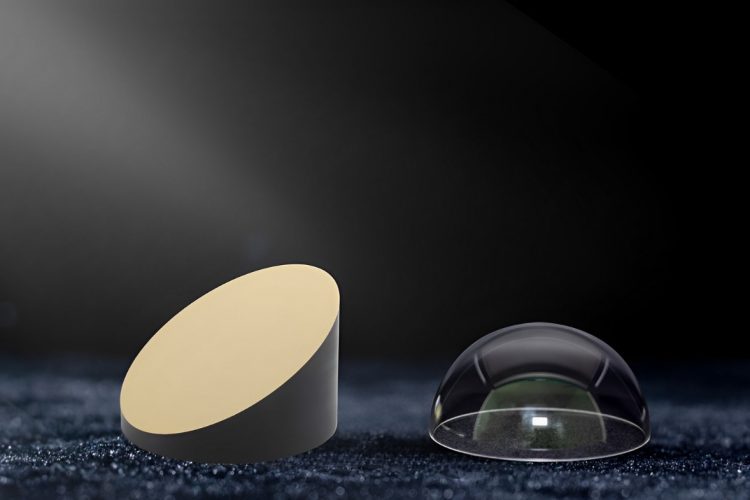
Parabolic mirrors eliminate on-axis spherical aberration, enabling precise focusing and collimation, while spherical mirrors are simpler and more cost-effective but introduce optical imperfections, requiring trade-offs between performance, size, and budget.
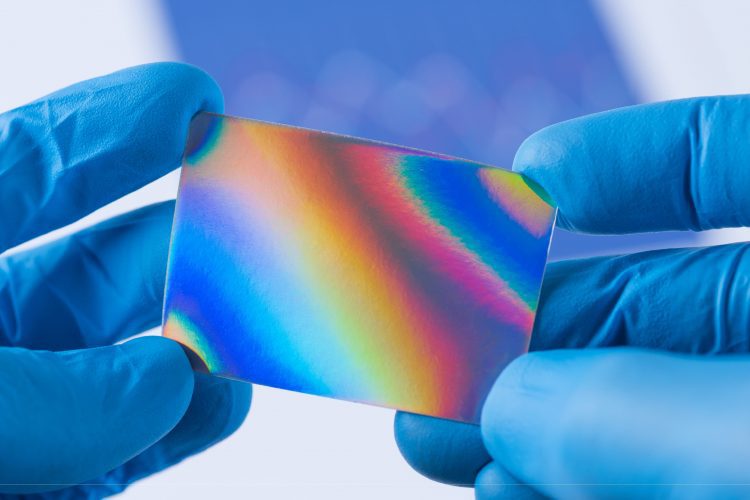
Optical coatings, including reflective and dielectric variants, enhance the performance of optical components.
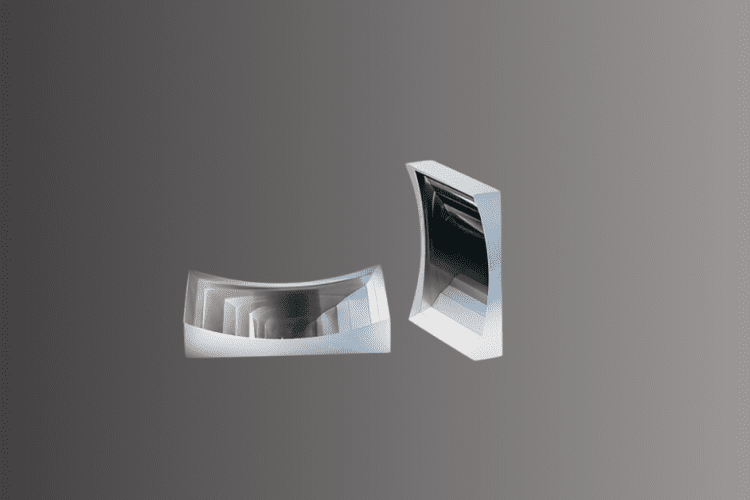
In high-performance optical engineering, cylindrical lenses are indispensable for breaking rotational symmetry and manipulating light in a single dimension. To integrate cylindrical optics effectively, critical engineering trade-offs are considered as theoretical design transitions to as-built reality.
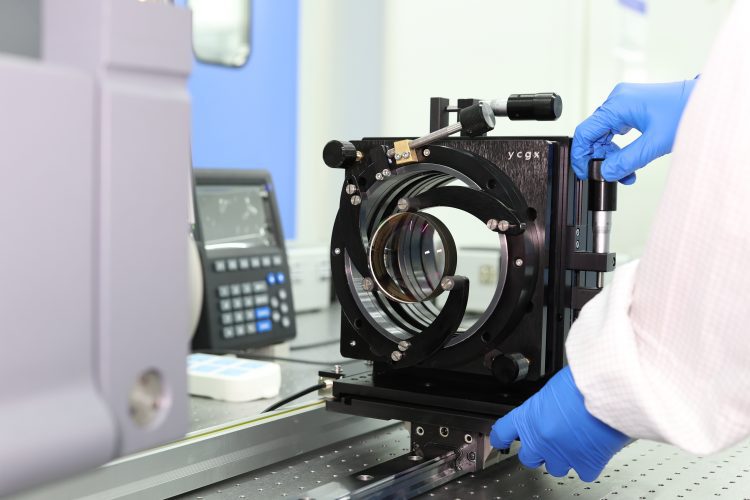
Optical surface accuracy is crucial for performance, measured using techniques like test plates, laser interferometers, and CGHs
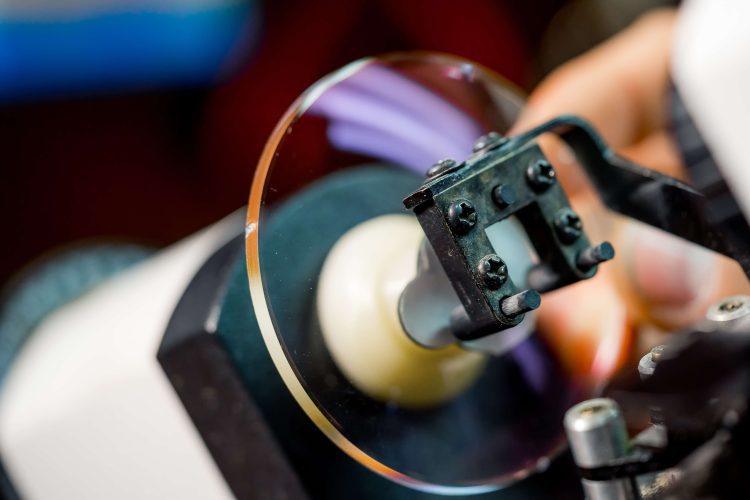
High precision optical tolerances are essential for ensuring the precise dimensions and quality of optical components.
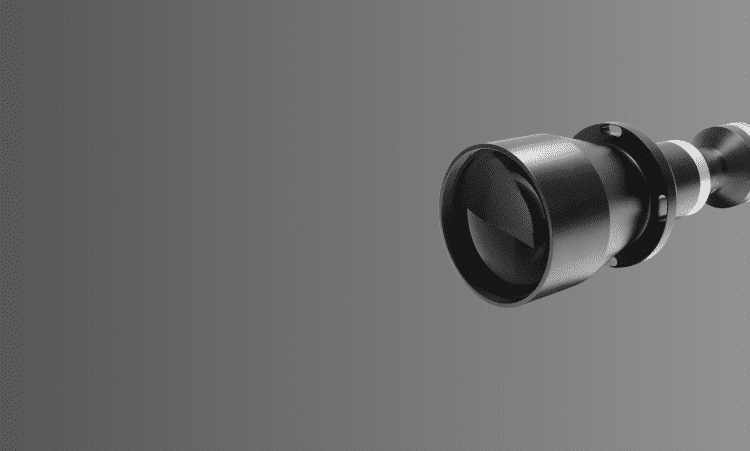
Telecentric lenses, differing from conventional ones, maintain a fixed working distance, ensuring consistent magnification.
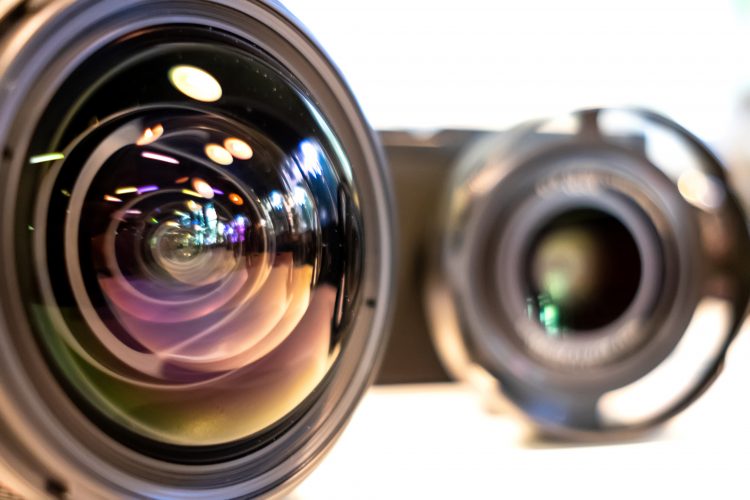
Both fisheye and wide-angle lenses are used in situations that need a wide field of vision. Either one provides an extensive visual angle. So, what distinguishes one from the other?