
Custom high-NA objective lenses achieve ultra-precise UV excitation and imaging in ion trap experiments, boosting fluorescence capture and quantum accuracy.
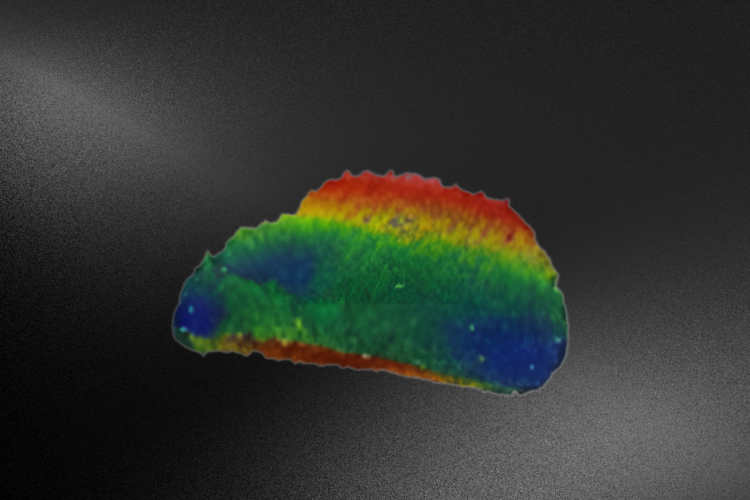

This second page of the Quantum computing tag extends the collection of articles dealing with optical technologies for quantum information systems. Readers will find additional discussions of how precision lasers, beam shaping optics, and integrated photonic devices enable state preparation, manipulation, and readout in a variety of quantum platforms. The content may address advanced topics such as error mitigation through improved optical stability, novel photonic architectures for scaling, or specialized coatings and materials compatible with cryogenic and vacuum environments. For teams deeply involved in quantum R&D, this page provides further examples and insights beyond the initial set of posts. It reinforces the idea that high-quality optical hardware and careful optical engineering are central to making quantum computing systems practical and reliable.
Custom high-NA objective lenses achieve ultra-precise UV excitation and imaging in ion trap experiments, boosting fluorescence capture and quantum accuracy.
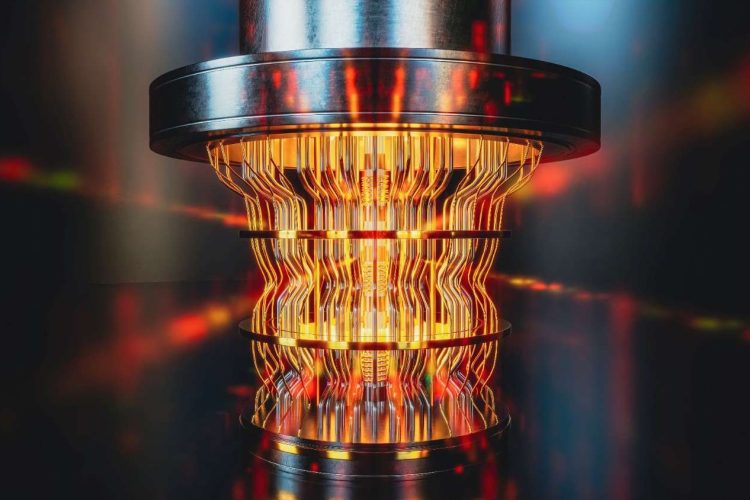
Objective lenses play a critical role in modern quantum computing platforms, essential for system fidelity and scalability. They enable tight beam focusing, collect fluorescence for qubit readout, and impact the overall resolution of the quantum architecture.
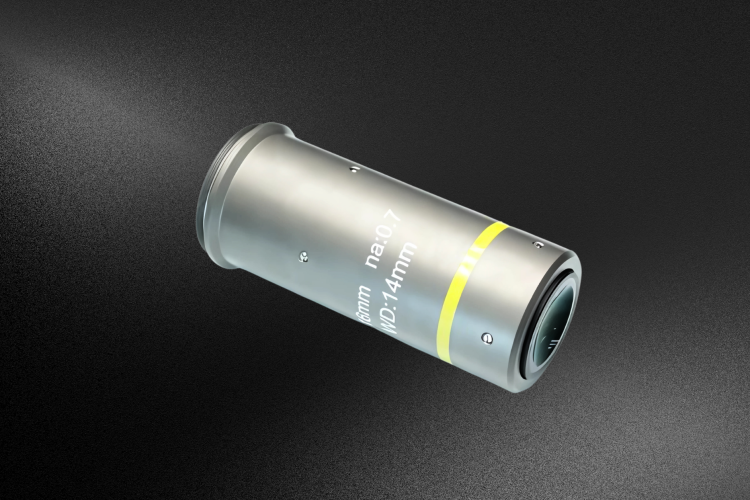
Optical tweezer technology is a tool that utilizes highly focused laser beams to capture and manipulate tiny particles, such as cells and nanoparticles.

Quantum photonics is the technology of optics on a quantum level. With applications ranging from quantum information processing to quantum computing and quantum communications

Optics for optical quantum computing are the key to ultra-fast computing system that work at— literally— the speed of light.