
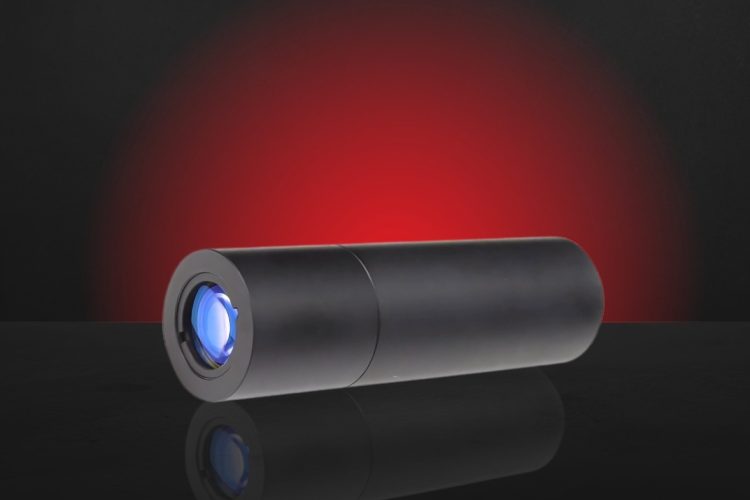
Finite conjugate tube lenses are optimized for fixed-distance imaging, offering precise magnification and strong aberration control. They are ideal for microscopy and inspection but require careful alignment.

The Life science tag focuses on optical components and systems tailored for biological and medical applications, from basic research to clinical diagnostics. Articles associated with this tag may cover microscope objectives, imaging assemblies, and illumination optics designed to capture fine cellular and tissue details with high contrast and resolution. Topics include compatibility with techniques such as fluorescence, phase contrast, confocal, and multiphoton imaging, as well as considerations like numerical aperture, working distance, and chromatic correction. The tag can also highlight optical designs used in diagnostic instruments, endoscopy, and biomedical devices where compact, robust systems are needed in labs, clinics, or operating rooms. For scientists, instrument developers, and medical device engineers, these resources illustrate how customized optics can improve signal quality, reduce noise, and support advanced analytical methods. Avantier’s expertise in life science optics helps bridge the gap between experimental requirements and manufacturable imaging solutions.
Finite conjugate tube lenses are optimized for fixed-distance imaging, offering precise magnification and strong aberration control. They are ideal for microscopy and inspection but require careful alignment.
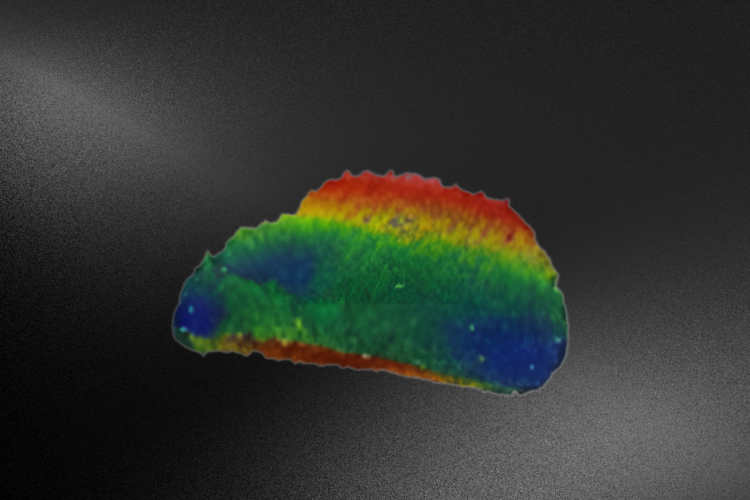
Custom high-NA objective lenses achieve ultra-precise UV excitation and imaging in ion trap experiments, boosting fluorescence capture and quantum accuracy.

Custom-designed optics enable significant performance enhancements in resolution, sensitivity, and speed in wavefront sensor applications; Key for telescope alignment and interferometer stabilization to advanced imaging and beam-shaping systems.

Optical Coherence Tomography (OCT) is a powerful, non-invasive imaging technique that delivers real-time cross-sectional views of biological tissues; the ability and micrometer-scale resolution rely heavily on the quality and precision of its optical components.

Diffuse Optical Tomography (DOT) is a medical imaging technique that uses NIR light to measure the optical properties of biological tissue. By analyzing light absorption and scattering from chromophores like hemoglobin, it enables non-invasive, real-time imaging of tissue oxygenation, composition, and functional activity.

A global leader in agricultural genetics and reproduction services approached us to address problems they were facing related to the cost and durability of microscope objective lenses.
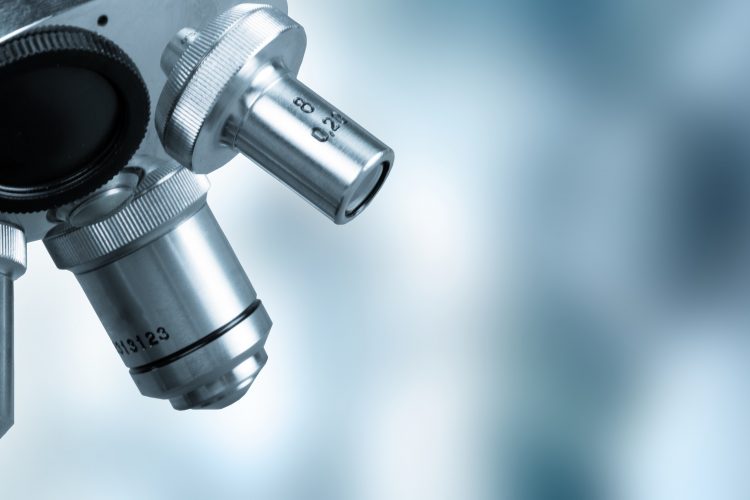
Avantier showcases innovative efficiency in custom high NA long working distance objective lens development for microscope manufacturers.

Advantages of Aspheric Lenses over spherical ones include reduced aberration and improved peripheral vision, enhancing overall visual clarity.

Biophotonics, an interdisciplinary field, explores the interrelationship between biology and optics. It encompasses technologies that utilize light to analyze, detect, and manipulate biological information.
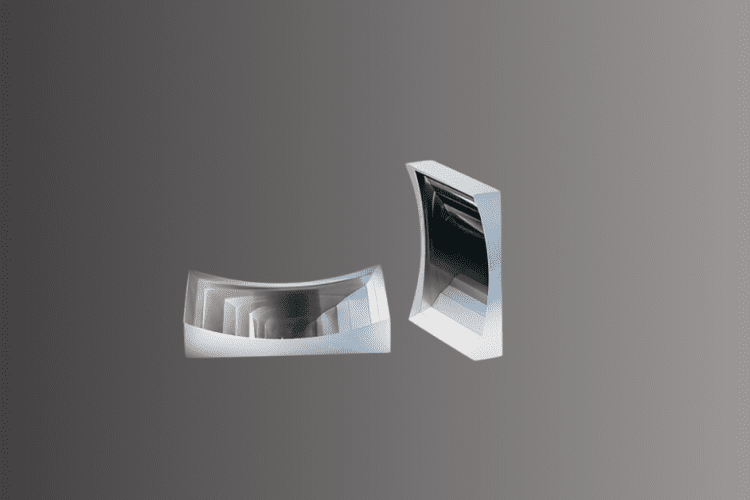
Optimize cylindrical lens performance by managing rotational alignment, tolerance stack-up, and metrology protocols in precision optical systems.