Optical coatings manipulate the fundamental properties of light—reflection, transmission, polarization, and spectral distribution—through thin-film engineering that enhances performance in advanced optical systems.
The Laser optics tag brings together content on components and assemblies that manage, shape, and deliver laser beams in a wide range of systems. Articles may cover focusing and collimating lenses, mirrors, beam expanders, and specialty optics designed for high-power, ultrafast, or multiwavelength lasers. Key topics include managing aberrations, minimizing ghost reflections and hot spots, and selecting materials and coatings that handle high intensities without damage. The tag likely touches on applications in materials processing, medical devices, scientific research, and communications, emphasizing how tailored optical designs improve efficiency, precision, and safety. For engineers responsible for integrating lasers into equipment, these resources offer insights into beam quality requirements, alignment considerations, and environmental robustness. They also highlight how Avantier’s custom design and manufacturing capabilities enable optimized laser optics that align with the specific power, wavelength, and beam profile characteristics of each system.
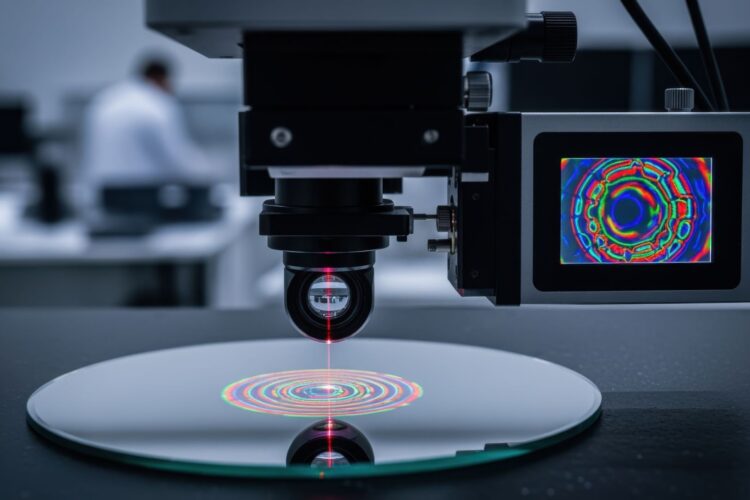
Optical coatings manipulate the fundamental properties of light—reflection, transmission, polarization, and spectral distribution—through thin-film engineering that enhances performance in advanced optical systems.
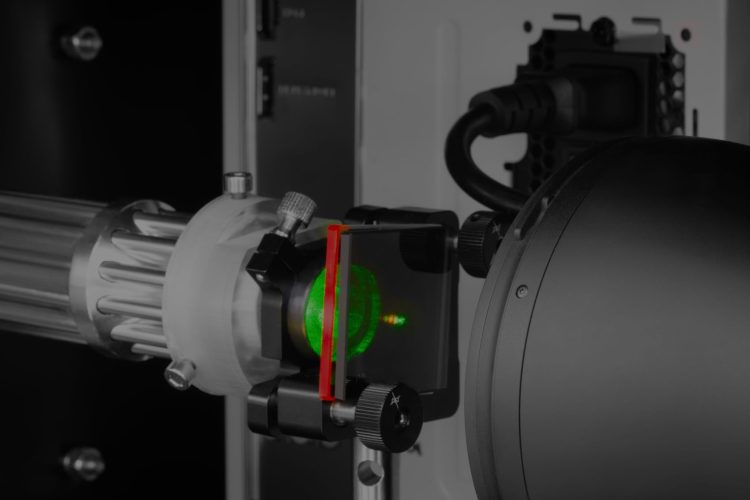
Fiber and CO₂ lasers differ in wavelength, efficiency, and applications: fiber lasers excel in precise, efficient metal processing, while CO₂ lasers remain ideal for non-metals and biological materials. The choice depends on application, however hybrid systems are also emerging.
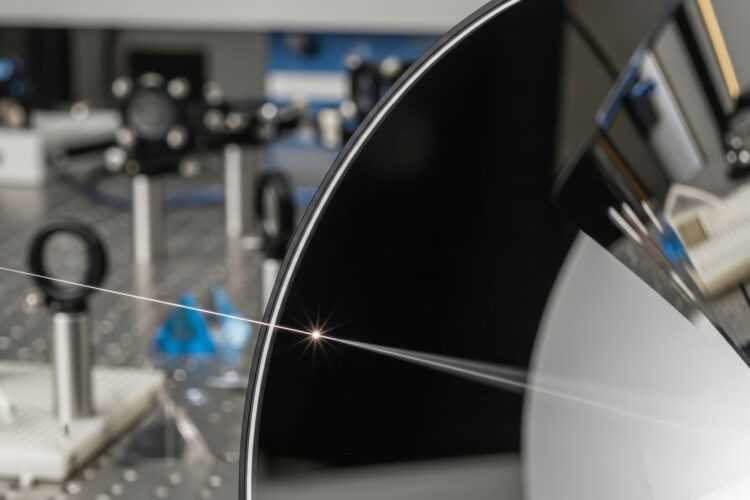
Discover what laser optics are used for in various fields, from medicine to manufacturing, enhancing innovation and precision.
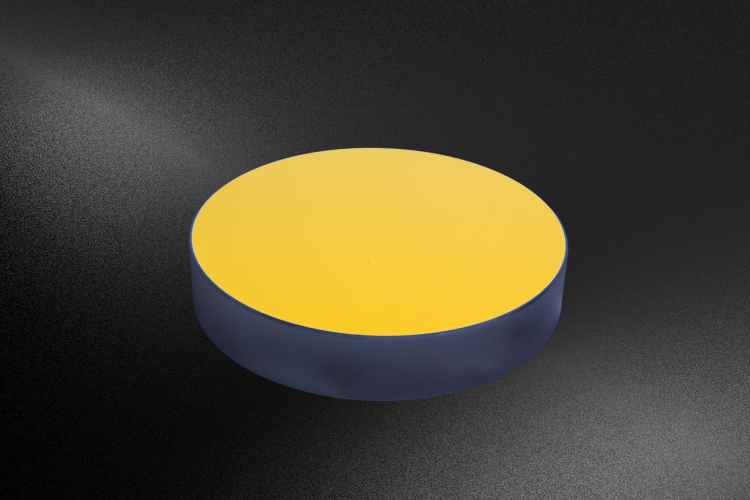
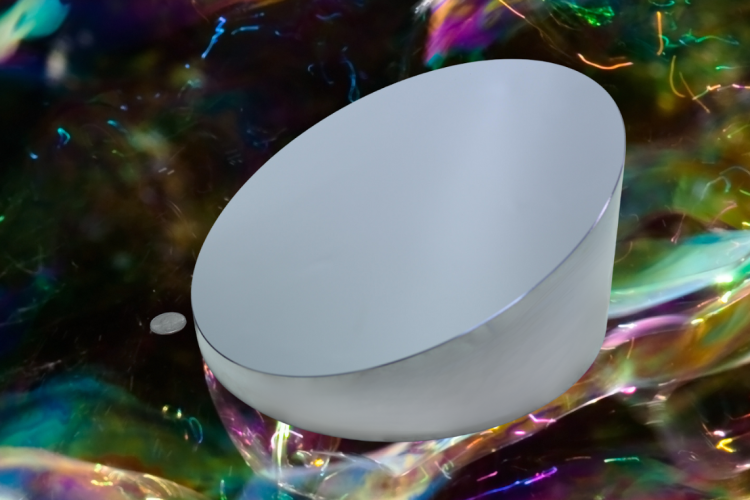
Off-axis parabolic (OAP) mirrors are indispensable components in modern optical systems, offering precision and versatility in a variety of applications.
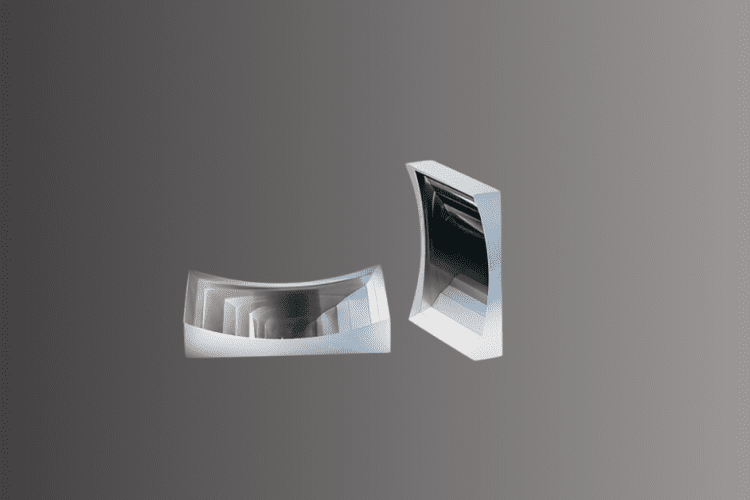
Optimize cylindrical lens performance by managing rotational alignment, tolerance stack-up, and metrology protocols in precision optical systems.