
Maintaining stable imaging performance across temperature ranges is critical for thermal imaging; Read about how chalcogenide glass was used as a next-gen optical material, showcasing Avantier’s commitment to innovation.
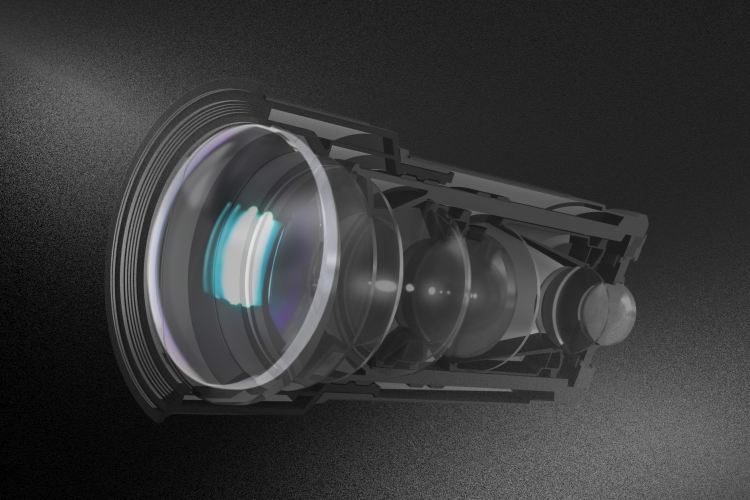

The IR lenses tag focuses on infrared optics designed for thermal imaging, sensing, and other IR applications across industry, defense, and research. Articles here cover lenses that operate in various IR bands, describing how material selection, coatings, and lens design control transmission, aberrations, and stray light. Typical applications include handheld and fixed thermal cameras, security and surveillance systems, industrial temperature monitoring, and scientific instruments that rely on IR signatures. The tag may also discuss challenges like maintaining performance over wide temperature ranges, protecting optics with durable coatings or windows, and integrating IR lenses with detectors and mechanical housings. For system designers, this tag provides a useful overview of what is possible with custom and standard IR lenses and how they can be optimized for specific spectral bands and environmental conditions. It reflects Avantier’s experience in delivering high-quality IR optics for both prototyping and volume production.
Maintaining stable imaging performance across temperature ranges is critical for thermal imaging; Read about how chalcogenide glass was used as a next-gen optical material, showcasing Avantier’s commitment to innovation.

Athermal optical systems are engineered to maintain consistent performance across a wide range of temperatures without the need for active thermal compensation.

Application of DLC film: Diamond-like hardness, corrosion resistance, and high transmittance make DLC ideal for enhancing infrared lenses.

Explore SWIR hyperspectral camera lenses, blending short-wave infrared technology with hyperspectral imaging for detailed spectral analysis.
SWIR imaging with InGaAs sensors and SWIR cameras captures details not visible with standard visible light by detecting SWIR light.
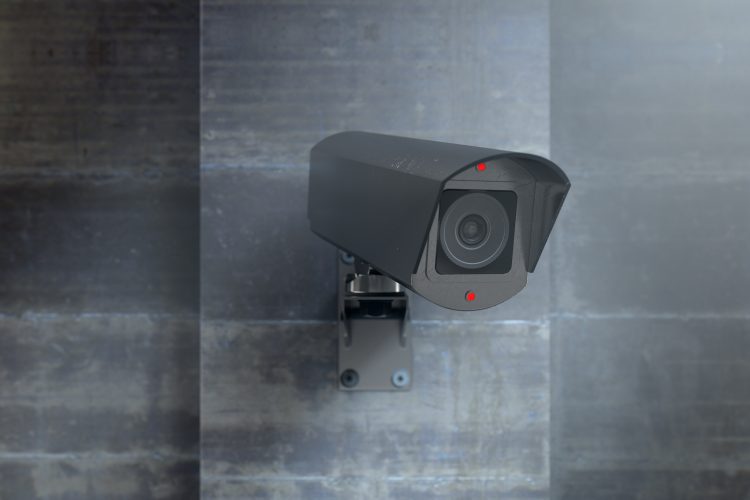
In order to ensure the seamless functioning of a high-performance optical system, it is essential to establish a foundation comprising suitable mechanical components that are well-maintained and accurately aligned.