
Reverse optical engineering, including lens reverse engineering, entails comprehending the functionality of existing optical components or systems through examination.
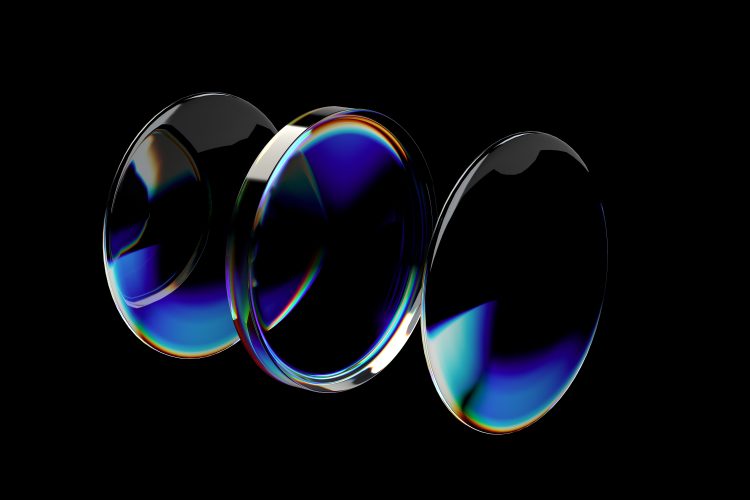

Reverse optical engineering, including lens reverse engineering, entails comprehending the functionality of existing optical components or systems through examination.
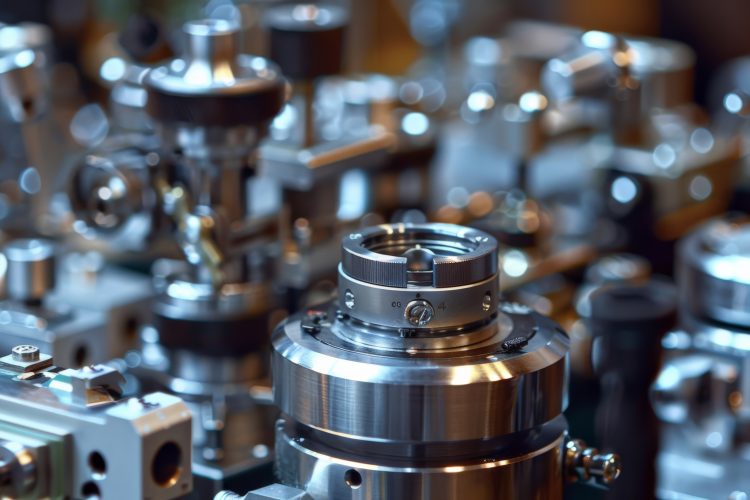
Reverse optical engineering analyzes existing optical systems to recreate or improve them without original designs. It involves testing, disassembly, data capture, and redesign to achieve accurate, cost-effective lens replication.

Laser optics in skincare are vital for tattoo removal and skin rejuvenation, targeting chromophores with precise wavelengths and pulses.
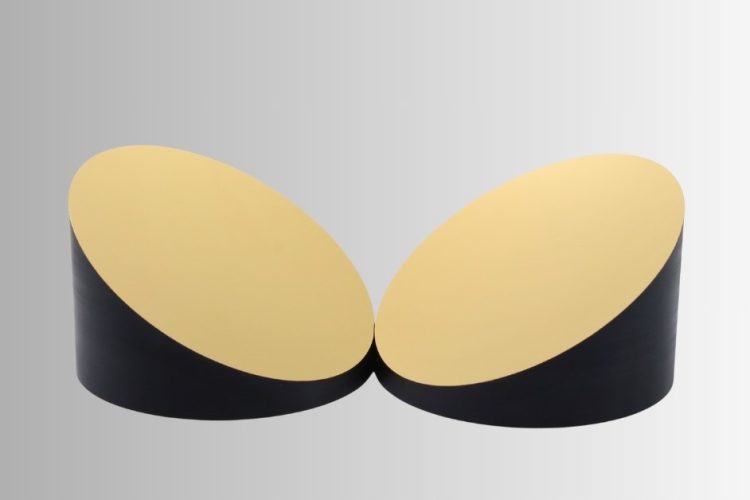
Discover the key considerations and design specifications for off-axis parabolic mirrors in high-performance optical systems.

Infinite Conjugate Long Working Distance Microscope Objectives offer high magnification and more flexibility than finite conjugate systems.
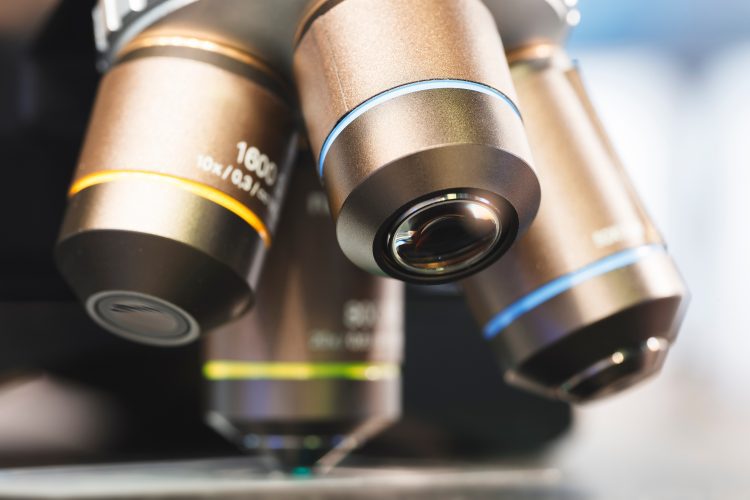
In the realm of optical instrument design, reflective microscope objectives represent a groundbreaking approach, conquering chromatic aberration and achieving diffraction-limited performance across a vast wavelength range.
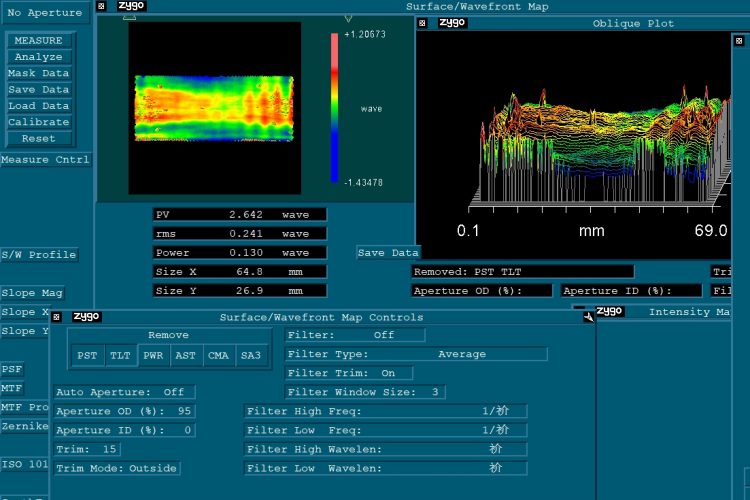
Freeform optics design enhances FOV and functionality compared to traditional optics, but requires advanced manufacturing techniques.
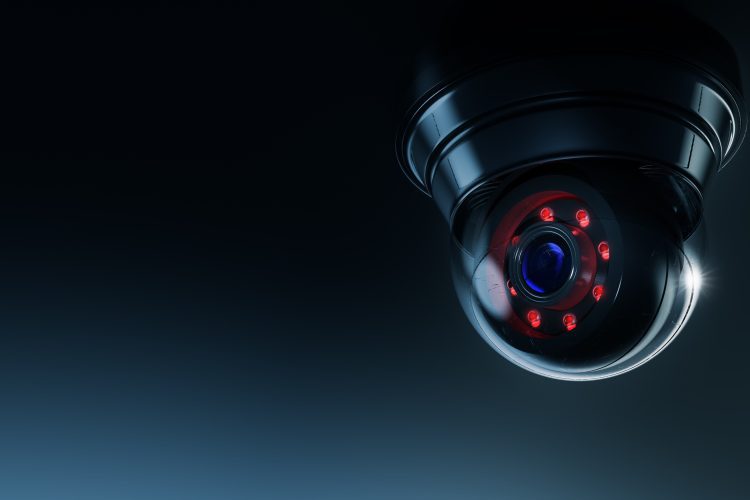
While visible light cannot penetrate well in water vapor, SWIR cameras can product clear, high resolution images even when the human eye is unable to clearly see anything; SWIR light penetrates fog and smoke better than visible light, unaffected by heat, haze and atmospheric variations.

Infrared sensors and advanced optics enable drones to capture high-quality imagery in harsh conditions, detecting heat signatures from warm objects and expanding applications in surveillance, research, agriculture, and rescue missions.
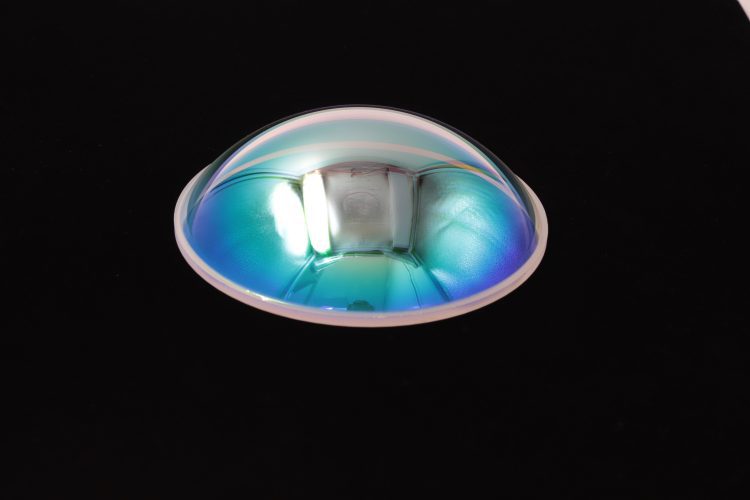
Optical domes provide protection for sensitive optical components in harsh environments and demanding conditions. Learn about the multifaceted applications of optical domes and how different materials provide advantages in protecting and enhancing your optical equipment.