
Outsourcing optical engineering offers flexible access to specialized expertise, reducing costs and delays from hiring, while enabling faster project execution and improved efficiency.


Outsourcing optical engineering offers flexible access to specialized expertise, reducing costs and delays from hiring, while enabling faster project execution and improved efficiency.
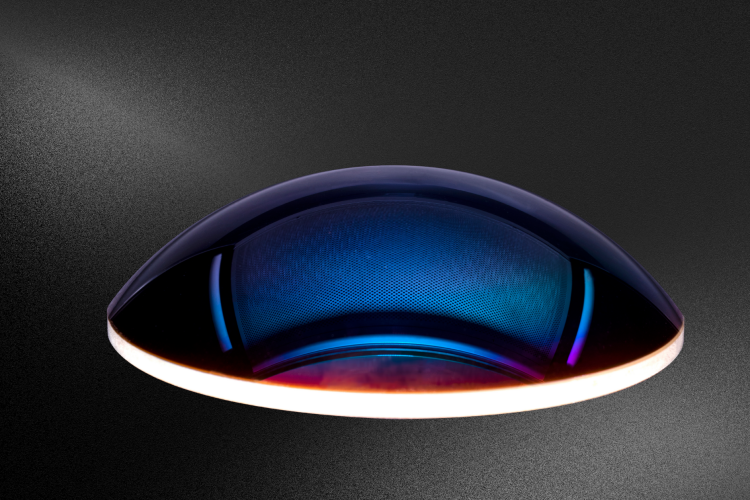
Explore how Avantier successfully designed and manufactured airborne optical systems for a defense client, working around challenges including material cost constraints, machinery risks, optical performance and mechanical demands.

Learn how Avantier engineered a mission-ready 75° lens for high-accuracy underwater imaging, highlighting precision design, environment-specific testing, and iterative refinement, showcasing Avantier’s commitment to excellence and your specific mission requirements.
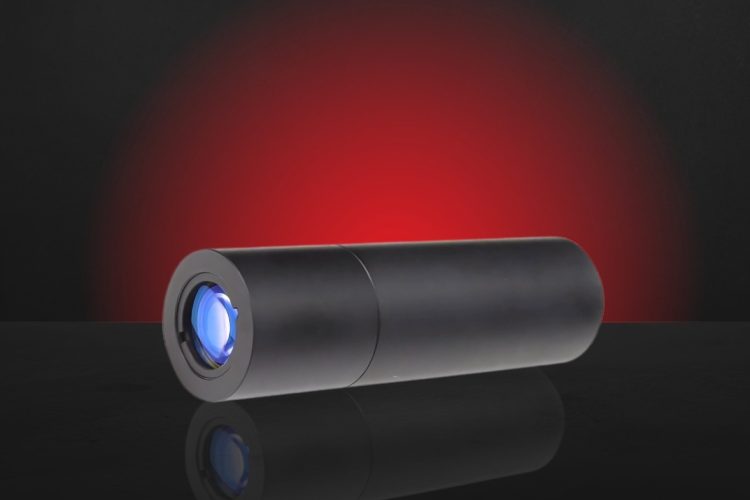
Finite conjugate tube lenses are optimized for fixed-distance imaging, offering precise magnification and strong aberration control. They are ideal for microscopy and inspection but require careful alignment.
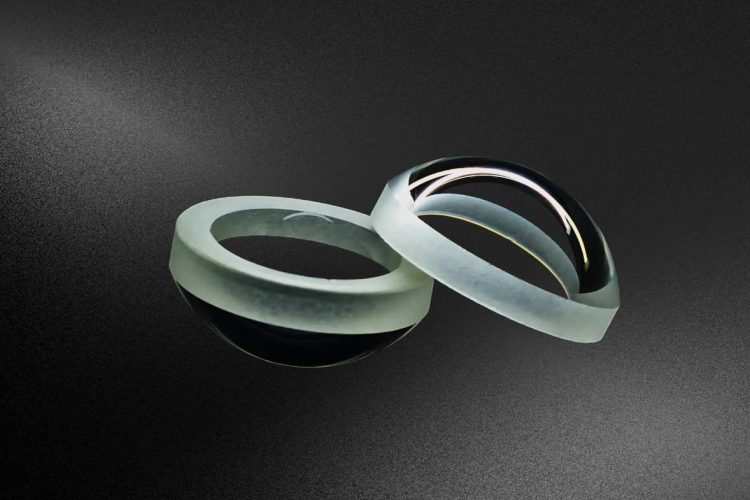
Learn how Avantier partnered with a global leader in medical laser technology to replace outdated systems with advanced germanium lenses for critical applications like laser surgery and thermal diagnostics.

ISO 10110 is a global standard for representing optical components in technical drawings, ensuring clear communication between designers and manufacturers while defining specifications critical to precision lens design.
Optics in satellites and space instruments rely on passive thermal management to maintain performance. Engineers must ensure thermal stability using passive stabilization techniques and athermal optical design, responding to optical component behavior in orbit
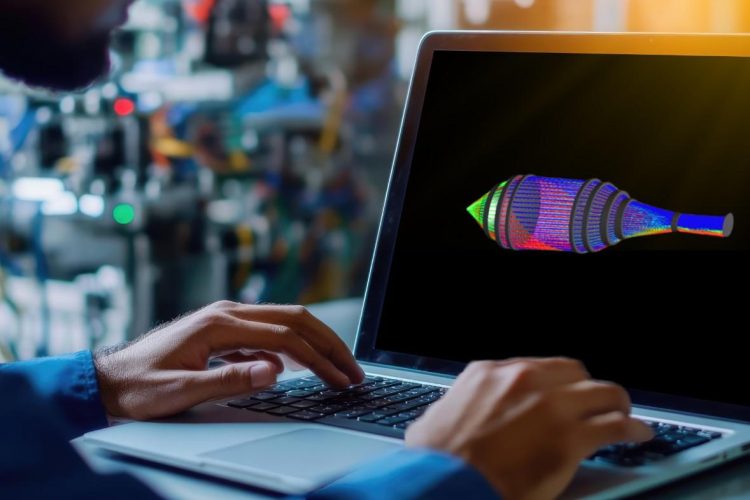
When optical systems are critical to your project— especially in spaceborne, biomedical, precision and autonomous settings, performance margins are narrow and error tolerance is minimal. Small design oversights can cause issues and compromised performances, and it is recommended to consult an optical engineer.
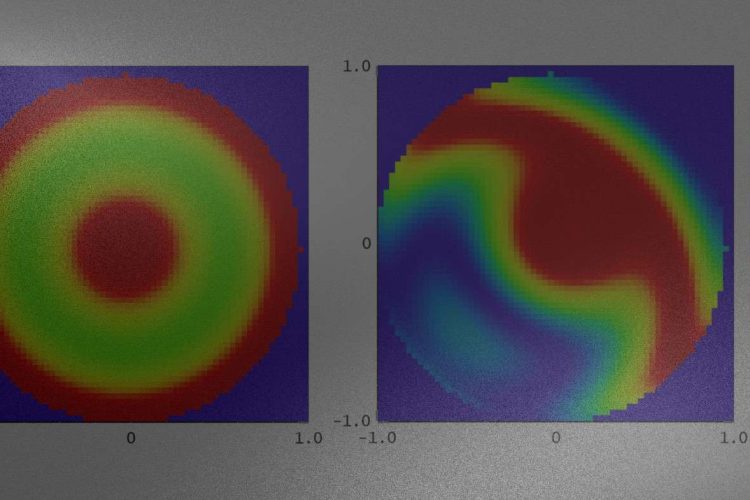
By combining sophisticated algorithms, modular scanning, and intelligent calibration, Subaperture stitching interferometry (SSI) provides unmatched test results even on the most challenging optical systems. As it integrates AI and hybrid sensing methods, SSI will continue to lead the future of precision optical testing.
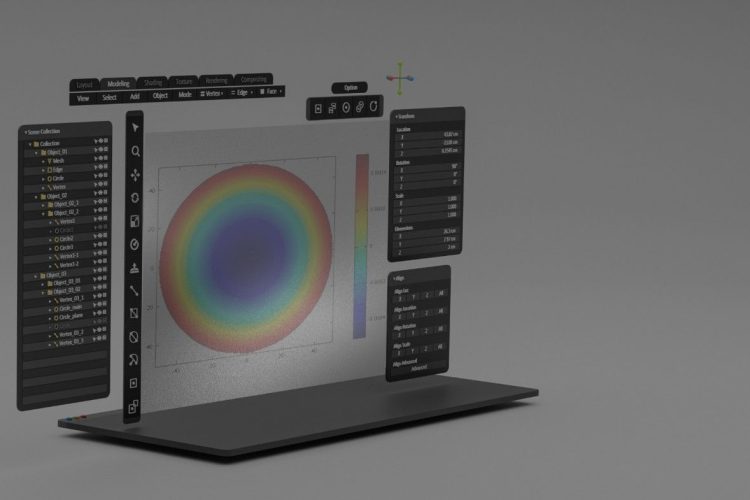
Wavefront error budgets define allowable optical distortions across telescope components, ensuring nanometer-level precision. Managing surface, alignment, coating, and thermal effects is critical for reliable, high-quality space imaging.