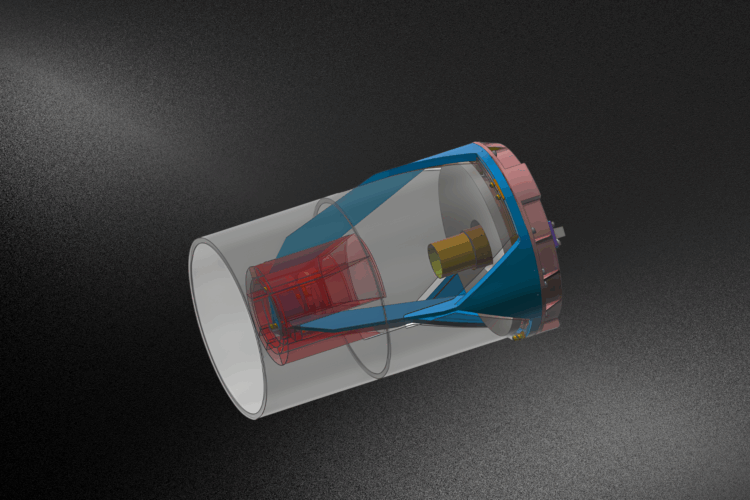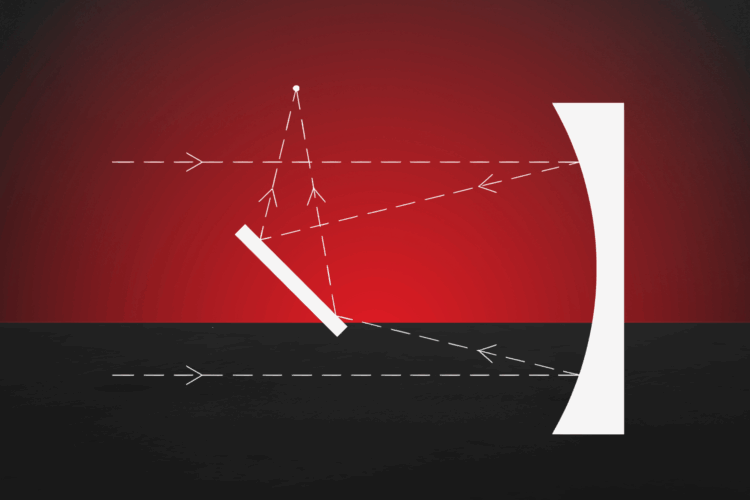

Key Takeaways This case study presents the development of a sub-meter high-resolution optical payload that redefines the balance between optical precision and mass efficiency. Leveraging space-proven technical heritage, the project successfully integrated a coaxial reflective optical system with a correction lens group to achieve diffraction-limited imaging performance. The resulting lightweight remote sensing camera achieves a […]