
Physics-driven comparison of freeform optical measurement and large-aperture metrology using confocal and interferometric approaches.
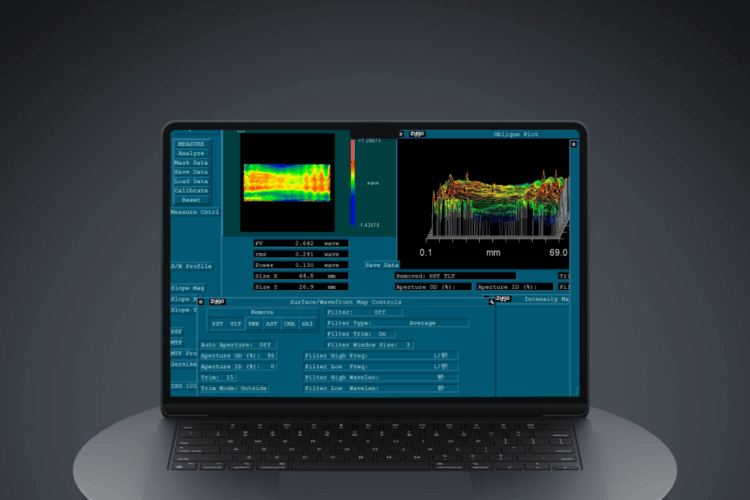

The Metrology tag organizes content about optical components and systems used for precision measurement of dimensions, surfaces, and optical properties. Articles may discuss telecentric lenses, interferometric setups, and specialized imaging optics that help achieve high accuracy and repeatability in inspection and calibration tasks. Topics include control of distortion, depth of field, and alignment, as well as the role of stable mechanics and environmental considerations in maintaining measurement integrity. The tag can feature applications ranging from semiconductor and electronics inspection to mechanical part metrology and optical testing. For engineers developing or specifying measurement equipment, these resources highlight how tailored optics and assemblies influence system performance, throughput, and ease of calibration. They also showcase Avantier’s experience in collaborating on metrology projects where optical design and manufacturing quality directly impact instrument capability.
Physics-driven comparison of freeform optical measurement and large-aperture metrology using confocal and interferometric approaches.
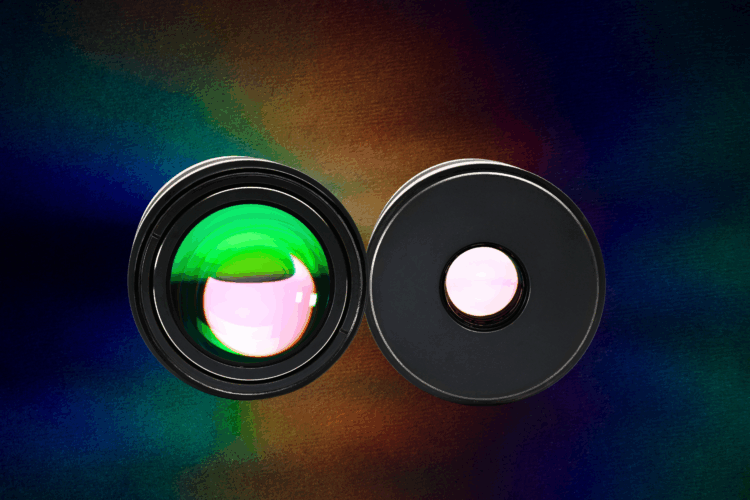
Throughput Decoupling:Next-generation High-NA Multi-Mirror Array Objectives break the resolution-speed trade-off, reducing 12-inch wafer inspection to <8 minutes. Yield Economics: High-NA optics increase defect capture from 70% to 99.2%, driving 15–20% annual yield recovery in sub-3nm nodes.
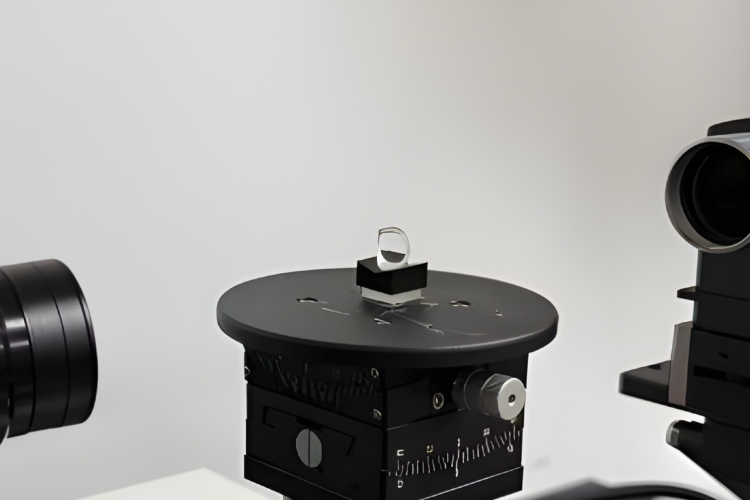
Cylindrical lens metrology protocols are essential for bridging the gap between theoretical optical design and high-performance manufacturing. As industrial applications push for tighter tolerances, moving toward advanced interferometric characterization is a requirement for system-level precision.
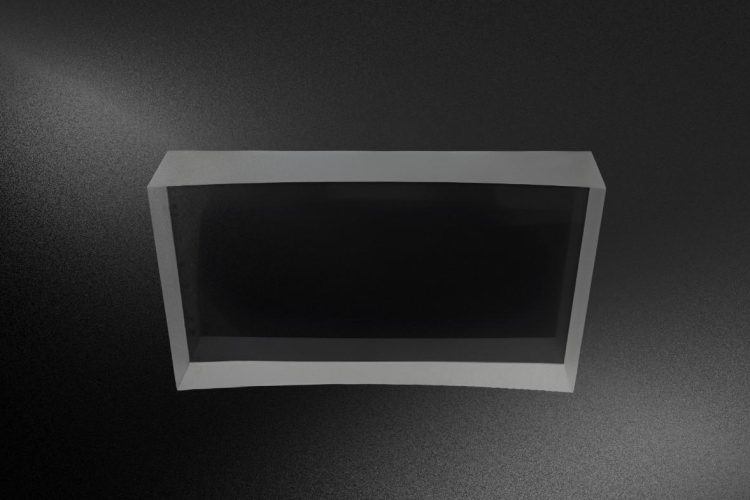
Cylindrical lenses focus incident light onto a focal line, playing an indispensable role in laser beam shaping, linear array scanning, spectral analysis, and optical fiber communications.
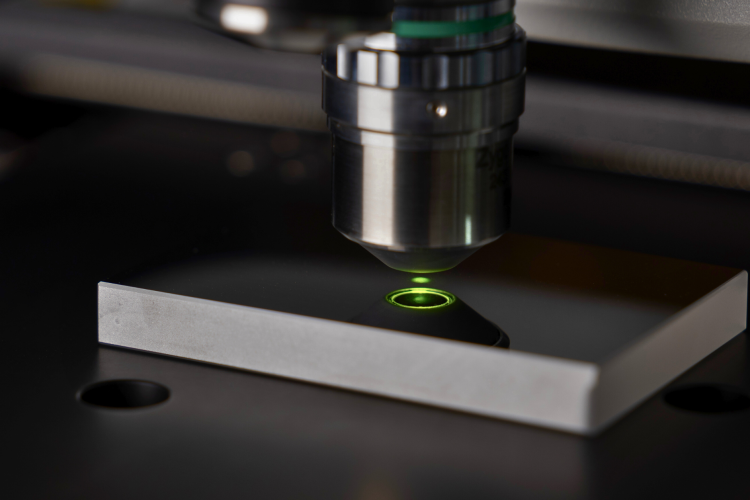
Key Takeaways: Surface roughness, surface texture, surface finish, surface roughness measurement, profilometer, Ra value, Rq roughness, and high-precision optics are essential for controlling optical performance. Nanometer-scale roughness causes light scattering, distortion, and lowers laser damage thresholds. Surface roughness results from manufacturing methods, material structure, and environmental effects. Tools like profilometers and AFM provide accurate surface […]
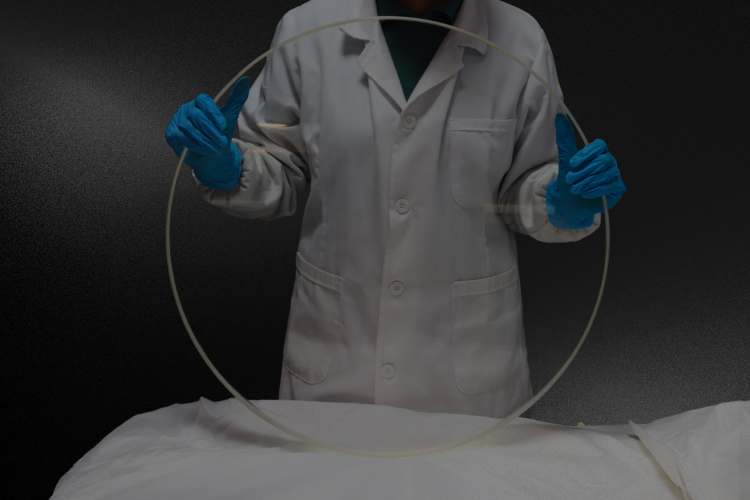
Explore Avantier’s extensive engineering capabilities through large optical components; multiple case studies showcase Avantier’s durable, accurate and stable engineering tailored for various applications.
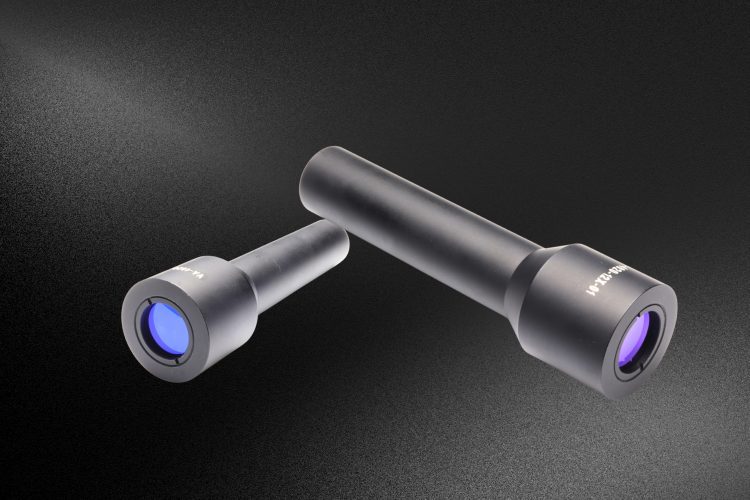
Achromatic beam expanders are necessary for systems using multiple wavelengths; Explore Avantier’s innovative active assembly design, avoiding adhesives to ensure high transmission efficiency while meeting diffraction limits for specific wavelengths.
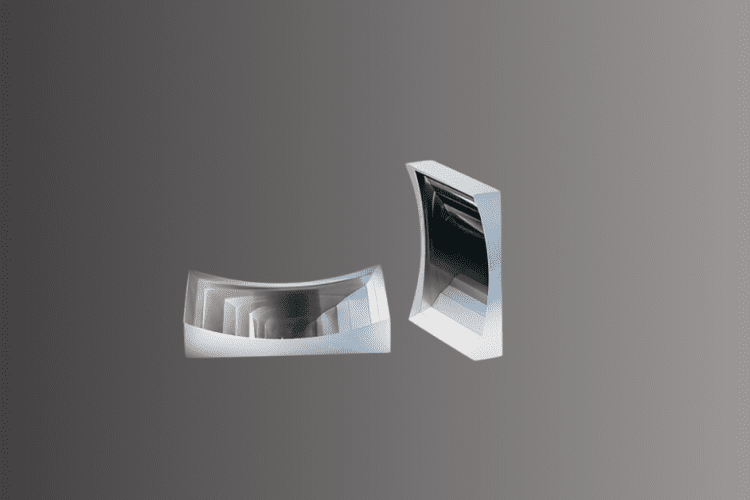
Optimize cylindrical lens performance by managing rotational alignment, tolerance stack-up, and metrology protocols in precision optical systems.