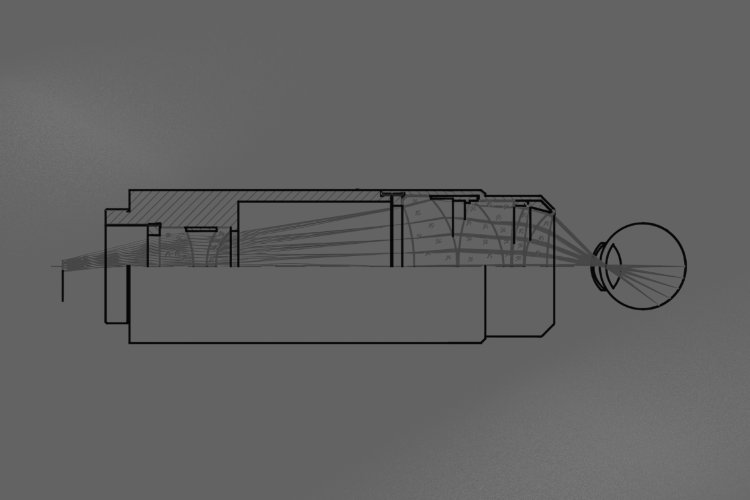
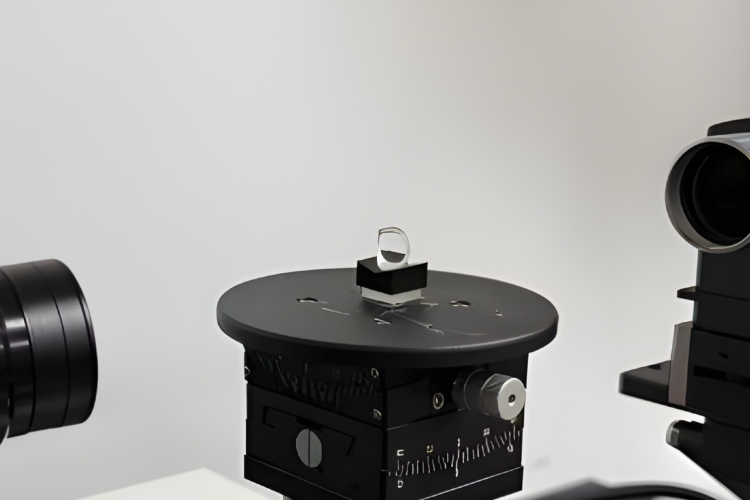
Metrology Protocols for Precision Cylindrical Lenses

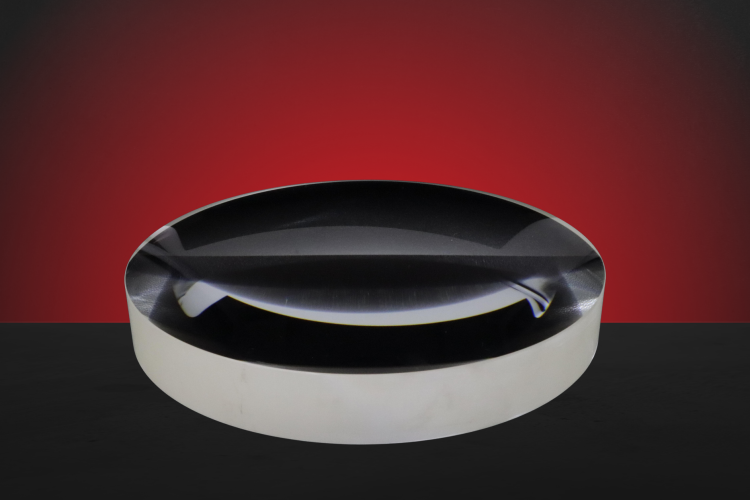
Key Takeaways Asymmetric Precision: Standardizing cylindrical lens metrology is crucial for mitigating “smile” distortion and beam steering caused by optical-mechanical axis misalignment. Advanced Centering Protocols: Moving beyond mechanical inspection to laser phase-shift interferometry enables the detection of axial tilt and eccentricity with sub-arc-second resolution. Imaging Quality Assurance: Utilizing Transmitted Wavefront Error (TWE) analysis and focal […]
Read more
Optical Path Optimization: System Integration through Precision Telecompressor Technology
Optical Path Optimization System Integration through Precision Telecompressor Technology

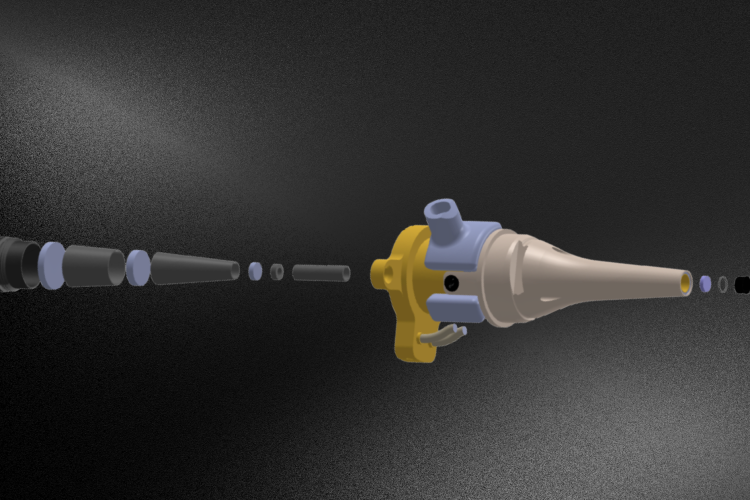
Key Takeaways The Precision Telecompressor optimizes optical systems by intelligently mapping full-frame lens performance onto smaller industrial sensors. By compressing the image field, it restores the native field of view and concentrates luminous flux, providing a one-stop aperture gain and improved Signal-to-Noise Ratio (SNR). This engineering solution enhances MTF (resolution density) and compensates for sensor-lens […]

Read more
Precision Manufacturing of Large-Aperture Spherical Lenses
large-aperture spherical lens, optical precision, lens manufacturing, ion beam polishing, magnetorheological finishing, interferometry optics, semiconductor lithography lens

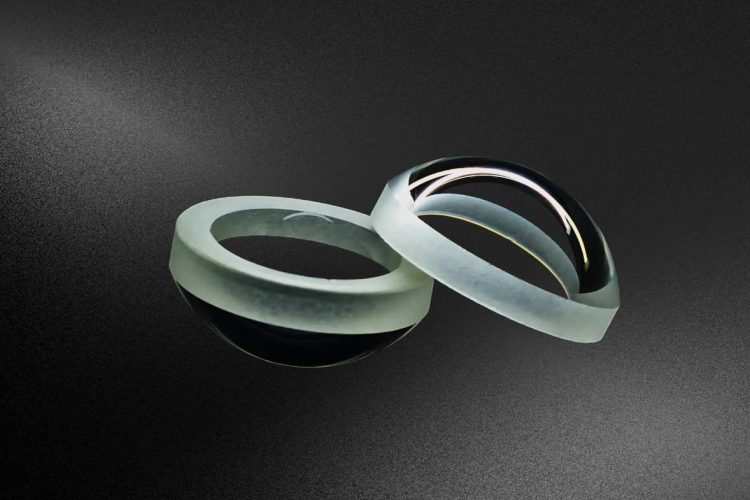
Solutions for the Performance Boundaries of Large-Aperture Spherical Lenses Abstract In the era of rapid advances in optoelectronic technology, large-aperture spherical lenses act as the “core pupil” of modern optical systems. Their performance determines the imaging precision and beam-control capability of high-end equipment—from deep-space telescopes to nanoscale lithography systems. Achieving nanoscale surface accuracy on millimeter-scale […]

Read more
Technical Comparison: CO₂ Lasers vs. Fiber Lasers

Key Takeaways Fiber lasers (1.06 μm) excel in aerospace, defense, and medical sectors due to superior beam quality, efficiency (30–40%), compact design, and strong metal absorption, making them ideal for precision welding, micro-drilling, and high-energy defense systems. CO₂ lasers (10.6 μm) remain unmatched for non-metals and biological tissues, excelling in composites, ceramics, polymers, and soft-tissue […]

Read more
Precision Optical Design for Advanced Wavefront Sensors

Key Takeaways Advanced wavefront sensors are fundamental to high-precision optical metrology and control across fields such as ophthalmology, semiconductor inspection, astronomy, and emerging space and laser systems. Their performance depends on refined optical design—particularly custom microlens arrays, coatings, and detectors that enhance accuracy, sensitivity, and dynamic range. This article explores how tailored optics and adaptive […]

Read more
Optics for Micron-Scale Resolution & Low-Noise OCT
Optics for Micron-Scale Resolution & Low-Noise OCT, biomedical, life science, OCT

Key Takeaways Optical Coherence Tomography (OCT) relies fundamentally on High-Precision Optics for its unparalleled imaging capabilities.  Key OCT System Optical Components, like OCT Scan Lenses, OCT Beam Splitters, and OCT Collimators, must meet strict tolerances for wavefront quality and dispersion.  Achieving superior image contrast and resolution hinges on minimizing aberrations.  Manufacturing these components presents challenges […]

Read more
How Does Diffuse Optical Tomography Work?

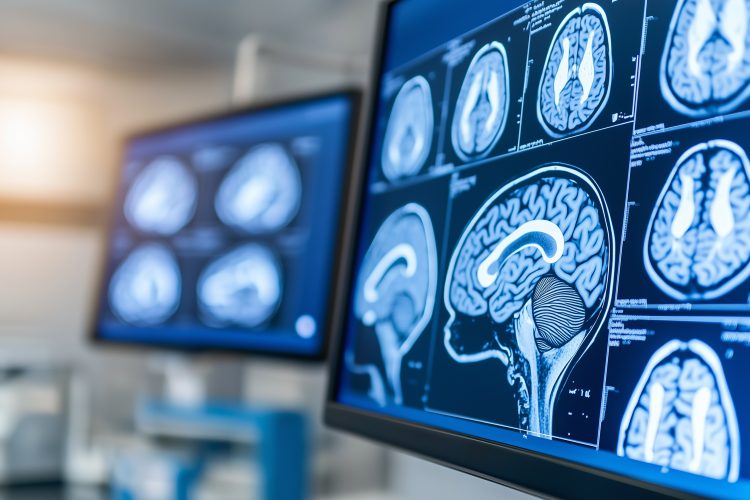
Key Takeaways Diffuse Optical Tomography (DOT) is a non-invasive imaging technique using near-infrared light to visualize optical properties of soft tissue, such as brain or breast tissue.  By analyzing light absorption and scattering due to chromophores like hemoglobin, DOT enables real-time imaging of tissue oxygenation and composition.  Techniques include time, frequency, and steady-state domain systems.  […]

Read more
Case Study: Eye Lesion Detection Medical Lens
eye lesion detection lens, Lesion Detection Lens, detection lenses, medical lens, medical lenses

Discover how Avantier designed long- and zero- distance eye lesion detection lenses for infants and other patients; Optical designers had to consider precision, patient comfortability and helping to innovate future diagnosis techniques.

Read more