
Physics-driven comparison of freeform optical measurement and large-aperture metrology using confocal and interferometric approaches.
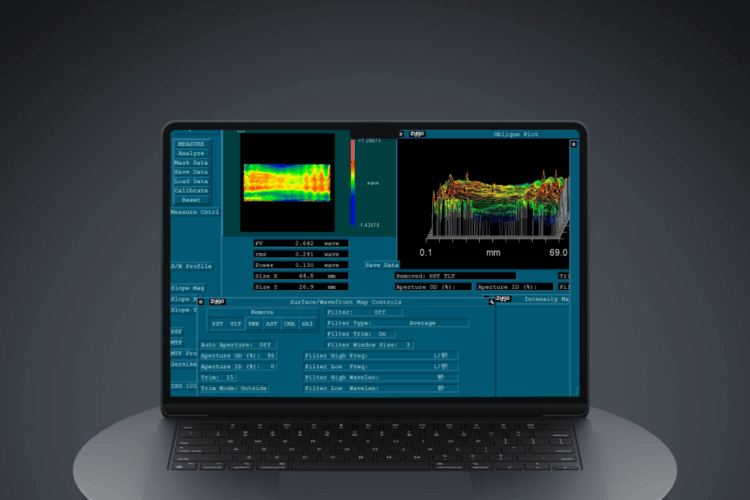

The Large aperture optics tag highlights lenses and mirrors with substantial diameters that are used in telescopes, high-energy laser systems, and other advanced imaging or illumination applications. Articles under this tag explore the technical challenges of fabricating, handling, and testing large optics while maintaining tight surface accuracy, homogeneity, and coating performance. Readers learn about structural and lightweighting strategies, mounting and support designs, and metrology approaches needed to ensure stable performance under gravity, temperature changes, and mechanical loads. Applications may span astronomy, space payloads, long-range surveillance, and large-scale laser or lithography tools. For engineers and program managers planning systems that rely on large apertures to gather light or deliver energy, this tag provides insights into realistic tolerances, risks, and timelines. It also demonstrates Avantier’s capabilities in delivering large, high-quality optics that meet demanding specifications for both ground-based and spaceborne platforms.
Physics-driven comparison of freeform optical measurement and large-aperture metrology using confocal and interferometric approaches.
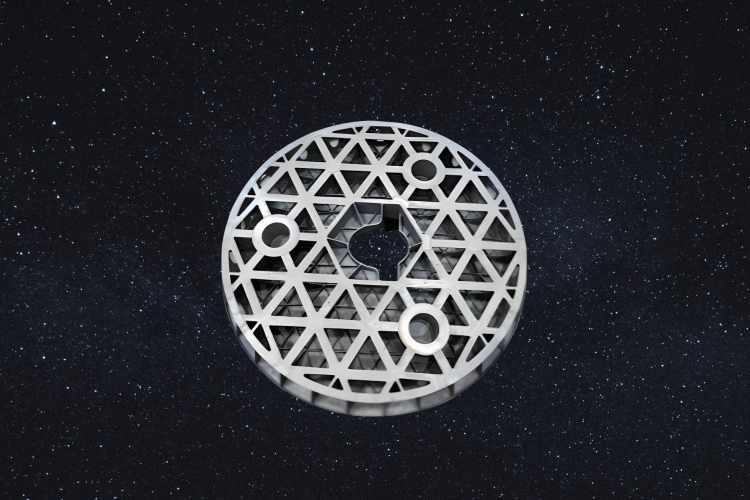
Supporting future mission like LUVIOR and HabEx, Avantier’s successful development of the Φ1.1 m RB-SiC mirror will foster new discoveries, offering clearer views of our universe with unprecedented efficiency and precision.
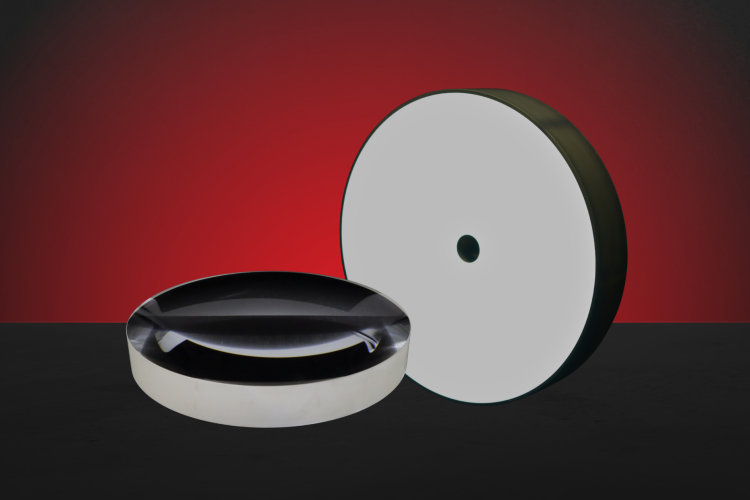
Key Takeaways Aperture size is a fundamental parameter in optical system design and a primary driver of imaging and measurement performance. By enabling the collection of more light, larger apertures support higher spatial resolution, improved sensitivity, and enhanced signal-to-noise ratio (SNR). These advantages result in sharper imagery, more accurate measurement data, and greater overall system […]
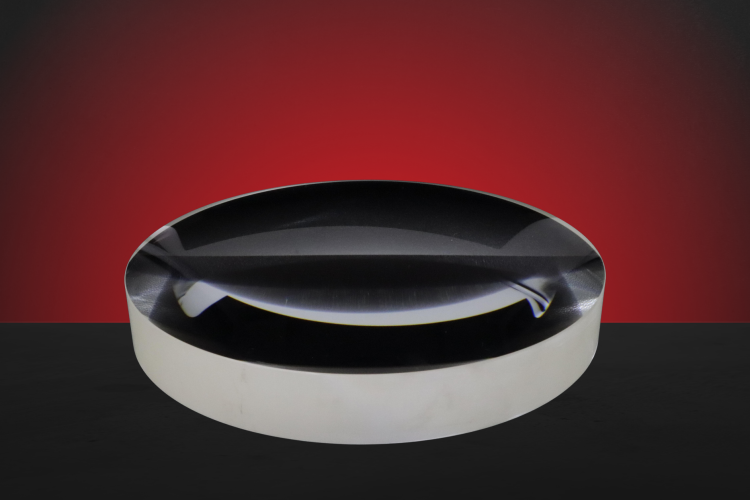
Solutions for the Performance Boundaries of Large-Aperture Spherical Lenses Abstract In the era of rapid advances in optoelectronic technology, large-aperture spherical lenses act as the “core pupil” of modern optical systems. Their performance determines the imaging precision and beam-control capability of high-end equipment—from deep-space telescopes to nanoscale lithography systems. Achieving nanoscale surface accuracy on millimeter-scale […]