
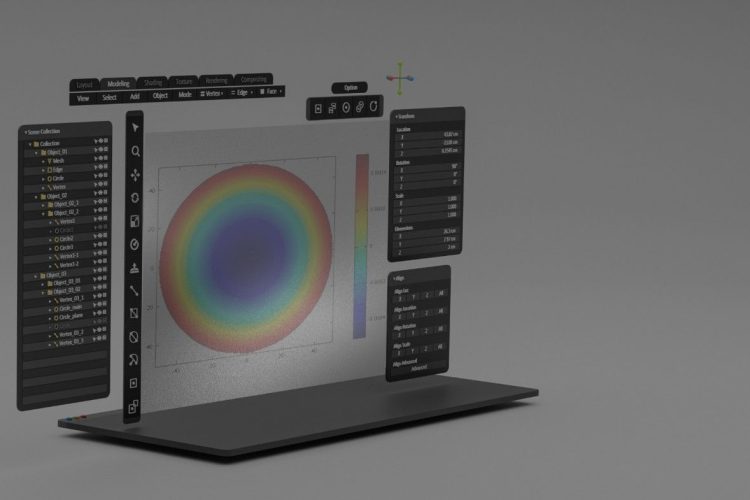
Wavefront error budgets define allowable optical distortions across telescope components, ensuring nanometer-level precision. Managing surface, alignment, coating, and thermal effects is critical for reliable, high-quality space imaging.

Avantier Inc.
Wavefront error budgets define allowable optical distortions across telescope components, ensuring nanometer-level precision. Managing surface, alignment, coating, and thermal effects is critical for reliable, high-quality space imaging.
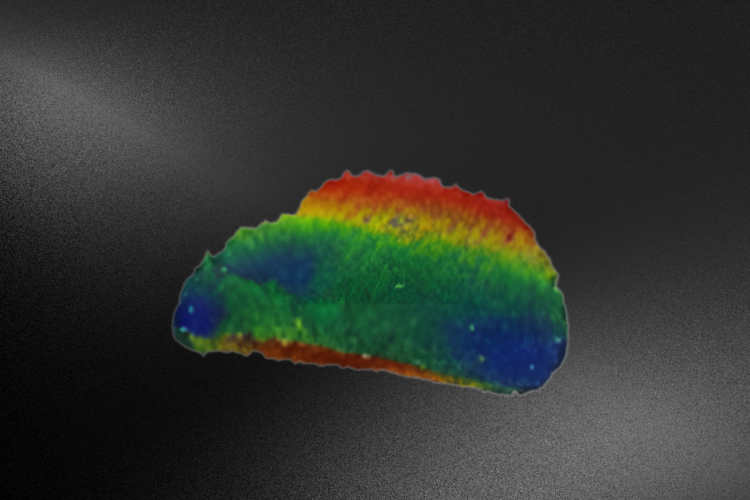
Custom high-NA objective lenses achieve ultra-precise UV excitation and imaging in ion trap experiments, boosting fluorescence capture and quantum accuracy.

By leveraging advanced materials, precision metrology, and ruggedization, engineers can enhance Attitude Determine and Control Systems (ADCS), essential for maintaining the precise orientation of small satellite platforms, including CubeSats and microsatellites.

Laser-Induced Damage Threshold (LIDT) defines the laser energy level that causes permanent optical damage. This guide explains mechanisms, testing methods, and key factors for safe, optimized laser system design.

Avantier’s precision-engineered SWIR hyperspectral lens delivers crisp imaging across 1000–2500 nm, combining high transmittance and thermal stability for reliable, high-resolution analysis.

Telescopes are exposed to radiation, atomic oxygen, extreme thermal cycles, and broad spectral demands- requiring coatings that ensure long-term performance, stability and survivability.

Objective lenses play a critical role in modern quantum computing platforms, essential for system fidelity and scalability. They enable tight beam focusing, collect fluorescence for qubit readout, and impact the overall resolution of the quantum architecture.
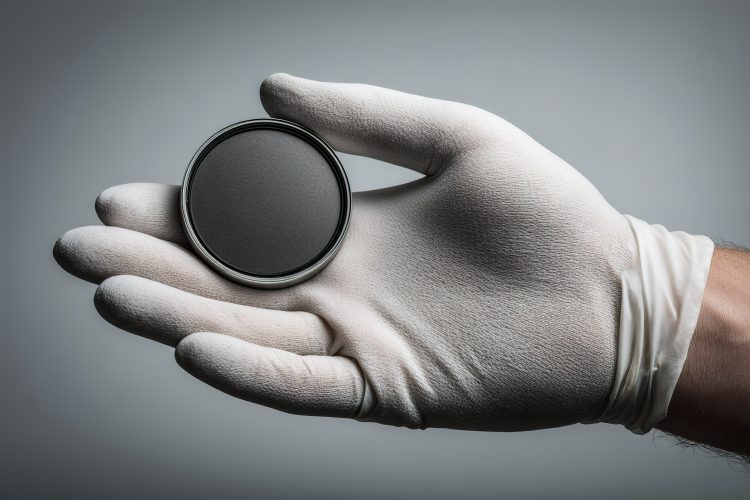
Transmittance is measure of how much light passes through a lens; In high-prevision applications, poor transmittance can compromise the entire optical system. To ensure the reliability and precision of optics, transmittance testing confirms imaging performance and optical system efficiency in various applications
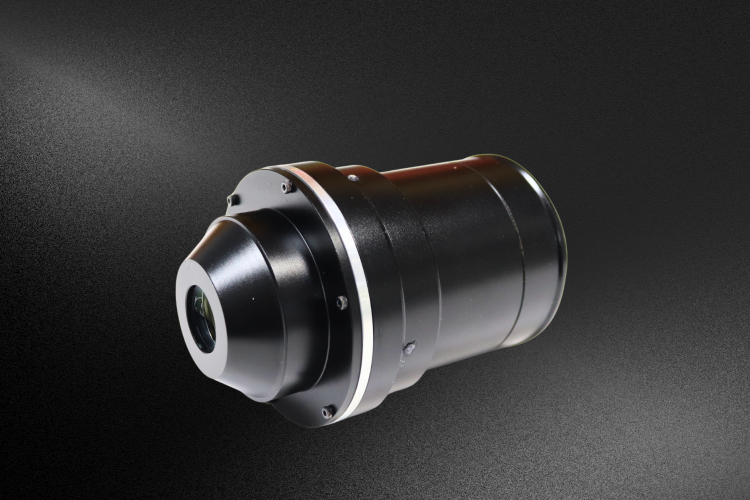
Avantier continues to unlock new frontiers in imaging performance; The development of advanced microscope objectives support partners across biotechnology, healthcare, and high-tech industries, meeting the future of imaging head-on.

Learn how Avantier dealt with quick turnaround times for an urgent customer request, delivering precision silicon lenses with diffractive surfaces using advanced SPDT machining and real-time compensation mechanisms.