Space Telescopes: Optical Design Principles

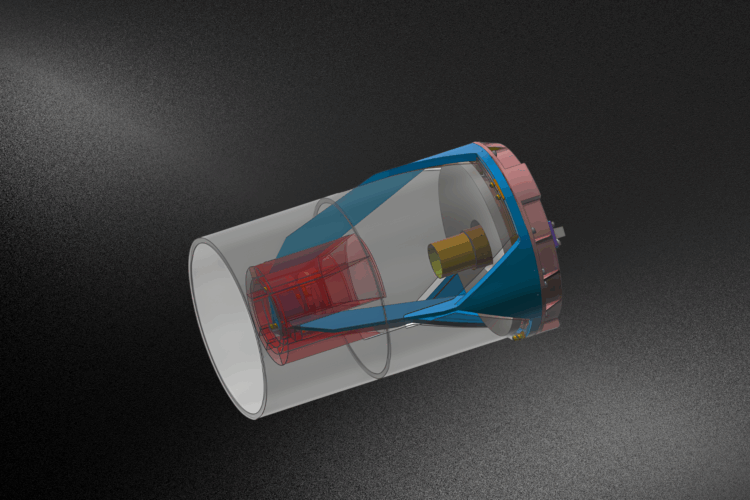
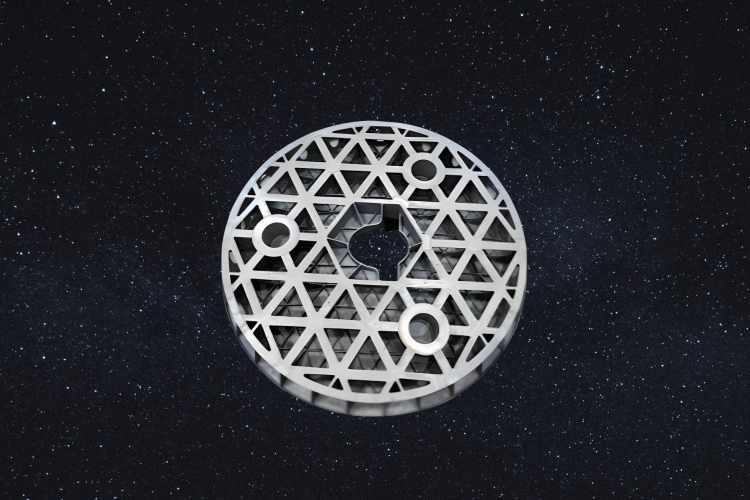
Space telescope design is governed by aperture size, aberration control, and environmental constraints unique to orbit.
Refracting systems offer stability but suffer severe aperture limits, while reflecting architectures dominate modern space observatories due to scalability and chromatic aberration elimination.
Catadioptric designs provide compact, balanced solutions for small to mid-sized missions.
As space optics evolve, segmented mirrors, active wavefront correction, and hybrid architectures are defining the next generation of high-performance space telescopes.

Read more
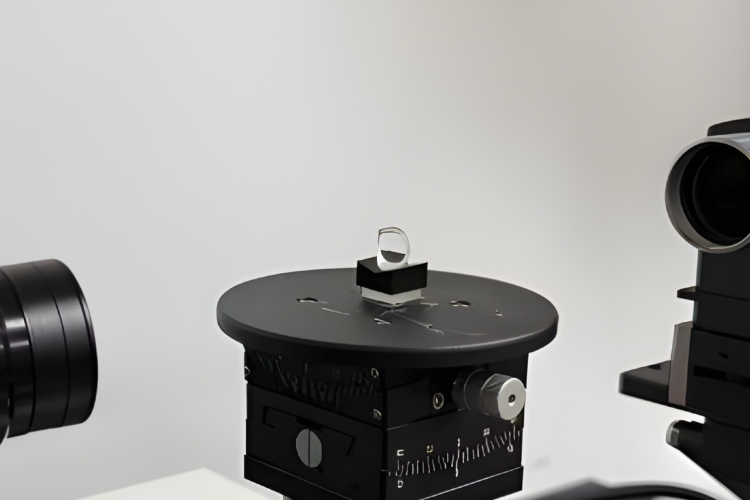
Metrology Protocols for Precision Cylindrical Lenses

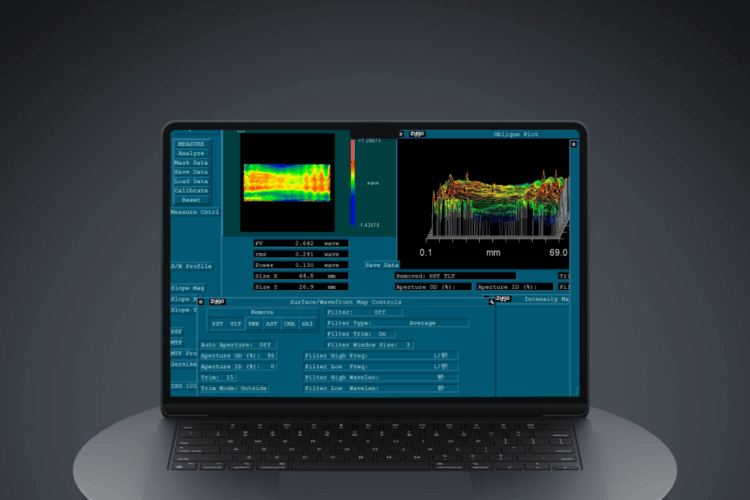
Cylindrical lens metrology protocols are essential for bridging the gap between theoretical optical design and high-performance manufacturing. As industrial applications push for tighter tolerances, moving toward advanced interferometric characterization is a requirement for system-level precision.

Read more
Custom Germanium Lens Production for Low-Visibility Applications

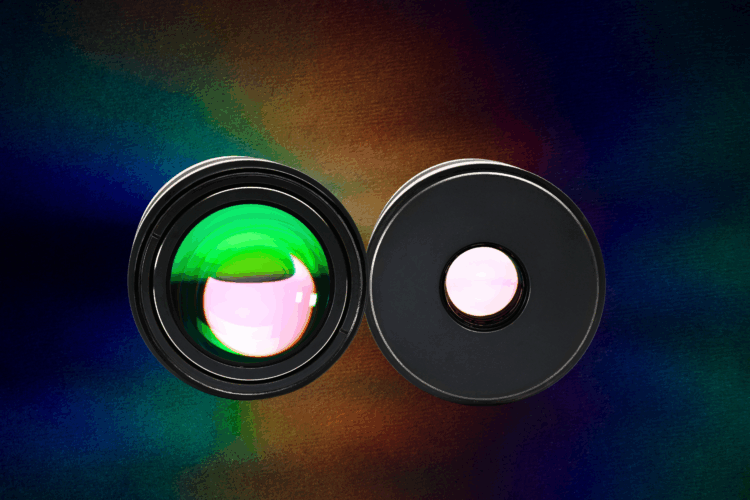
This project required the development of a germanium lens designed for use in low-visibility environments such as fog, smoke, or low-light. Learn how Avantier successfully exceeded expectations, demonstrating capabilities to manufacture specialized lenses for demanding applications.

Read more
Fluorescent Biological Microscope Objectives: Principles, Functions, and Applications
Fluorescent Biological Microscope Principles

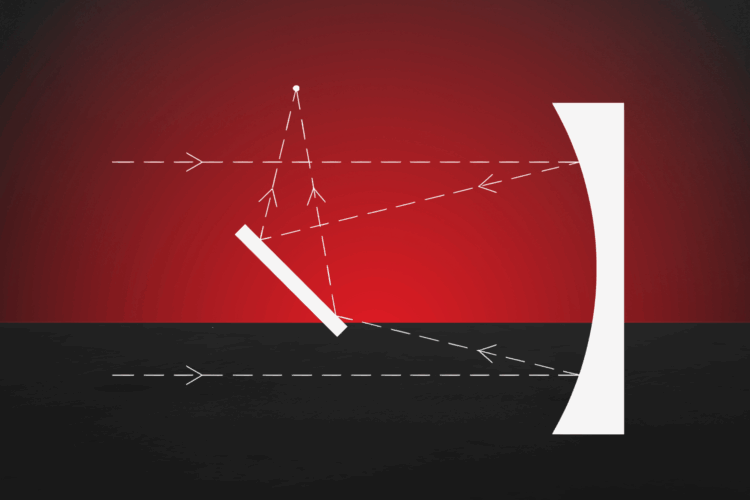
Fluorescence microscopy has emerged as a pivotal tool for observing cellular structures, tracking molecular dynamics, and deciphering the mechanisms of life, offering high specificity through fluorescent labeling and enabling sensitive visualization of biological processes that are otherwise invisible under conventional imaging techniques.

Read more
Infinite Conjugate Microscope Objective: Design Principles, Imaging Performance & Advanced Applications

Key Takeaways The Infinite Conjugate Microscope Objective delivers superior optical flexibility, enabling modular imaging paths through its collimated beam design.  High numerical aperture, advanced aberration correction, and optimized working distances provide exceptional resolution and measurement accuracy. Its robust optical and mechanical engineering supports multimodal imaging, UV–IR operation, and integration with laser systems.  These capabilities make […]

Read more