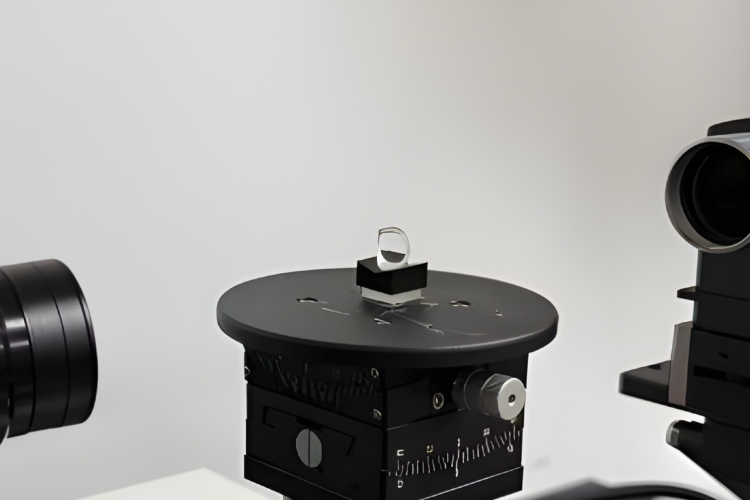
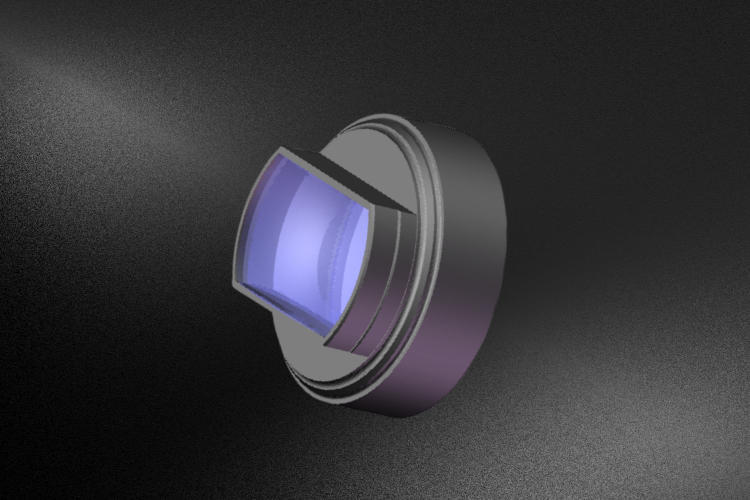
Metrology Protocols for Precision Cylindrical Lenses

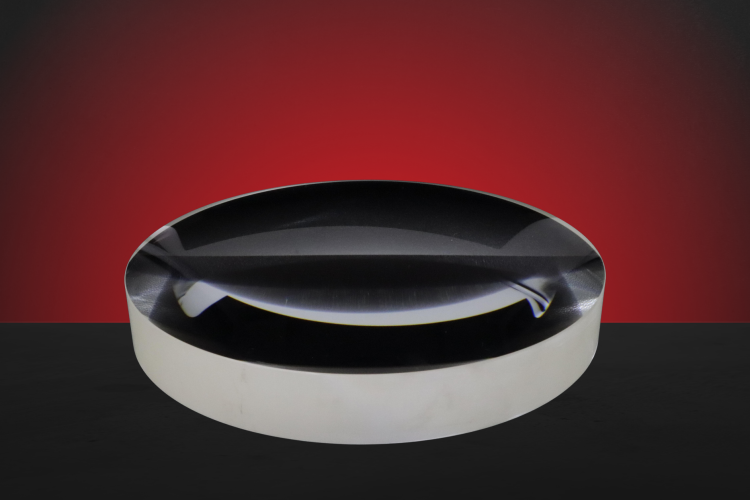
Cylindrical lens metrology protocols are essential for bridging the gap between theoretical optical design and high-performance manufacturing. As industrial applications push for tighter tolerances, moving toward advanced interferometric characterization is a requirement for system-level precision.
Read more
Technical Comparison: CO₂ Lasers vs. Fiber Lasers

Fiber and CO₂ lasers differ in wavelength, efficiency, and applications: fiber lasers excel in precise, efficient metal processing, while CO₂ lasers remain ideal for non-metals and biological materials. The choice depends on application, however hybrid systems are also emerging.

Read more
Optics for Micron-Scale Resolution & Low-Noise OCT
Optics for Micron-Scale Resolution & Low-Noise OCT, biomedical, life science, OCT

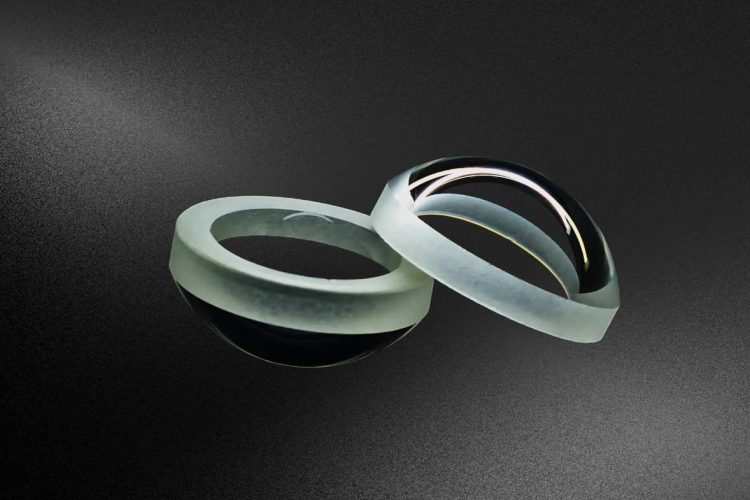
Optical Coherence Tomography (OCT) is a powerful, non-invasive imaging technique that delivers real-time cross-sectional views of biological tissues; the ability and micrometer-scale resolution rely heavily on the quality and precision of its optical components.

Read more
How Does Diffuse Optical Tomography Work?

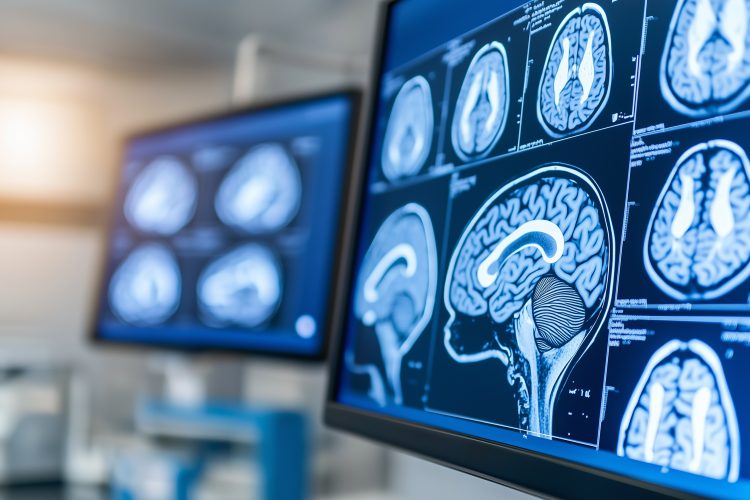
Diffuse Optical Tomography (DOT) is a medical imaging technique that uses NIR light to measure the optical properties of biological tissue. By analyzing light absorption and scattering from chromophores like hemoglobin, it enables non-invasive, real-time imaging of tissue oxygenation, composition, and functional activity.

Read more
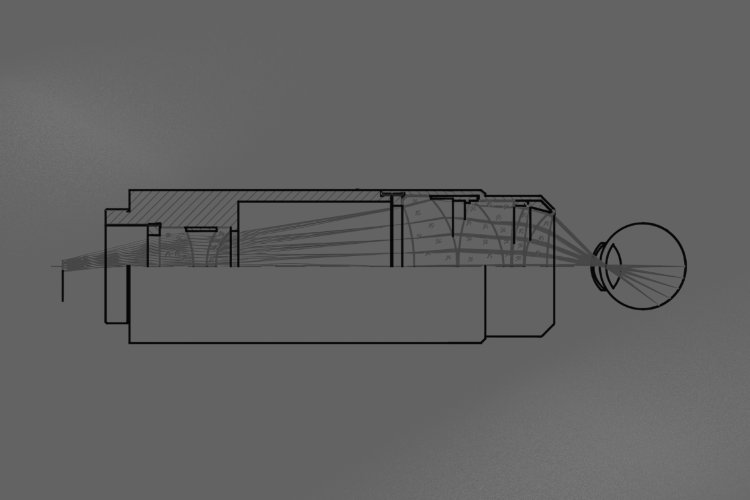
Case Study: Eye Lesion Detection Medical Lens
eye lesion detection lens, Lesion Detection Lens, detection lenses, medical lens, medical lenses

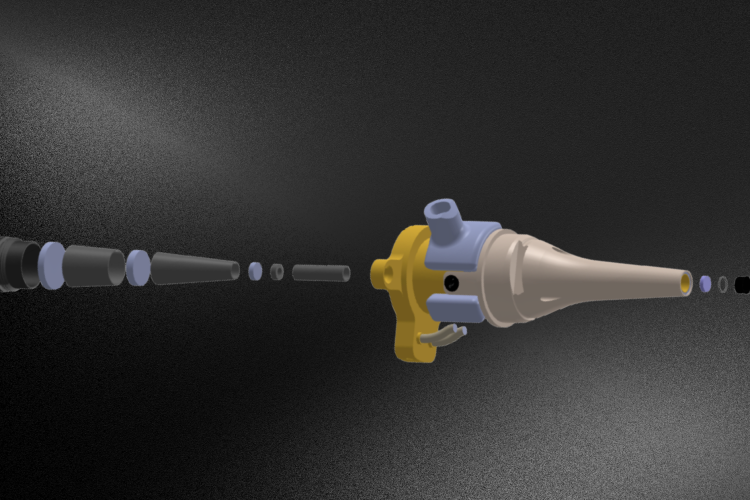
Discover how Avantier designed long- and zero- distance eye lesion detection lenses for infants and other patients; Optical designers had to consider precision, patient comfortability and helping to innovate future diagnosis techniques.

Read more