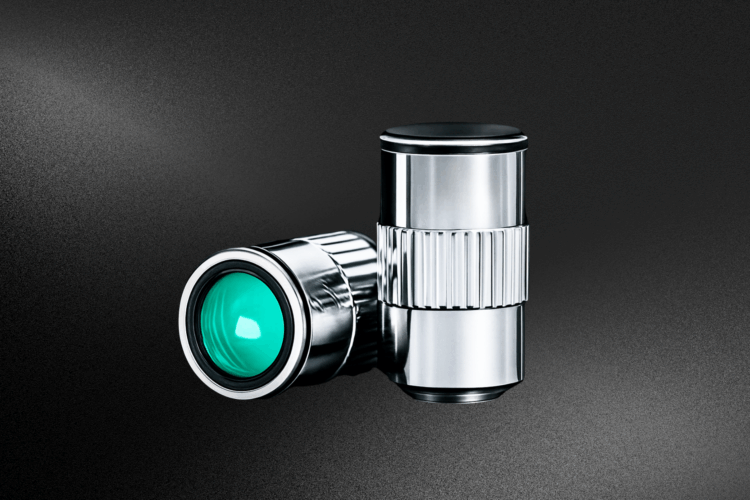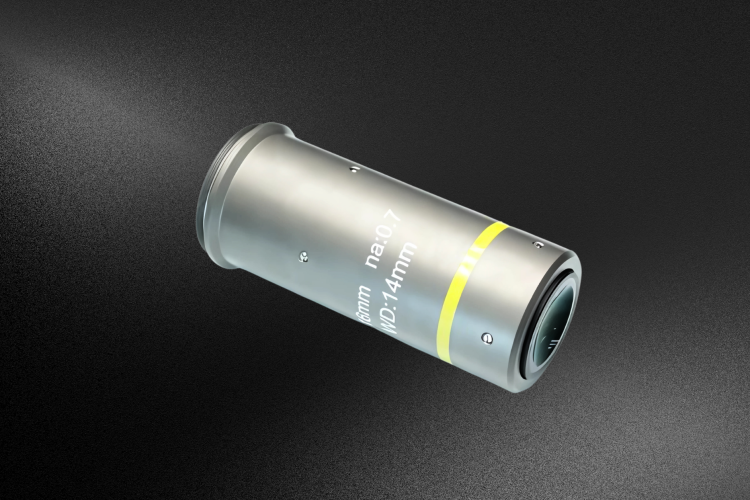
Case Study: Custom Objective Design for Ultracold Atom Quantum Research
Custom Objective Lens for Ultracold Atom Experiments | Case Study

Key Takeaways This case study shows how custom objective lens design addressed simultaneous constraints involving long working distance, high numerical aperture, beam access, multi-wavelength performance, and non-magnetic compatibility in an ultracold atom experiment.  By combining optical optimization, mechanical iteration, and collaborative engineering support, the solution enabled integration where standard objectives could not, illustrating how application-specific […]
Read more
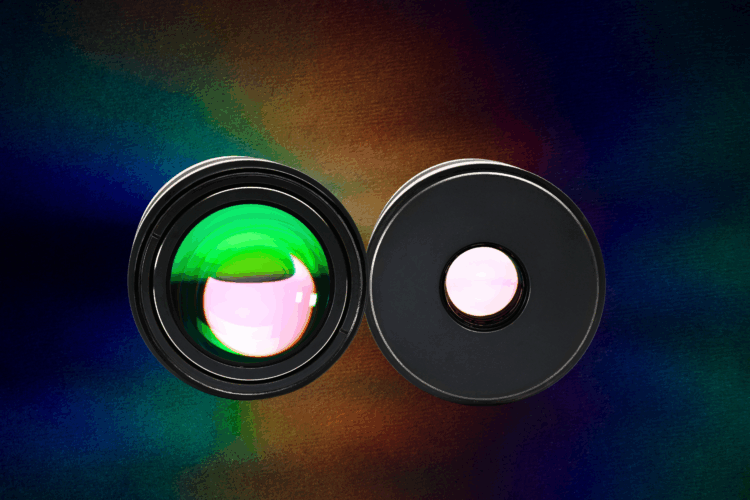
Breaking Conjugate Distance Limits for Quantum Imaging
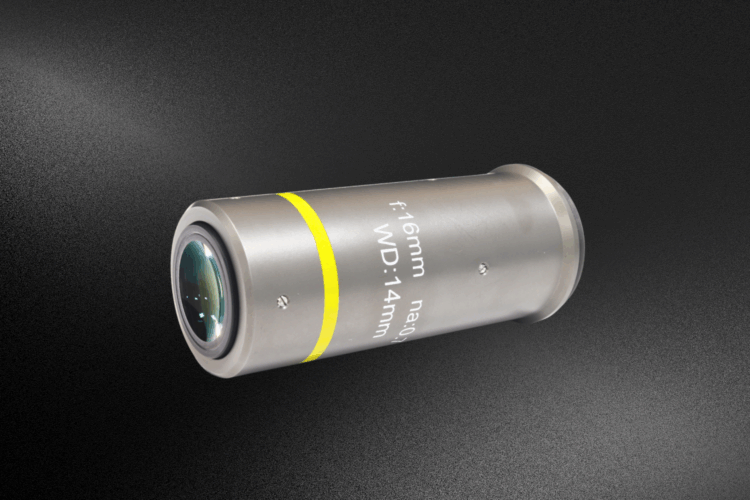
Long Working Distance High-NA Objectives for Quantum Imaging

Key Takeaways Advanced optical design strategies can overcome traditional tradeoffs between long working distance and high numerical aperture.  Through multi-element aberration balancing, infinity-corrected architectures, advanced materials, and precision manufacturing, objective lenses can preserve imaging performance under constraints conventional designs cannot satisfy.  For quantum imaging systems, breaking conjugate distance limits is increasingly not just an optical […]

Read more
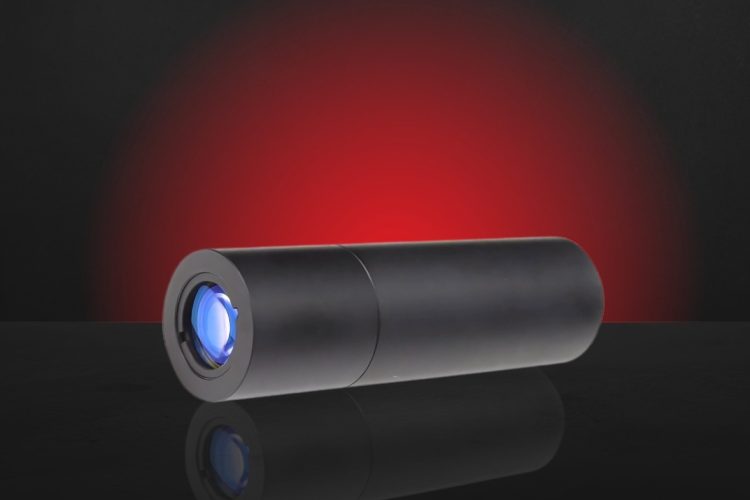
Why Conventional Microscope Objectives Break Down in Quantum Experiments
Why Conventional Microscope Objectives Fail in Quantum Experiments

Key Takeaways: Conventional microscope objectives are often not designed for the optical, mechanical, and material constraints imposed by quantum experiments.  Challenges including long working distance requirements, multi-axis beam access, multi-wavelength correction, and magnetic compatibility can turn standard optics into system-level bottlenecks.  As neutral atom and ultracold atom architectures scale, objective lens limitations increasingly affect not […]

Read more
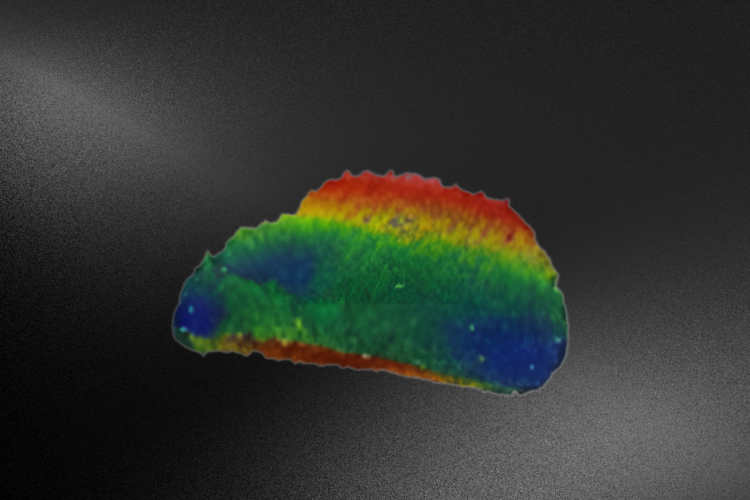
Overcoming Optical Bottlenecks in Quantum Computing
Overcoming Optical Bottlenecks in Quantum Computing header

Precision Performance: Achieves diffraction-limited imaging using High-NA Cryogenic Quantum Optics to maximize photon collection efficiency.

Environmental Stability: FEA-optimized housings ensure sub-nanometer wavefront stability from room temperature down to 4K.

Broadband Correction: Tailored multi-wavelength optimization (UV-NIR) supports simultaneous cooling, trapping, and state readout.

Scalable Integration: Engineered for seamless implementation in trapped-ion, neutral atom, and solid-state quantum platforms.

Read more