
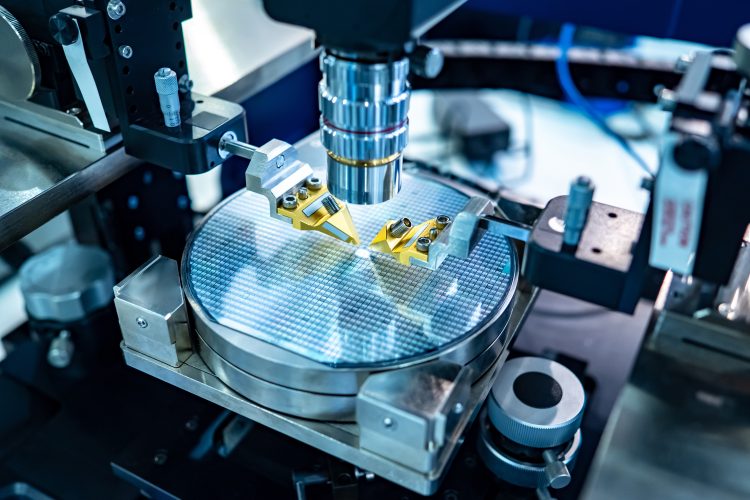
In today’s rapidly advancing technological landscape, semiconductor manufacturing pushes the boundaries of precision and miniaturization.

Avantier Inc.
In today’s rapidly advancing technological landscape, semiconductor manufacturing pushes the boundaries of precision and miniaturization.
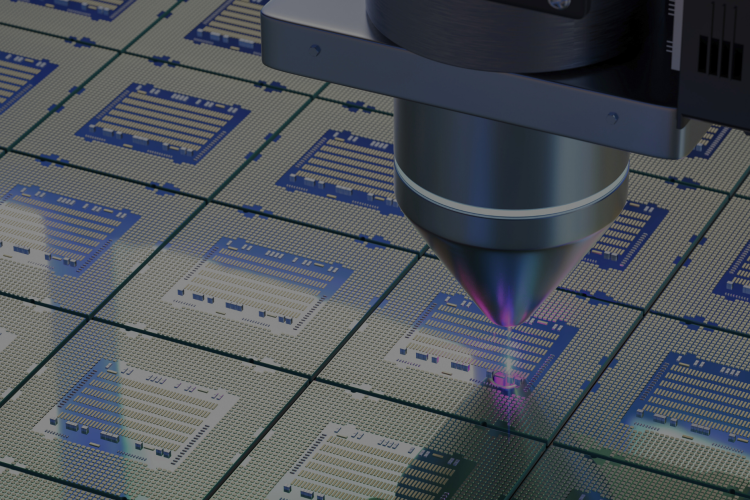
Custom optical objectives are crucial for semiconductor manufacturing and inspection, enabling the precision needed for advanced technologies.

A global leader in agricultural genetics and reproduction services approached us to address problems they were facing related to the cost and durability of microscope objective lenses.

Athermal optical systems are engineered to maintain consistent performance across a wide range of temperatures without the need for active thermal compensation.

Athermal optical systems are a cornerstone of modern optics, designed to ensure consistent optical performance across varying temperatures.
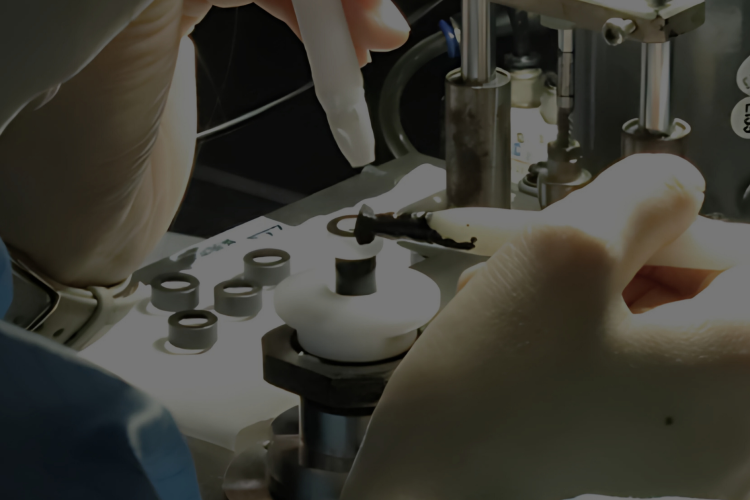
Edge blackening is a widely utilized optical technique aimed at reducing the effects of stray light, minimizing internal reflections, and enhancing the contrast of optical systems. By giving the surface a blackened appearance, it not only improves the aesthetic quality of the component but also plays a vital functional role in optical system performance.
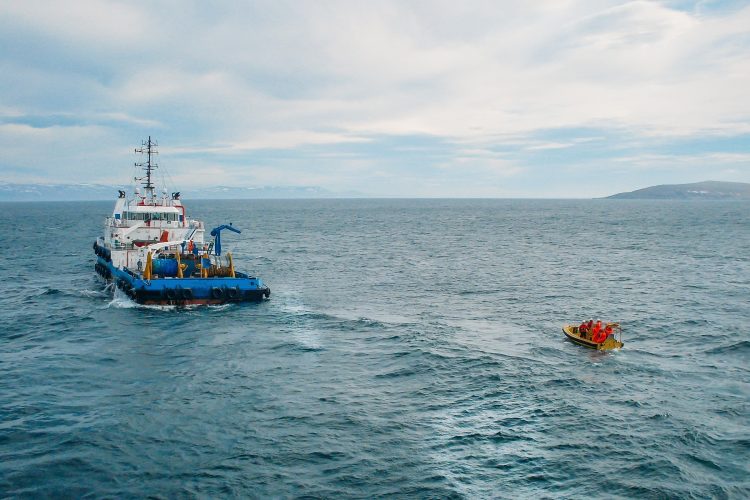
A Marine Habitat Particle Polarization Detection Optical System is designed to measure the polarization of light scattered by particles in marine environments.
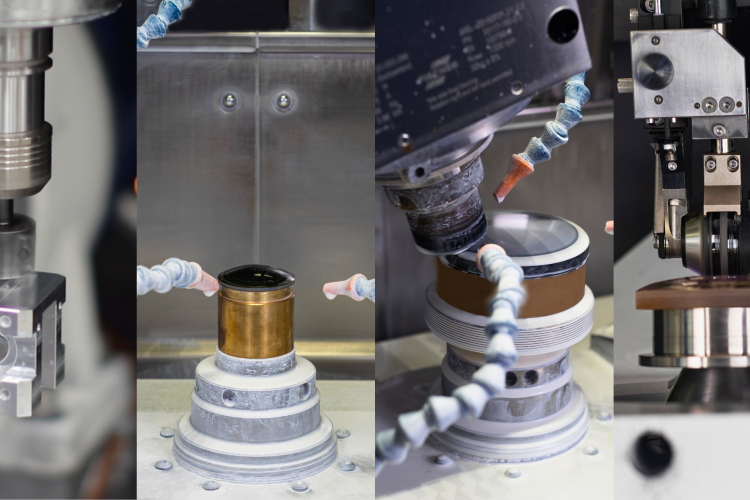
For 25 years, Avantier Inc. has excelled in delivering cutting-edge optical solutions. We take pride in the values that have defined our journey—uncompromising precision, customer-focused innovation, and steadfast dedication to quality.

Over 25 years, optical innovations have transformed communication, medicine, and technology—advancing fiber optics, enabling lab-on-chip diagnostics, and making LiDAR affordable, compact, and widely accessible.

Manufacturing optics has seen extensive developments over the last 25 years. In the past, optical manufacturing relied heavily on manual processes and standardization.