Surface Roughness Control in High-Precision Optics

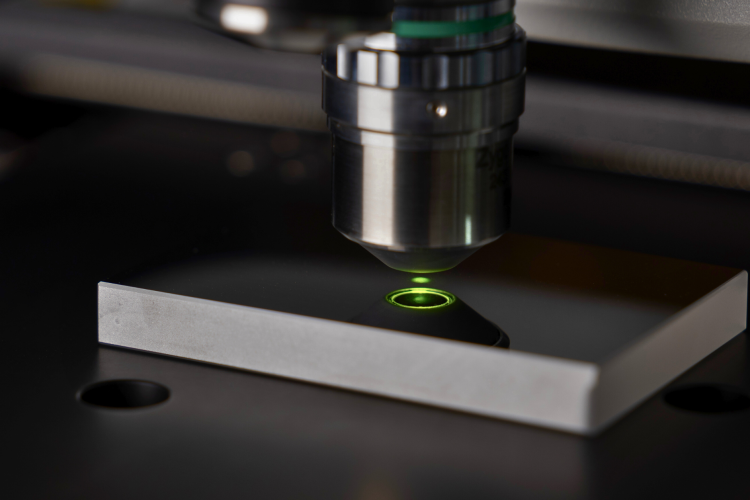
Surface roughness in high-precision optics refers to microscopic surface irregularities that critically affect light behavior, causing scattering, distortion, and reduced performance, making ultra-smooth finishes essential for optimal optical efficiency.

Read more
How Does Diffuse Optical Tomography Work?

Diffuse Optical Tomography (DOT) is a medical imaging technique that uses NIR light to measure the optical properties of biological tissue. By analyzing light absorption and scattering from chromophores like hemoglobin, it enables non-invasive, real-time imaging of tissue oxygenation, composition, and functional activity.

Read more
Miniaturized Optics for Small Satellites & CubeSats

Miniaturized optics for satellites and CubeSats are compact, lightweight systems enabling high-resolution imaging, beam steering, and spectral sensing within strict size, power, and mass limits, allowing small satellites to perform advanced, cost-effective space missions.

Read more
Optical Communication in Space: From Free-Space Lasers to Deep-Space Data Links

Optical Communication in Space: From Free-Space Lasers to Deep-Space Data Links

Optical communication in space represents a transformative shift from traditional radio frequency (RF) transmission to high-speed, laser-based data exchange. Using light instead of radio waves, these systems can send vast amounts of data across interplanetary distances with unparalleled efficiency.

Collectively referred to as Free-Space Optical Communication (FSOC), this technology uses modulated laser or LED beams to transmit digital information wirelessly through open space. Within this broad category, space-based laser communications (often called lasercomm) focus on orbital and satellite applications, while Deep Space Optical Communication (DSOC) pushes the frontier even farther—to interplanetary distances.

Read more
Medical Lens-Based Ear Endoscopy

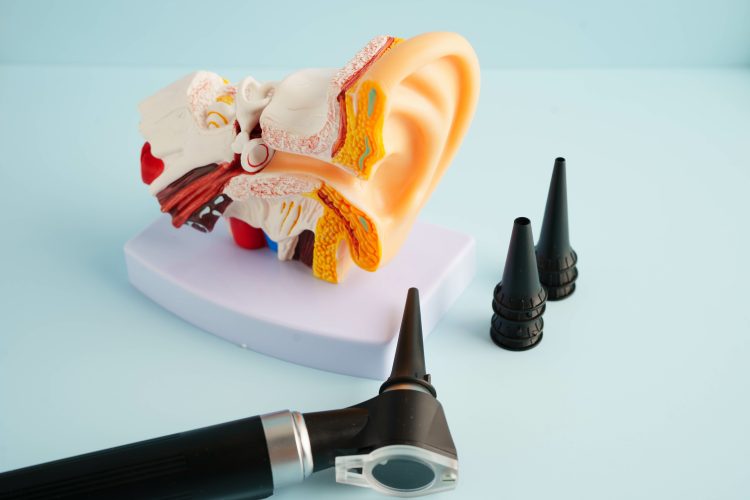
The intricate anatomy of the ear require specialized optical instruments; Endoscopes offer high-resolution visualization, utilizing advanced optical and illumination systems for detailed examination and surgical assistance. Innovations continue to promise further advances endoscopes, improving diagnostic accuracy and surgical outcomes.

Read more
Enhancing Optical Adhesives

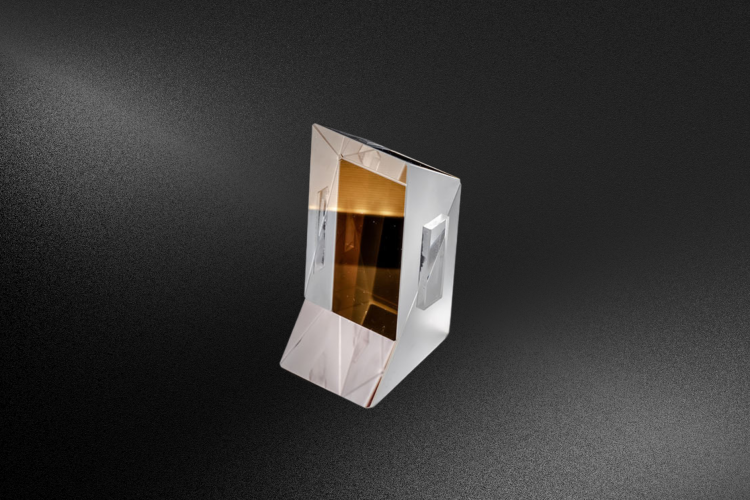
Optical adhesives are used to bond two or more optical elements- lenses, prisms, window pieces can be glued together to achieve various optical functions. This process requires incredible precision; careful alignment of optical components minimizes aberrations and ensures quality results.

Read more
Micro- and Nano-Scale 3D Printed Microlenses

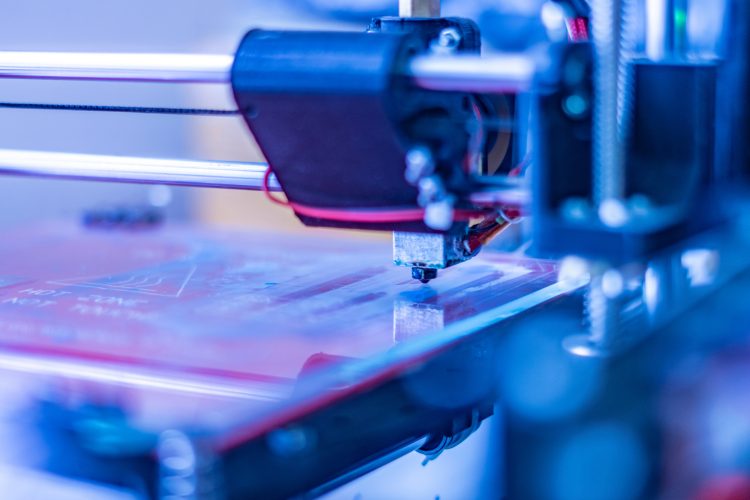
Key Takeaways: Micro- and nano-scale 3D printing transforms microlens fabrication with high-resolution, mold-free production and rapid prototyping.  This manufacturing method works well with diverse materials and enables multifunctional optics like GRIN and tunable lenses.  Key applications of 3D printed microlenses include biomedical imaging, OCT, flow cytometry, optical sensing, fiber optics, and laser beam shaping.  Mofang […]

Read more
Understanding Semiconductor Lithography

Lithography systems are essential to semiconductor manufacturing, enabling high-precision patterning through advanced exposure, alignment mechanisms, and specialized light sources to achieve high-resolution imaging.

Read more
Understanding Diffractive Aspheric Lens

Diffractive aspheric lenses combine aspheric surfaces with diffractive microstructures to correct aberrations, improve image quality, and reduce system size, enabling compact, high-precision optical systems across imaging, aerospace, and electronics applications.

Read more