
Silicon carbide optics deliver exceptional thermal stability, stiffness, and lightweight performance, making them ideal for aerospace, semiconductor, and high-power laser applications in extreme environments.
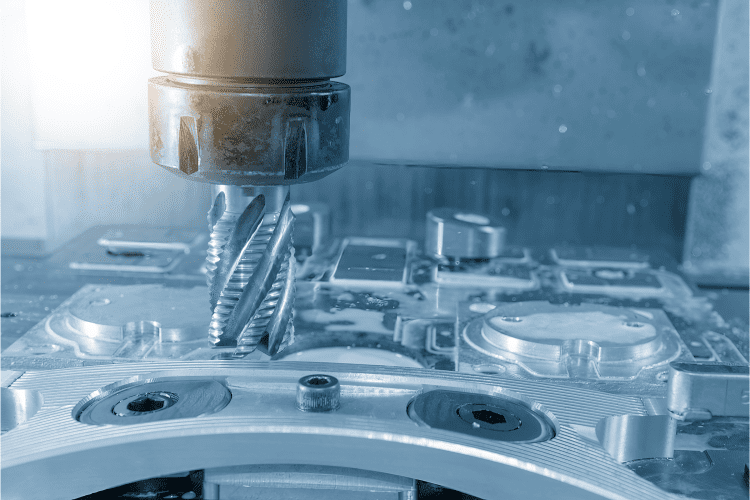
Silicon carbide optics deliver exceptional thermal stability, stiffness, and lightweight performance, making them ideal for aerospace, semiconductor, and high-power laser applications in extreme environments.
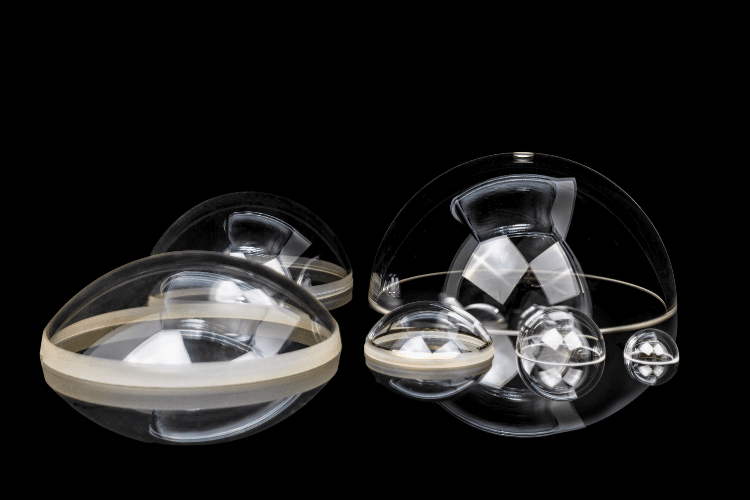
Discover optical domes’ applications and design considerations and what makes them ideal for imaging systems in challenging situations.
Freeform optics design complex, non-symmetric surfaces to precisely control light, enhancing performance in imaging, sensing, AR/VR, others.
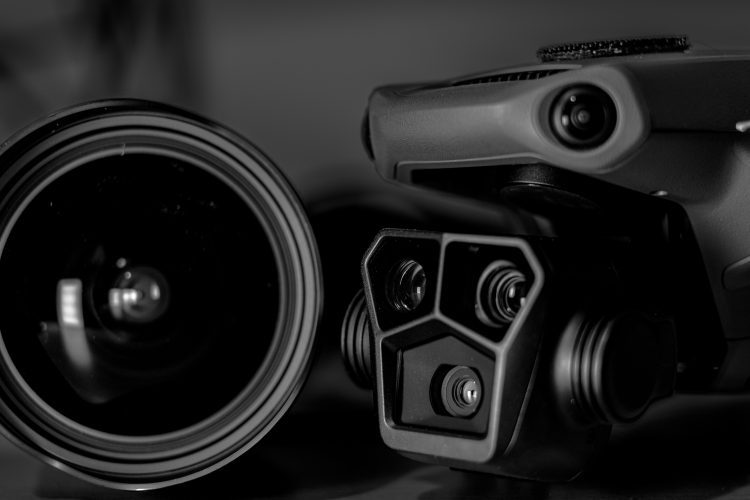
A wide angle lens offers a broad field of view with short focal lengths, used in photography, security, automotive, and infrared systems.
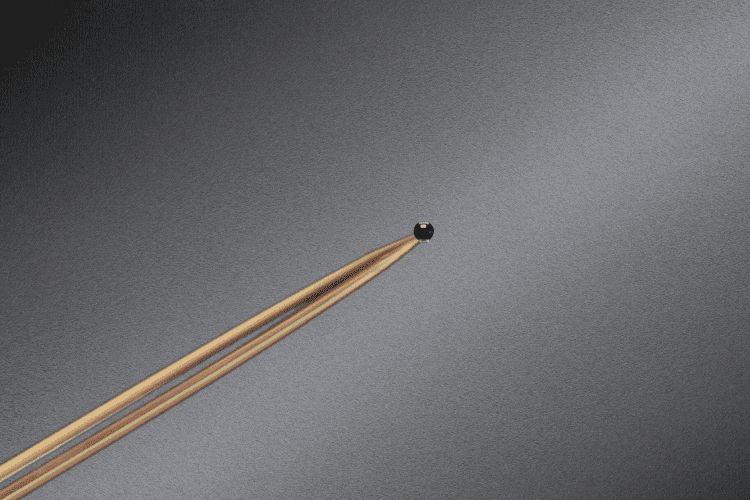
Explore the world of micro optics and discover the different types available, including microlenses, microspheres, and micro mirrors.
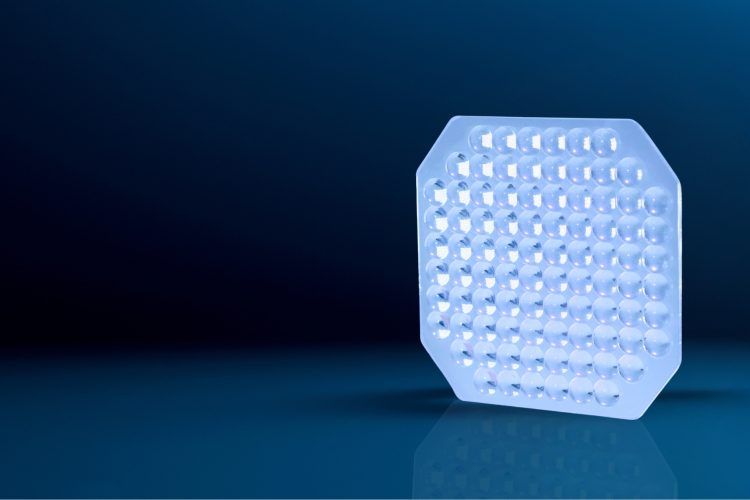
Microlens arrays with microlenses are essential for optimizing light distribution in laser and fiber applications.
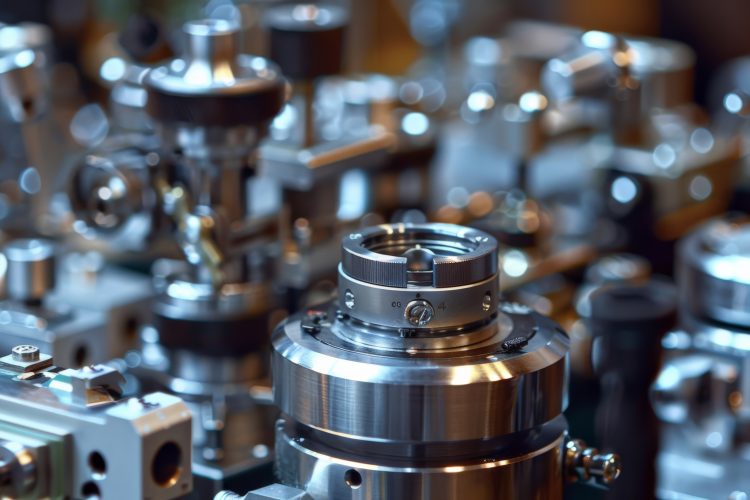
Reverse optical engineering analyzes existing optical systems to recreate or improve them without original designs. It involves testing, disassembly, data capture, and redesign to achieve accurate, cost-effective lens replication.
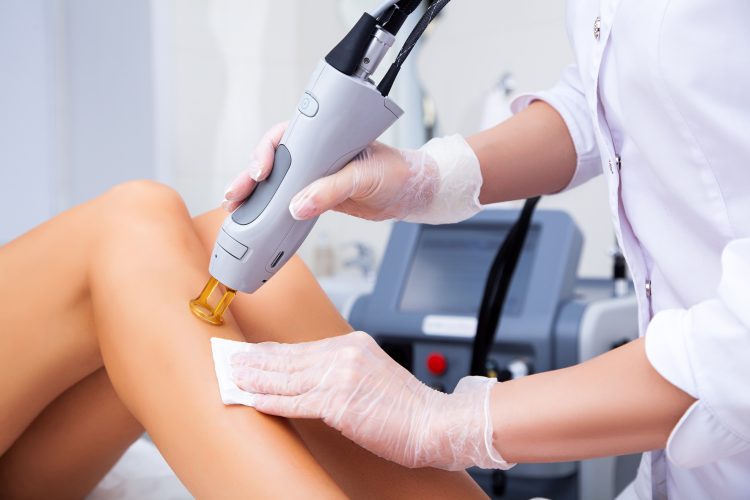
Laser optics in skincare are vital for tattoo removal and skin rejuvenation, targeting chromophores with precise wavelengths and pulses.
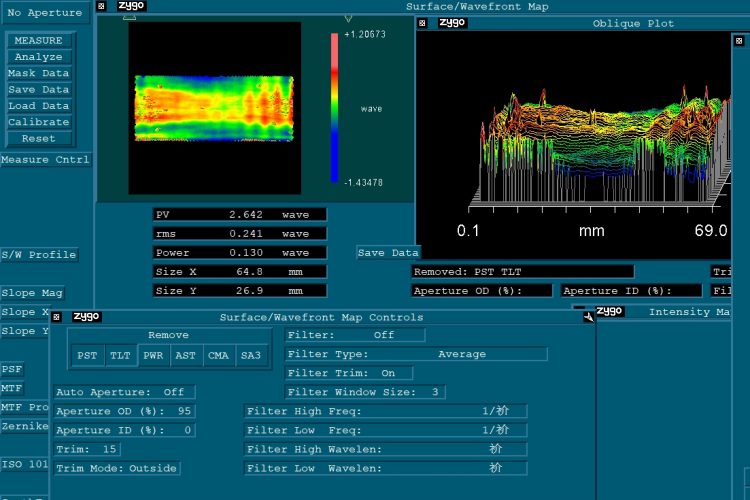
Freeform optics design enhances FOV and functionality compared to traditional optics, but requires advanced manufacturing techniques.
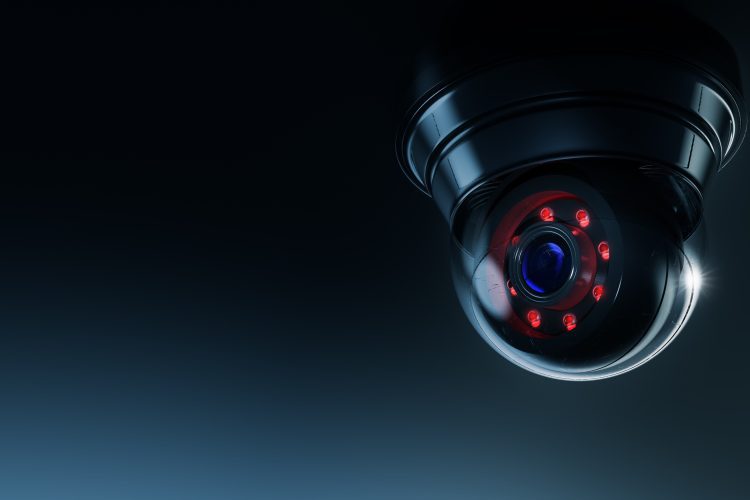
While visible light cannot penetrate well in water vapor, SWIR cameras can product clear, high resolution images even when the human eye is unable to clearly see anything; SWIR light penetrates fog and smoke better than visible light, unaffected by heat, haze and atmospheric variations.