
In the continuous evolution of optical technology, stress-free objective lenses have emerged as a leading solution, particularly for advanced polarized light microscopy.
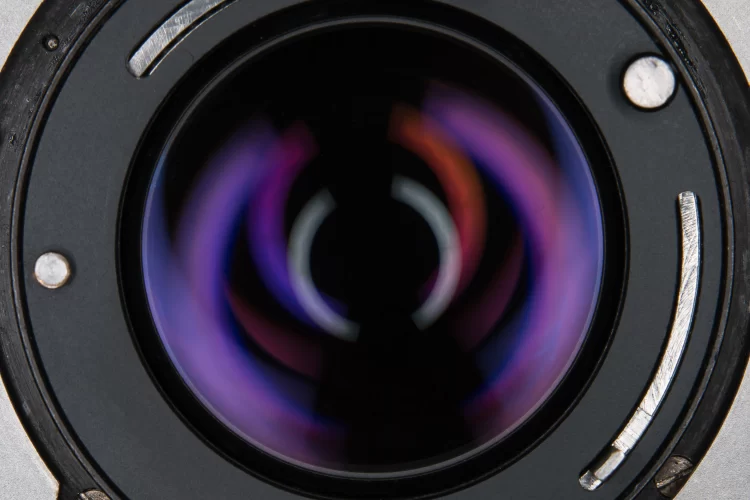

In the continuous evolution of optical technology, stress-free objective lenses have emerged as a leading solution, particularly for advanced polarized light microscopy.
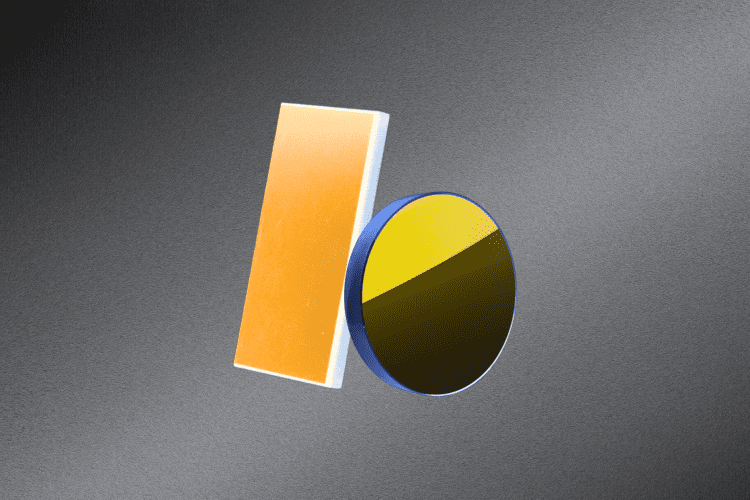
Sometimes, standard metallic mirrors can’t reflect as much light as you need. That’s when you turn to an ultra broadband metallic mirror.

Increasing the numerical aperture of an optical system may increase the resolving power, but it’s not a foolproof way to improve performance.

Application of DLC film: Diamond-like hardness, corrosion resistance, and high transmittance make DLC ideal for enhancing infrared lenses.

The paraxial approximation simplifies optical calculations by assuming small-angle light propagation, enabling efficient ray tracing and optical design while highlighting the limits of accuracy in complex systems.

Whether your focus is medical diagnostics, surgery, clinical care, or biomedical research, optical medical imaging can play a transformational role in your practice.

Ignoring dispersive properties in optical materials can cause chromatic aberration, leading to color fringing and reduced image quality.

Learn how to select a beamsplitter for your optical needs. Explore types, applications, and considerations and get expert insights now!

Discover how optical processing transforms materials into precision components for semiconductors and biomedical devices industries.

Chalcogenide materials transmit IR light with minimal dispersion and can provide high quality imaging. Due to germanium export restrictions, many in the optics industry are turning to these substrates to maintain product continuity and mitigate the effect of supply chain disruptions.
