
For 25 years, Avantier Inc. has excelled in delivering cutting-edge optical solutions. We take pride in the values that have defined our journey—uncompromising precision, customer-focused innovation, and steadfast dedication to quality.
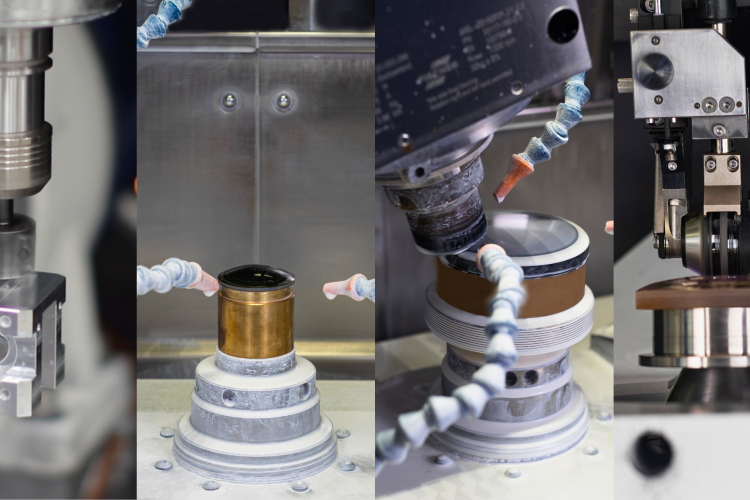

For 25 years, Avantier Inc. has excelled in delivering cutting-edge optical solutions. We take pride in the values that have defined our journey—uncompromising precision, customer-focused innovation, and steadfast dedication to quality.

Over 25 years, optical innovations have transformed communication, medicine, and technology—advancing fiber optics, enabling lab-on-chip diagnostics, and making LiDAR affordable, compact, and widely accessible.

Manufacturing optics has seen extensive developments over the last 25 years. In the past, optical manufacturing relied heavily on manual processes and standardization.

Over the past 25 years, optics have evolved dramatically—becoming smaller, smarter, and more efficient through advanced materials, AI integration, and improved manufacturing, enabling high-performance, scalable, and precise optical systems.
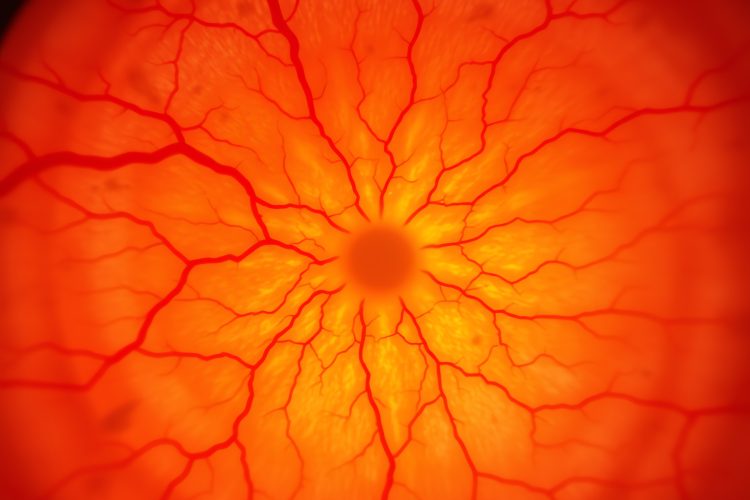
Photoacoustic microscopy (PAM) is a cutting-edge in vivo tissue imaging technique that combines optical and acoustic methods to break through the optical diffusion limit.

LiDAR VR/AR applications are taking augmented and virtual reality applications to the next level. Once far to expensive and bulky for consumer applications
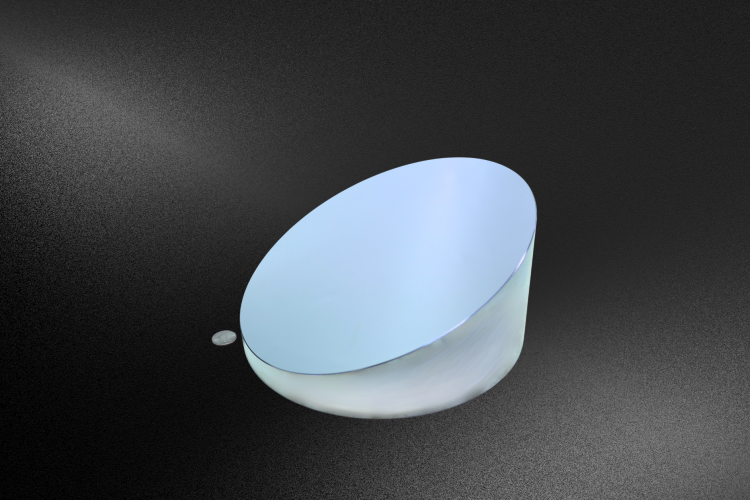
Off-axis parabolic mirrors (OAPs) are a widely used type of aspherical mirror, known for their ability to converge and collimate light beams efficiently. These mirrors are designed by extracting a portion of a parent paraboloid, resulting in unique optical properties.
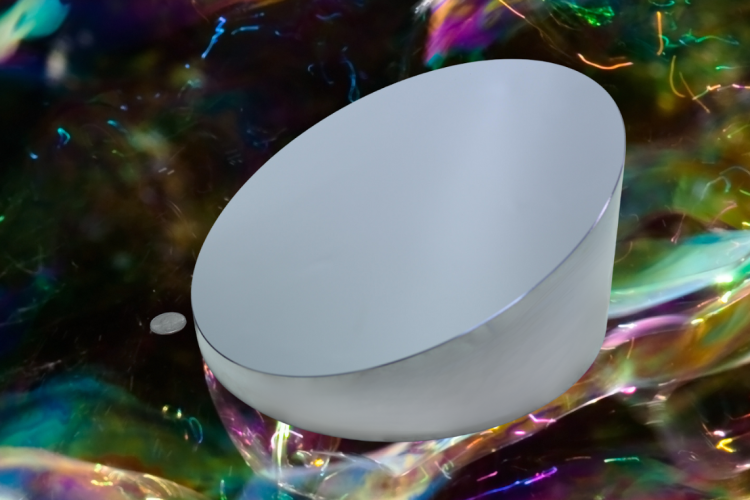
Off-axis parabolic (OAP) mirrors are indispensable components in modern optical systems, offering precision and versatility in a variety of applications.
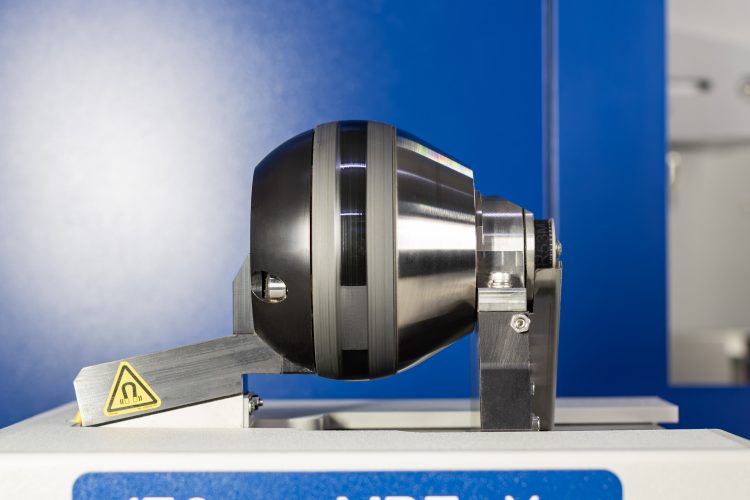
Precision optical polishing refines optical surfaces to achieve exceptional smoothness, accuracy, and clarity, reducing surface defects and light scatter for high-performance imaging, laser, aerospace, and scientific applications.
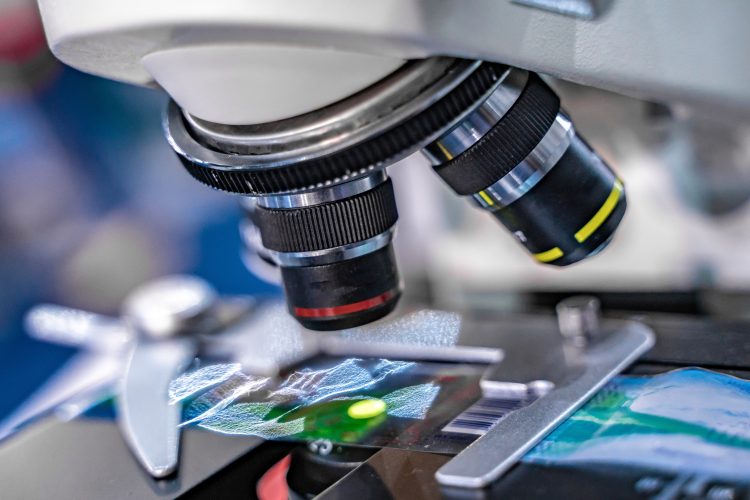
FPM addresses the fundamental trade-off between resolution and field of view in conventional microscopy by combining principles of structured illumination, ptychography, and phase retrieval.