
Custom Optical Domes & Precision Solutions
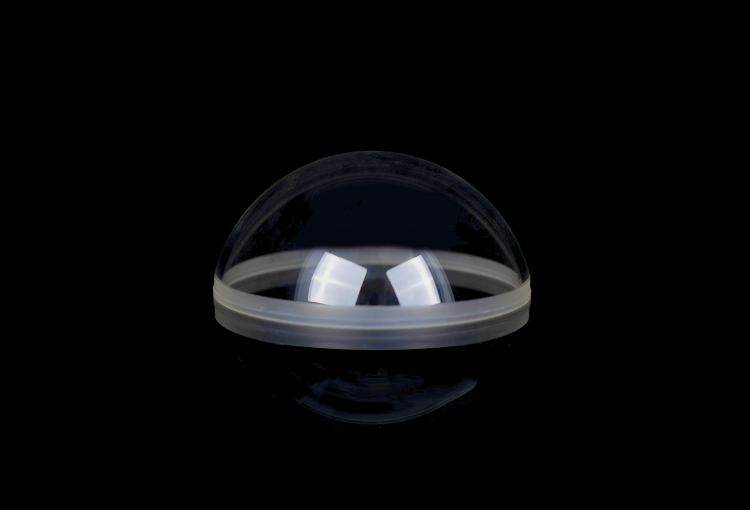
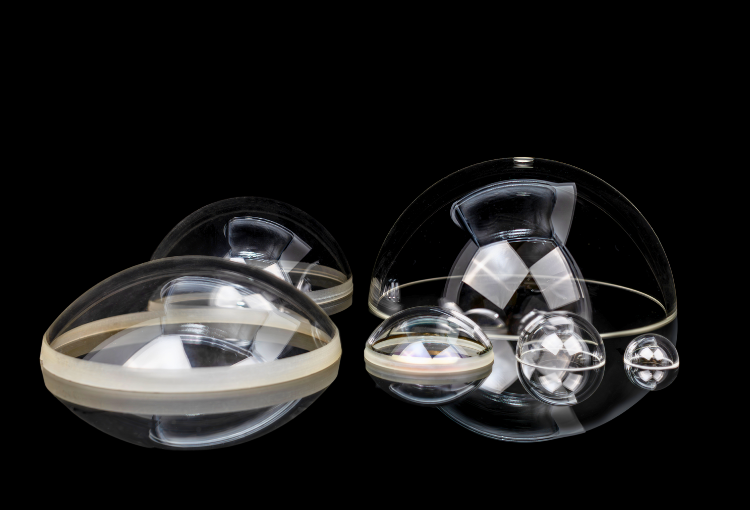
At Avantier, we specialize in custom optical dome solutions tailored to meet unique application requirements. Whether for aerospace, underwater imaging, or surveillance systems, we offer high-precision optical domes in a wide range of materials, sizes, and coatings.
Why Choose Avantier for Optical Domes?
- Tailored Design: No off-the-shelf products—each dome is custom-designed based on your specifications and performance goals.
- Collaborative Engineering: We work closely with clients to determine the optimal substrate, coating, and geometry for every project.
- Diverse Material Options: Choose from advanced optical materials, including fused silica, sapphire, magnesium fluoride (MgF₂), and zinc selenide (ZnSe).
- High-Precision Engineering: Our experts specialize in geometric precision, coating application, and optical clarity.
- Custom Mount Integration: We design and manufacture adapter interfaces and mechanical mounting features as needed.
- In-House Fabrication: Our modern manufacturing facilities ensure tight tolerances, repeatability, and cost-effective production.
- Performance with Value: We deliver high-quality optical domes at competitive prices—optimized for both performance and budget.
Manufacturing Capability
| Material | BK7, CaF2, Cleartran, Fused Silica, MgF2, Germanium etc. |
| Diameter | 2~500mm |
| Thickness | >1mm |
| Coating | AR coating for VIS, SWIR, NIR, MWIR, LWIR, broadband |
| Surface Accuracy | 1/10-1 lambda |
| Dimensional Tolerance | +/-0.1mm |
| Surface Quality | 20/10-60/40 |
| Clear Aperture | 90% |
| Environment Testing | Extreme cold-heat cycle, sand blasting, salt water, adhesive test |
| Specification Testing | Qualification Test, Optimization Test, Dimensional Test, According to DIN, ISO and MIL standards |
Stock Optical Domes
Germanium Optical Domes
| Part Number | Size (mm) | Tolerance (mm) | SD | Coatings | Prices |
|---|---|---|---|---|---|
| AVTGD-1001 | D 25.4 x 3 | +/-0.1 | 60-40 | Tavg≥97%@8-12um | Contact us |
| AVTGD-1002 | D 50.8 x 3 | +/-0.1 | 60-40 | Tavg≥97%@8-12um | Contact us |
| AVTGD-1003 | D 76.2 x 3 | +/-0.1 | 60-40 | Tavg≥97%@8-12um | Contact us |
| AVTGD-1004 | D 101.6 x 3 | +/-0.1 | 60-40 | Tavg≥97%@8-12um | Contact us |
The minimum order quantity is 5. Also available in volume pricing, please contact Avantier for details.
Please note that prices are subject to fluctuation and may change without prior notice. For the most accurate and up-to-date pricing information, kindly contact our office. Additional shipping fees will be calculated and added to your total order.
Sapphire Optical Domes
| Part Number | Size (mm) | Tolerance (mm) | SD | PV | Prices (USD - 5 pcs) | Price (USD - 10 pcs) | Delivery Time |
|---|---|---|---|---|---|---|---|
| AVTLB-0010 | D 25.4 x 3 | +/-0.1 | 60-40 | 1/2λ | $425.00 | $395.00 | One Week |
| AVTLB-0012 | D 50.8 x 5 | +/-0.1 | 60-40 | 1λ | $750.00 | $650.00 | One Week |
| AVTLB-0013 | D 76.2 x 5 | +/-0.1 | 60-40 | 1λ | $1,000.00 | $850.00 | One Week |
| AVTLB-0014 | D 101.6 x 5 | +/-0.1 | 60-40 | 1λ | $1,150.00 | $1,000.00 | One Week |
The minimum order quantity is 5. Also available in volume pricing, please contact Avantier for details.
Please note that prices are subject to fluctuation and may change without prior notice. For the most accurate and up-to-date pricing information, kindly contact our office. Additional shipping fees will be calculated and added to your total order.
How to Select the Best Optical Domes
Fused Silica Dome
Fused silica optical domes provide excellent optical transmission, thermal stability, and chemical resistance, making them a suitable choice for UV and visible imaging systems, underwater cameras, and precision optical instruments. Their low coefficient of thermal expansion helps maintain dimensional stability under changing temperatures, while their dome-shaped geometry protects sensitive optical components without significantly restricting the field of view when properly designed.
Key Optical and Material Properties
- Transmission Range: 300 nm–2 µm, with UV-grade fused silica options extending to 185 nm
- UV Transmission: >85% at 185 nm for UV-grade fused silica
- Refractive Index: 1.4585 at 587.6 nm (n_d); approximately 1.458 at 589.3 nm
- Coefficient of Thermal Expansion:
0.55 × 10⁻⁶/K over 0–300 °C - Operating Temperature Range: −50 °C to +200 °C, depending on the application and mounting conditions.
- Mechanical Strength / Pressure Resistance: No single universal value; project-specific FEA and hydrostatic/burst testing can be provided based on dome diameter, wall thickness, spherical radius, and mounting boundary
Custom Manufacturing and Optical Precision
Avantier provides custom fused silica domes designed around the optical and mechanical requirements of each application. Key manufacturing considerations include dome diameter, wall thickness, spherical radius, concentricity, and surface quality, all of which can influence imaging performance and mechanical reliability.
Available specifications may include:
- Dome Diameter: 2–500 mm
- Dimensional Tolerance: ±0.1 mm
- Surface Figure Accuracy: Up to λ/10 at 632.8 nm
- Surface Quality: 20-10 to 60-40 scratch-dig
- Wall Thickness Uniformity: ≤0.05 mm (subject to drawing/material evaluation)
- Clear Aperture: ≥90%
- Anti-Reflection Coating: Custom AR coatings for VIS, NIR, SWIR, MWIR, LWIR, and broadband; achievable transmission to be confirmed based on substrate, wavelength band, angle of incidence, and coating design
Optical inspection and dimensional verification help confirm that manufactured domes meet the specified geometry and surface requirements.
Request a Quote for a custom fused silica optical dome. Share your required dimensions, operating wavelength, surface specifications, and environmental conditions with Avantier’s engineering team to discuss a suitable solution.
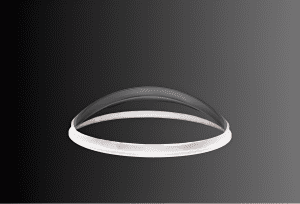
Sapphire Dome
- Transmission Range: 2–5 µm (infrared)
- Ideal for: Harsh environments (defense, deep-sea imaging)
- Features: Exceptional scratch resistance and abrasion resistance
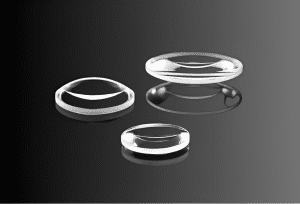
Germanium Dome
- Transmission Range: 2–14 µm (IR)
- Best for: IR imaging in rugged conditions
- Features: Can be coated with diamond-like carbon (DLC) for enhanced durability
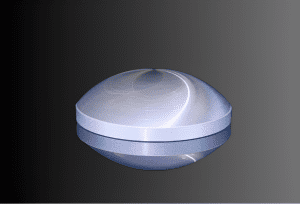
Zinc Selenide (ZnSe) Dome
- Transmission Range: 3–16 µm
- Ideal for: Controlled IR imaging environments
- Notes: Requires AR coating due to high refractive index; lower durability than sapphire
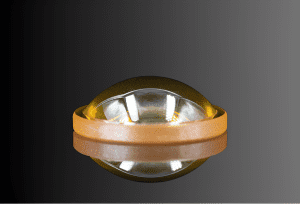
Magnesium Fluoride (MgF₂) Ceramic Dome
Hot-pressed polycrystalline magnesium fluoride (MgF₂) optical domes combine mid-wave infrared (MWIR) transmission with mechanical strength and thermal stability. Their low refractive index and resistance to environmental exposure make them a material option for infrared imaging systems operating under demanding conditions.
Key Material Properties and Optical Performance
- Transmission Range: 2–7.5 µm
- MWIR Transmission: >90% at 3–5 µm for a material thickness of 2–3 mm.
- Refractive Index: Approximately 1.38 at 589.3 nm
- Knoop Hardness: 576 kg/mm² (Knoop, hot-pressed polycrystalline MgF₂)
- Flexural Strength: >90 MPa
- Coefficient of Thermal Expansion: <1.3 × 10⁻⁵ K⁻¹ over 25–300°C
Precision Manufacturing and Optical Quality
Hot pressing enables the production of polycrystalline MgF₂ dome blanks, while precision machining and optical polishing help achieve the required surface geometry and optical finish. Critical characteristics include surface figure accuracy, thickness uniformity, and the alignment of the inner and outer spherical surfaces.
Representative optical specifications described in the technical documentation include:
- Surface Figure Accuracy: PV <1λ at 632.8 nm
- Surface Quality: 60-40 scratch-dig
- Maximum Thickness Variation: <0.05 mm
- Clear Aperture: >90%
Optical performance can be evaluated through interferometric surface measurements, dimensional inspection, and infrared transmission testing.
Custom MgF₂ Optical Domes
Avantier works with customers to evaluate dome material, geometry, optical requirements, and operating conditions for custom optical systems. Whether your application requires a specific MWIR transmission performance, surface tolerance, or environmental resistance, our team can review your specifications and discuss suitable manufacturing options.
Thermal Stability and Precision
Hot-pressed polycrystalline MgF₂ optical domes offer thermal stability and environmental resistance for demanding infrared applications. Transmission stability under changing temperatures is an important consideration when selecting a dome for systems exposed to thermal fluctuations.
Optical performance also depends on the precision of the inner and outer spherical surfaces. Controlling dome concentricity and wall thickness uniformity helps minimize optical deviations.
Request a Quote for a custom MgF₂ optical dome based on your application requirements.
Technical Resource
Design Considerations for Optical Domes
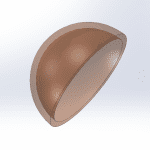
Effective dome design is essential for reducing optical distortion and preserving image quality. Key design factors include:
- Material Selection: Ensure both optical and mechanical performance (refractive index, dispersion, strength).
- Curvature: Influences field of view (FOV), distortion, and clarity. Must align with application requirements.
- Optical Coatings: Anti-reflective coatings improve transmission and reduce glare.
- Environmental Resistance: Domes must handle pressure, temperature extremes, and abrasion, especially in aerospace or underwater use.
- Mounting & Sealing: Secure sealing prevents contamination and maintains system integrity.
Advantages of Optical Domes vs. Flat Windows
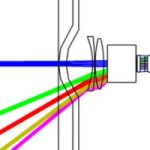
- Wider Field of View: Domes allow sensors to detect signals from multiple angles without distortion.
- Reduced Chromatic Aberration: Especially at wide angles, domes outperform flat windows in color accuracy.
- Lower Optical Aberration Underwater: Better refraction handling compared to thick flat windows.
- Superior Pressure Resistance: Domes naturally distribute pressure, allowing thinner construction with better optical performance.
Key Applications
- Wide-View Cameras & Sensors: Protects optics, reduces reflections, improves performance across angles.
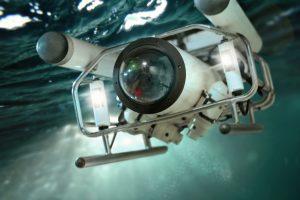
- Underwater Imaging: Smooth refractive transitions between water and air maintain clarity.
- Aerospace & Defense: Essential for aircraft, drones, and missiles in targeting and reconnaissance.
- Scientific Instruments: Supports telescopes, spectrographs, and environmental monitoring.
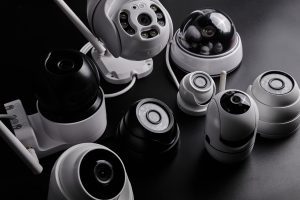
- Security & Surveillance: Shields optics in outdoor and high-risk environments


Additional Benefits Based on Substrate Choice
At Avantier, we help you choose the best substrate for your needs:
- Glass Domes: Excellent durability, scratch and chemical resistance, thermal stability, and easy maintenance. Cost-effective for many applications.
- Acrylic Domes: Lightweight and impact-resistant. Lower scratch resistance than glass but more affordable and mechanically stable.
Optional Enhancements:
All dome types can be enhanced with anti-reflective or protective coatings for added performance.
Custom Optical Domes
At Avantier, we specialize in creating custom optical dome solutions tailored to meet our customer’s specific requirements. Instead of offering a static list of catalog options, we collaborate closely with our clients to understand their applications and recommend suitable substrates, coatings, and geometric designs for optimal performance.
Experience the reliability and high quality of Avantier’s custom optical dome solutions for your next optical system project.
FAQs
1. How do I choose the best material for my optical dome application?
The best optical dome material depends on the operating wavelength, environmental conditions, mechanical requirements, and optical performance specifications. Common material options include:
- Fused Silica: Suitable for UV and visible imaging applications requiring high optical transmission, thermal stability, and chemical resistance.
- Sapphire: Ideal for demanding environments where hardness, abrasion resistance, and mechanical durability are critical.
- Germanium: Commonly used for long-wave infrared (LWIR) imaging systems, particularly in the 8–12 µm range.
- Zinc Selenide (ZnSe): Suitable for infrared applications requiring transmission across a broad IR wavelength range.
- Magnesium Fluoride (MgF₂): A material option for mid-wave infrared (MWIR) applications requiring optical transmission, thermal stability, and environmental resistance.
Material selection should also account for dome geometry, coating requirements, and operating conditions. Avantier can help evaluate suitable materials based on your optical and mechanical specifications.
2. What is the difference between optical domes and flat optical windows?
Optical domes are often selected for systems requiring wide-angle viewing, protection of optical sensors, or resistance to external pressure.
Compared with flat optical windows, domes can provide several advantages:
- Wide Field of View: A properly designed dome can support wide-angle imaging with reduced off-axis refraction under suitable optical conditions.
- Underwater Imaging: Dome ports can help preserve the field of view of wide-angle camera lenses when appropriately matched to the optical system.
- Mechanical Performance: Curved geometries can distribute external pressure efficiently, depending on the dome’s dimensions, material, and mounting design.
Actual optical performance, including aberrations and image distortion, depends on dome geometry, material properties, and sensor positioning.
3. What manufacturing tolerances and optical quality can I expect from Avantier optical domes?
Avantier offers custom optical domes with manufacturing capabilities that may include:
- Diameter: 2–500 mm
- Dimensional Tolerance: ±0.1 mm
- Surface Accuracy: Up to λ/10
- Surface Quality: 20-10 to 60-40 scratch-dig
- Clear Aperture: ≥90%
- Optical Coatings: Custom AR coatings for applications spanning visible to long-wave infrared wavelengths
These are general manufacturing capabilities rather than guaranteed specifications for every material or dome geometry. Achievable tolerances and optical performance depend on material selection, dimensions, wall thickness, and design complexity.
For application-specific requirements, submit your optical specifications or drawings for engineering review.
4. Can Avantier provide custom mounts or housings for optical domes?
Yes. Avantier offers custom mounting solutions and mechanical interfaces designed to support integration of optical domes into optical assemblies.
Mounting considerations may include mechanical alignment, thermal expansion, environmental sealing, and compatibility with existing housings. Requirements can be reviewed based on the operating environment and system design.
Request a Quote to discuss your optical dome material, dimensions, mounting requirements, and performance specifications.





WE CAN HELP YOU!
Contact us NOW for sales & expert advice.